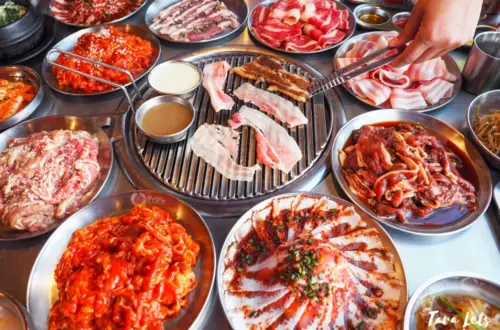
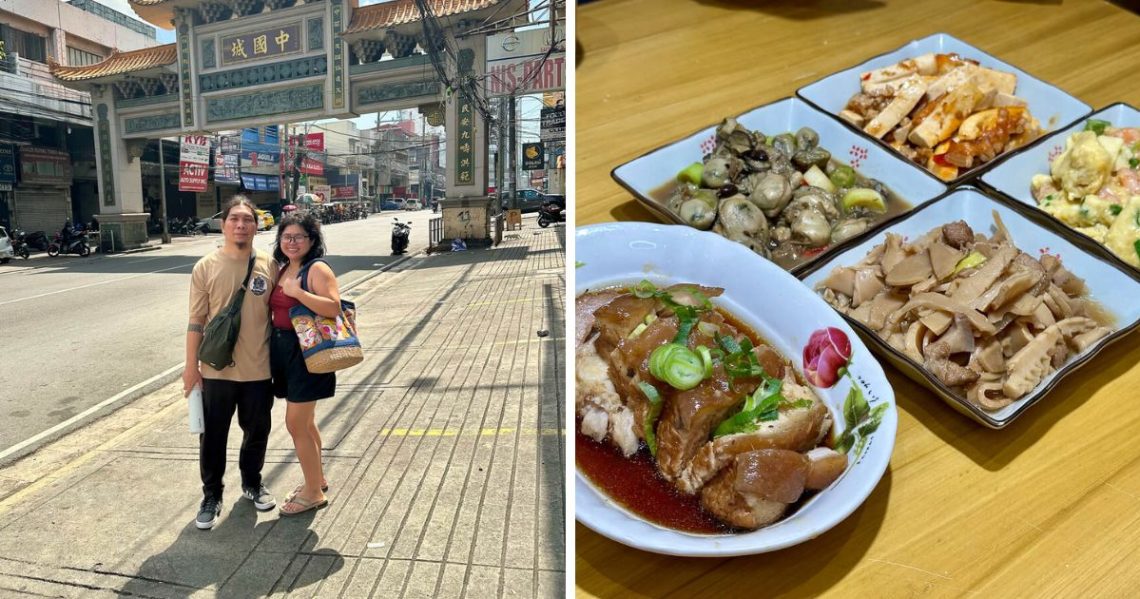
Banawe Food Trip Guide: Best Restaurants to Try (Including Michelin-Recognized Spots!)
If you’re a foodie living in or visiting Metro Manila, Banawe Street in Quezon City deserves a top spot in your must-visit list. Often called QC’s own Chinatown, this bustling strip is packed with Chinese, Taiwanese, Singaporean, Filipino, and fusion restaurants, many of which have been neighborhood favorite for decades.
And in 2025, two restaurants in the area earned recognition in the inaugural Michelin Guide Philippines 2026, placing this unassuming street on the global culinary map.
We went on a Banawe food crawl twice so we can put together this guide. We’ve included restaurants we’ve personally visited, as well as other highly rated eats in the area.
What you need to know about Banawe
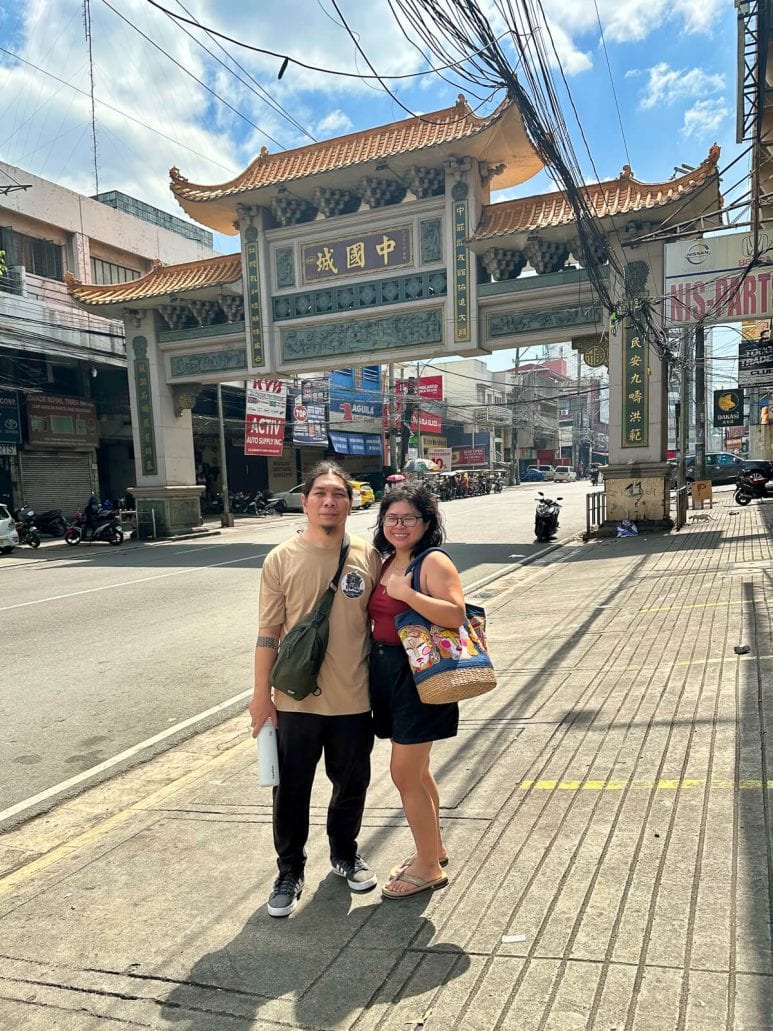
Not many people know this, but there is actually another Chinatown in the Philippines—Banawe. After the World War II, many parts of Manila were in ruins. Binondo residents then relocated to other nearby municipalities, with many settling in Quezon City.
Soon, Chinese-owned shops and restaurants became mainstays in Binondo. With numerous car and hardware shops in the 1960s, Banawe even became known as the “Auto Capital of the Philippines.” Nowadays, it has also become a foodie destination, as well as an alternative to Binondo during the annual Chinese New Year celebrations.
Here are some practical things you need to know when doing a Banawe food crawl:
- Unlike other food trip destinations like Binondo or Quiapo, most of the spots here require a proper sit-down with full meals. So realistically, you’ll probably visit 3 restaurants at best.
- Parking is a challenge because a lot of restaurants have limited parking slots. We parked at Sto. Domingo Church and then just walked to the restaurants. The church shares a parking space with Café Inggo 1587, which is also included in this guide.
Best Restaurants in Banawe
Banawe Street hides a remarkable concentration of eateries ranging from hole-in-the-wall carinderias to full-service restaurants serving everything from dim sum and hotpot to modern Filipino cuisine.
Café Inggo 1587
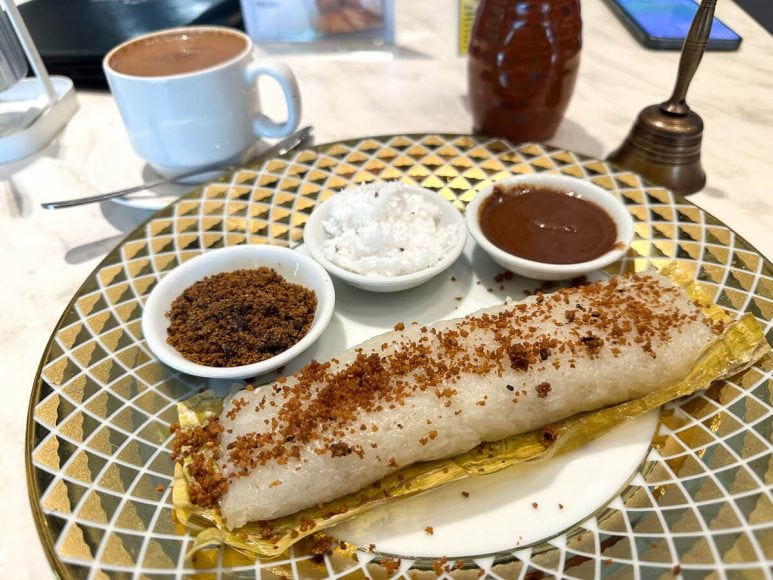
An atmospheric café in the Banawe area, Café Inggo 1587 is situated within the grounds of Sto. Domingo Church, offering Filipino and Spanish cuisine alongside breakfast options, desserts, and coffee. The interiors are accentuated by church relics, art pieces, and century-old books, with the cafe’s name being a tribute to St. Dominic de Guzman (“Inggo”).
This is a good place to start your Banawe food crawl since it has a vast parking area and it offers light snacks, such as bibingka with salted egg and cheese, suman with various dips (muscovado, coconut, and tsokolate e), and palitaw with Guimaras ripe mangoes. They also have coffee and hot tsokolate.
The prices are a bit expensive for the portion, but quality-wise, food and drinks are good, and we love the café ambiance.
Ma Mon Luk
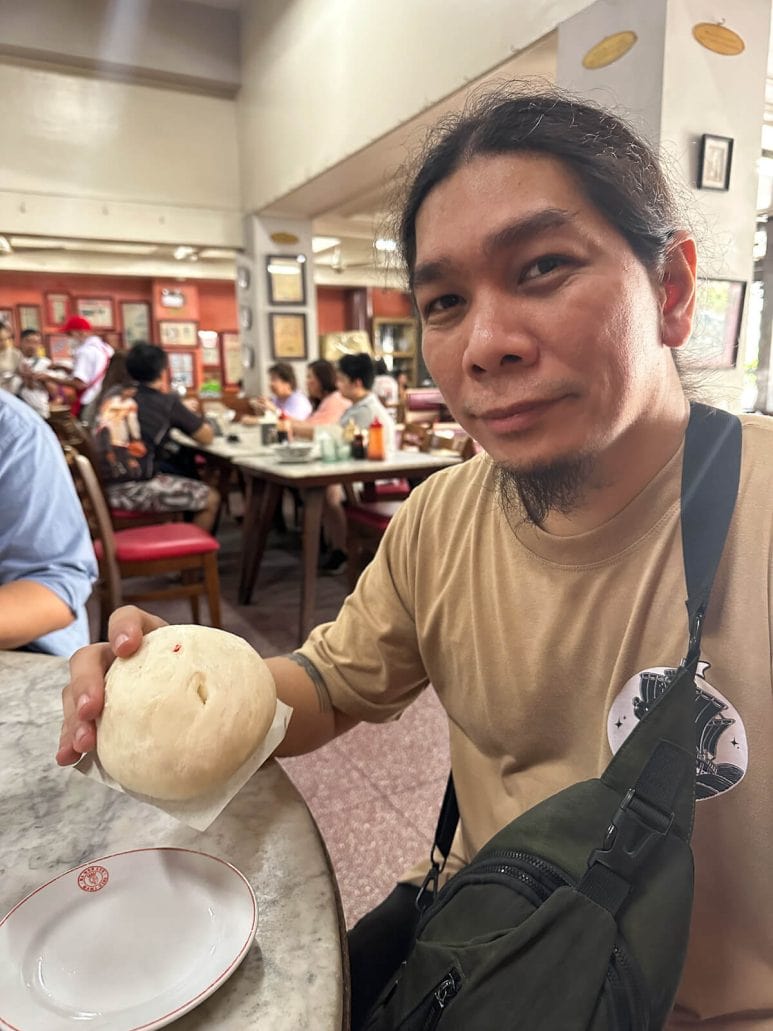
The name Ma Mon Luk is probably familiar with a lot of you. It was named after its founder (Ma Wen-Lu, aka Ma Mon Luk), a grade school teacher from Guangzhou, China, who migrated to the Philippines in 1920 and began selling noodle soup by peddling it on bamboo poles through the streets of Manila. It is believed that Ma Mon Luk invented the noodle soup Filipinos now know as mami.
While its first branch in Binondo is already closed, you can still visit the one in Banawe. Opened in 1950, it is considered the oldest restaurant in the area.
The restaurant is casual and open aired, so don’t expect much. They have a simple menu, and it’s recommend to order the classic chicken mami, special asado siopao, and a side of siomai. We tried their special siopao and bola-bola siopao, and they were decent—at least better than air-filled siopao buns you get from convenience stores.
Fong Wei Wu
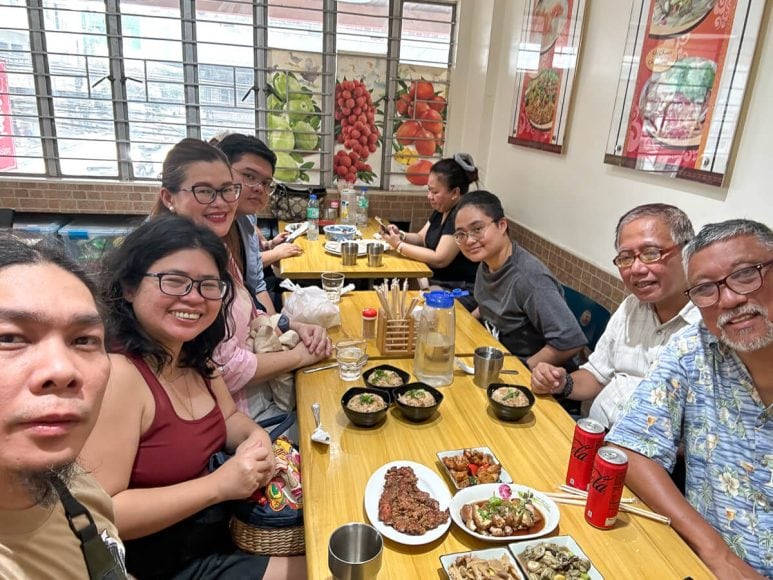
This is one of the two Michelin-starred restaurants in the area and a definite must-try.
A cozy, family-run spot, it is managed by a Taiwanese female chef named Linda, who has been cooking here for over two decades. She imports many of her key ingredients, including soy sauce, sesame sauce, vinegar, doubanjiang, and fried shallots, directly from Taiwan to maintain authentic flavors.
They have a short order menu and a classic turo-turo setup where you walk up to a glass counter and point at whatever looks good that day. It has a daily-changing spread of 15 to 20 dishes.
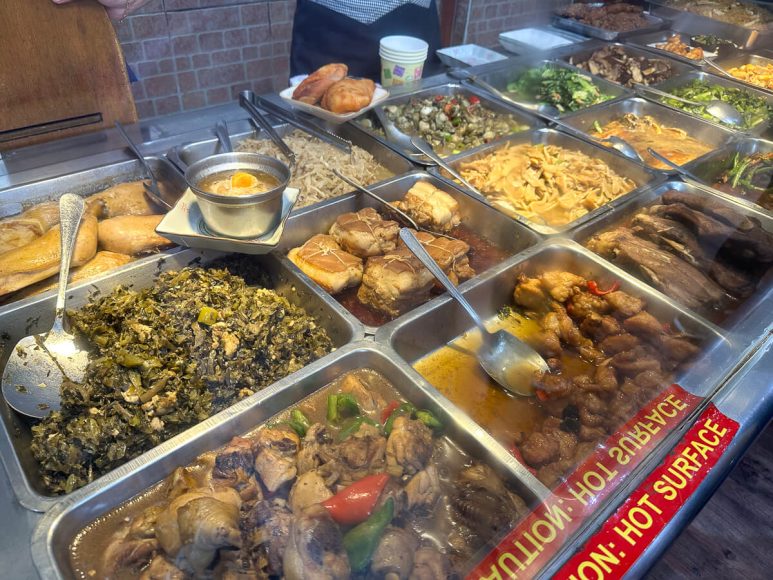
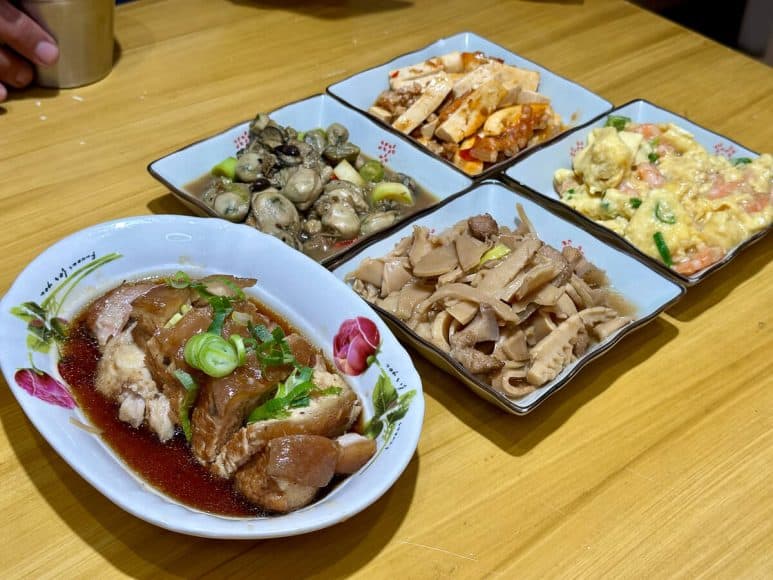
We loved everything we ordered here, especially the kiampong rice, hong ma (braised pork belly), and a bunch of other dishes I didn’t get the name of. It is a bit expensive, since we were already a big group and still had to shell out around P400 each for the shared dishes. But the food quality is superb. On the other hand, service needs to be greatly improved.
Again, this two-story restaurant is cramped, so it is best for couples and small groups. If you’re in a large group, you might have to wait to be seated.
Eat Fresh Hongkong Famous Street Food
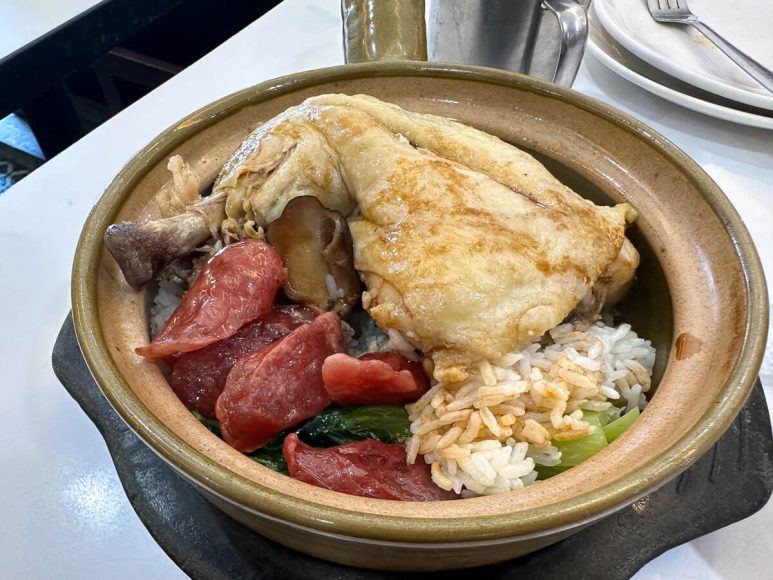
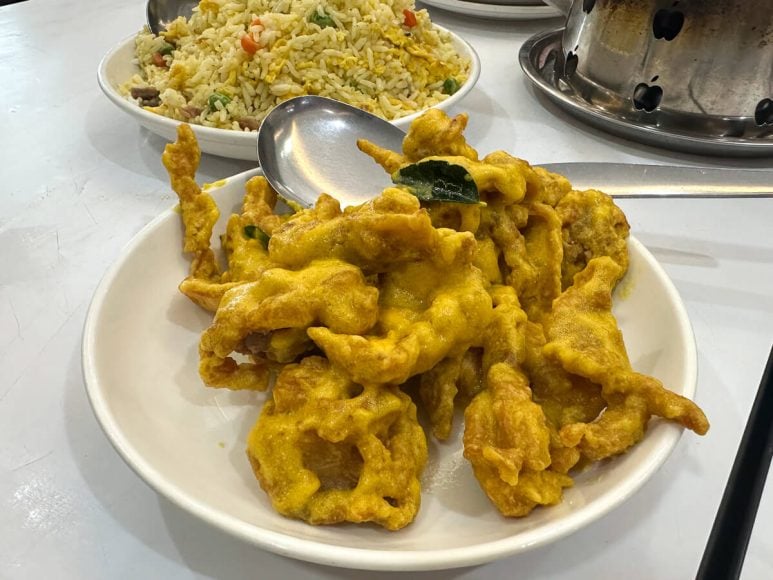
This Cantonese restaurant offers a foodie experience straight out of the bustling streets of Hong Kong. With a no-fuss interior, this spot has a menu that spans dimsum, claypots, soups, sticks, and short orders. The turo-turo grill station out front lets you pick your choice of skewer.
We were not able to visit this branch, but we frequent their branch in BF Homes. Some of our favorites include their laksa, beef curry and chicken claypot rice, and salted egg chicken. Their hot milk tea is also pretty good. And just as important, their prices are actually reasonable.
So if you’re in Banawe and want to visit restaurants that offer the most bang for your buck, this should be one of your top choices.
Bugis Singapore Street Food
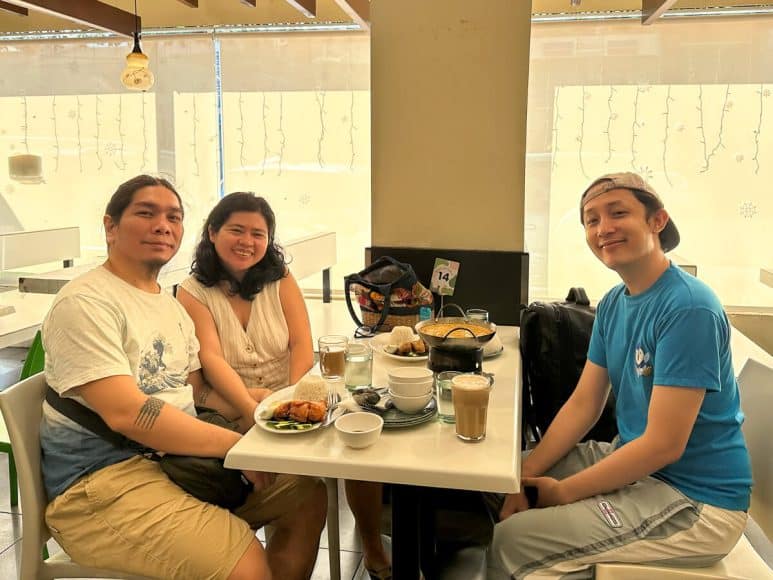
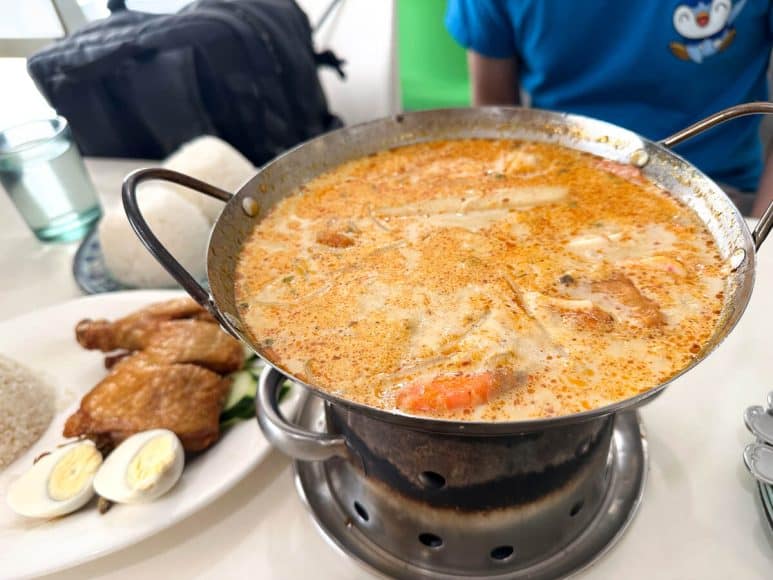
Bugis is a Singaporean street food institution in Banawe, best known for its Singaporean laksa—a rich, coconut-based noodle soup served on a chafing plate with a flame underneath it to keep it hot throughout your meal. Other bestsellers include nasi goreng, Hainanese chicken rice, beef rendang, and salted egg spare ribs.
I find Bugis pretty similar to Eat Fresh, though I prefer Eat Fresh a tiny bit. Their laksa tastes mostly the same. We also tried the nasi lemak and xiao long bao, which were decent. The teh tarik lacks sweetness.
Note: There are actually two branches of Bugis restaurant in the area: Bugis Singapore Street Food and the smaller Bugis Chomp Chomp. These are popular, so best to come on a weekday or during off-peak hours to avoid the wait.
Moon Hey Hotpot and Grill
One of the most fun dining experiences on Banawe Street, Moon Hey is the only one with a rotating conveyor belt used to serve food. Here you can opt for hotpot only, grill only, or both.
Choose from four soup bases—mala, tomato, suan la, and plain—then build your own spread from the wide selection of meats, vegetables, and seafood. The meal also comes with unlimited fruits, drinks, and ice cream for dessert.
This hotpot restaurant spans two floors and includes smaller function rooms for private gatherings. Reservations are highly recommended on weekends.
Cai Hok Seafood Restaurant
One of Banawe’s most celebrated institutions for authentic Chinese seafood. The menu features a range of options including assorted seafood soup, braised abalone with oyster sauce, fresh squid with salt and pepper, King Crab, and steamed live lapu-lapu. They also serve dimsum, suckling pig, and peking duck.
A reliable go-to for indulgent banquet-style dining, this Chinese restaurant is a solid choice for groups.
ShaoKao BBQ
The name says it all—shaokao is the Chinese word for barbecue. Their Chinese street-style barbecue selection includes pork belly, chicken, lamb, squid, duck intestine, chicken soft bone, beef enoki, Taiwan sausage, fish tofu, various vegetables, and more. The skewers lean spicy, so go easy on the seasoning if you have a low heat tolerance.
Aside from skewers, they also have satay noodles, mala tang, and garlic eggplant.
ShaoKao BBQ opens in the late afternoon and closes late, so you can make it one of the later stops in your Banawe food crawl.
Muy Hong
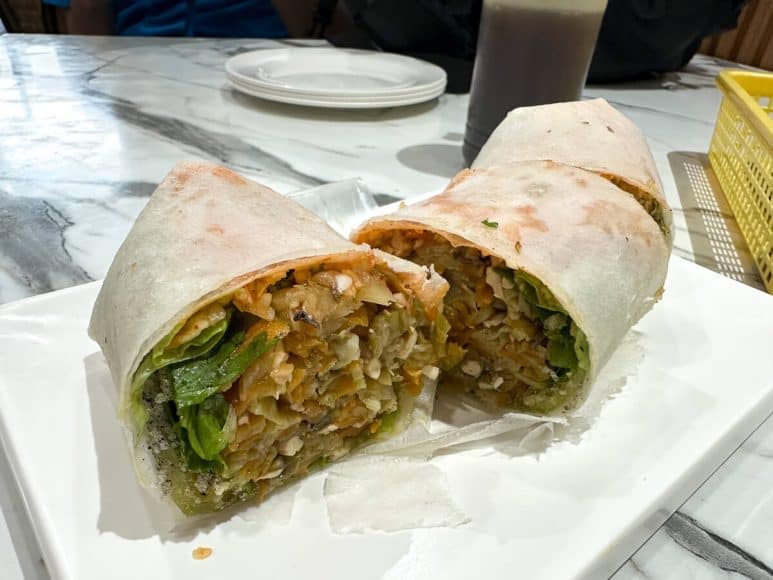
A decades-long staple in Banawe, this cozy restaurant is known for their signature Fresh Amoy Lumpia, which many considers to be one of the best in Metro Manila. They also serve other Chinese comfort food such as okiam chicken, satay bihon, and chamisua.
We came here to try their fresh lumpia. I personally prefer the fresh lumpia in Binondo because Muy Hong’s signature fresh lumpia has wansoy, which I find overpowering.
Nine Fresh
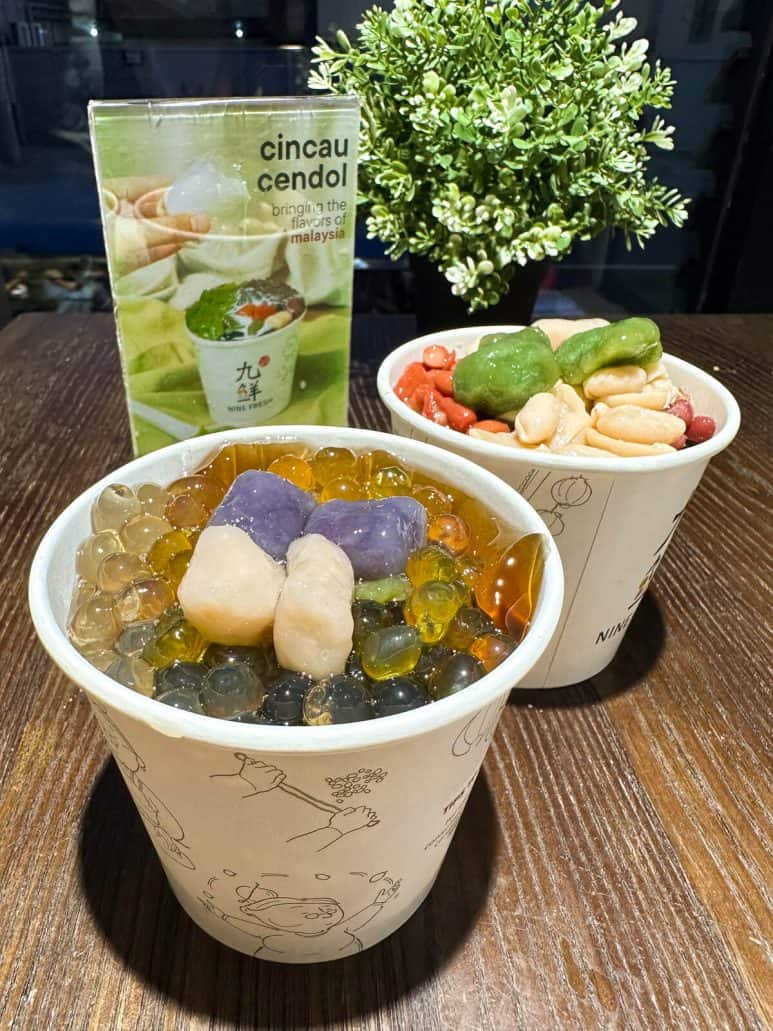
The perfect sweet ending to a Banawe food crawl.
I’m aware that Nine Fresh is a recent franchise, but I find Banawe Street lacking in the dessert department. (If you have a recommendation, please let me know.) We chose Nine Fresh as this is one of their favorite places for Taiwanese milk tea and halo-halo, which a menu that spans bean curd and grass jelly combinations, aiyu jelly, and taro balls.
It is located inside Z Square Mall along with Cai Hok, so it is easy to combine into one stop.
Other nearby spots
When we talk about doing a Banawe food crawl, neighboring areas are usually covered as well. Esmeralda Kitchen, one of the two Michelin-starred restaurants in the area, is located in Sta. Mesa Heights neighborhood, just next to Banawe Street.
Jonas Pares House
Located near Banawe, this restaurant is widely accredited with inventing the Filipino comfort meal we now call pares. Jonas started as a small carinderia in 1979, founded by a husband-and-wife team, with a vision of serving fine-dining-quality food at prices accessible to the masses.
Aside from beef pares, they also offer a range of Filipino dishes. Frozen and take-out meals are also available.
Esmeralda Kitchen
Just a few minutes away from Banawe sits Esmeralda Kitchen, another Michelin-starred restaurant.
What makes Esmeralda Kitchen special is its approach to Filipino cuisine. They take beloved Filipino classics and present them with a refined, eye-catching twist. According to the Michelin Guide, “the menu revisits Filipino classics in refined, eye-catching ways,” with dishes that are “rich and hearty, with flexible portions for solo diners or groups.”
Recommended dishes included pork dinuguan with puto, kare-kare, chicken inasal, aligue spaghetti, ilocandia torta, and more. Desserts and a bakery selection are also available.
Las Casas Filipinas de Acuzar—Quezon City
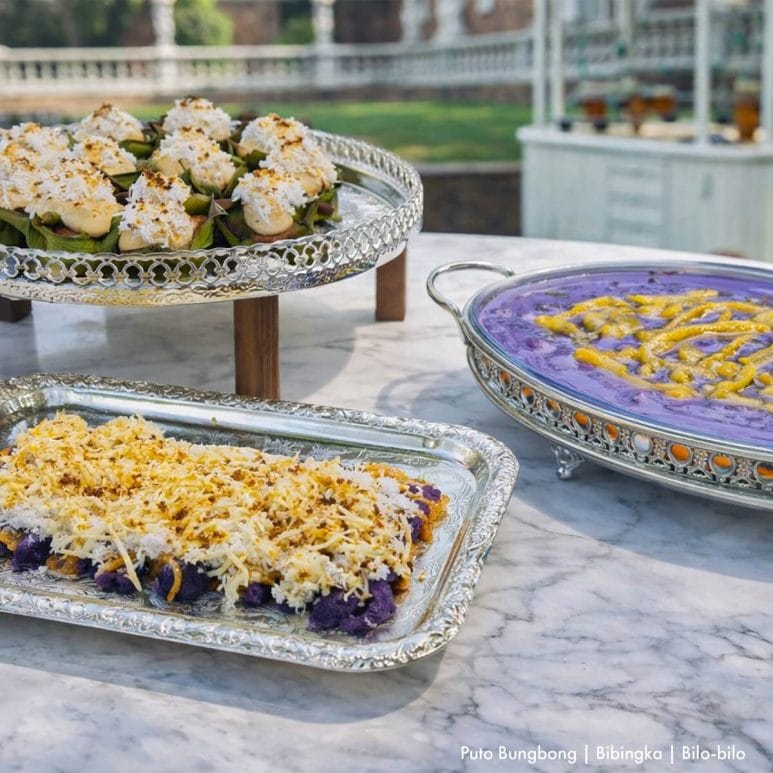
Walk off all that calories by exploring Las Casas Filipinas de Acuzar in Quezon City, which features a Spanish courtyard, a chapel, and other spaces.
Aside from sightseeing and picture taking, every Saturday they also offer afternoon tea from 3PM to 6PM where you can enjoy unlimited merienda of your choice—usually rice cakes like bibingka or puto bumbong, bilo-bilo, and other savory bites, plus a glass of freshly made gulaman.
Reservations are recommended, especially on weekends. Walk-ins may be turned away during peak hours.
Practical Tips for Your Banawe Food Trip
- Getting there: Banawe Street is accessible via commute and ride-hailing services.
- Parking: Street parking is available but limited. Some restaurants have dedicated spots; check before you go. We recommend just finding a good spot like the Sto. Domingo Church. From there, walk one block to get to Banawe Street. Note that parking in Sto. Domingo closes early at night.
- Best time to visit: Weekday lunches are generally less crowded. If visiting on weekends, arrive early.
- Budget: I wouldn’t say that this is the most budget-friendly food trip destination. For a multi-stop crawl, ₱1000+ per person is a reasonable budget.
- Payment: Many smaller establishments are cash-only. Bring enough bills to cover your meals.
A Banawe food trip can certainly be done DIY. If you’re looking for a food trip with lots of historical discussion, we recommend booking a tour with Sir JP of Manilakad.
Whether you’re hunting for the best dimsum, craving authentic Chinese comfort food, or looking for a hidden gem to add to your food crawl, we hope that this Banawe food trip guide has you covered.

Katherine Cortes is a work-from-home freelancer. She likes beaches, snorkeling trips, and relaxing staycations (preferably with bath tubs). When not on the road, she stays at home with five cats.


You May Also Like
Cafe Eight Buffet: High-End Dining in Crimson Hotel
Century Tsukiji: Japanese Buffet at Century Park Hotel