Trulli Villages and Mount Etna: The Charm of Puglia and Sicily
Some places don’t announce their character immediately. They wait. They ask you to spend time in them before they begin to make sense. Puglia and Sicily work this way. Their landscapes are distinctive, but it’s the rhythm beneath them — the pace of villages, the weight of land, the way people live alongside history — that gives them depth.
Seen together, trulli villages and Mount Etna feel less like contrasts and more like variations on a shared theme: adaptation. One is shaped by patient, domestic repetition. The other by constant geological change. Both endure because life has learned how to exist beside them.
Contents
- Puglia’s Villages Built for Continuity
- Trulli as Everyday Spaces
- A Landscape That Encourages Slowness
- Sicily Arrives With a Different Energy
- Mount Etna as a Living Presence
- Living With Instability
- Two Landscapes, One Instinct
- How Place Shapes Daily Life
- Memory That Forms Through Use
- Charm Without Performance
- What Remains After You Leave
Puglia’s Villages Built for Continuity
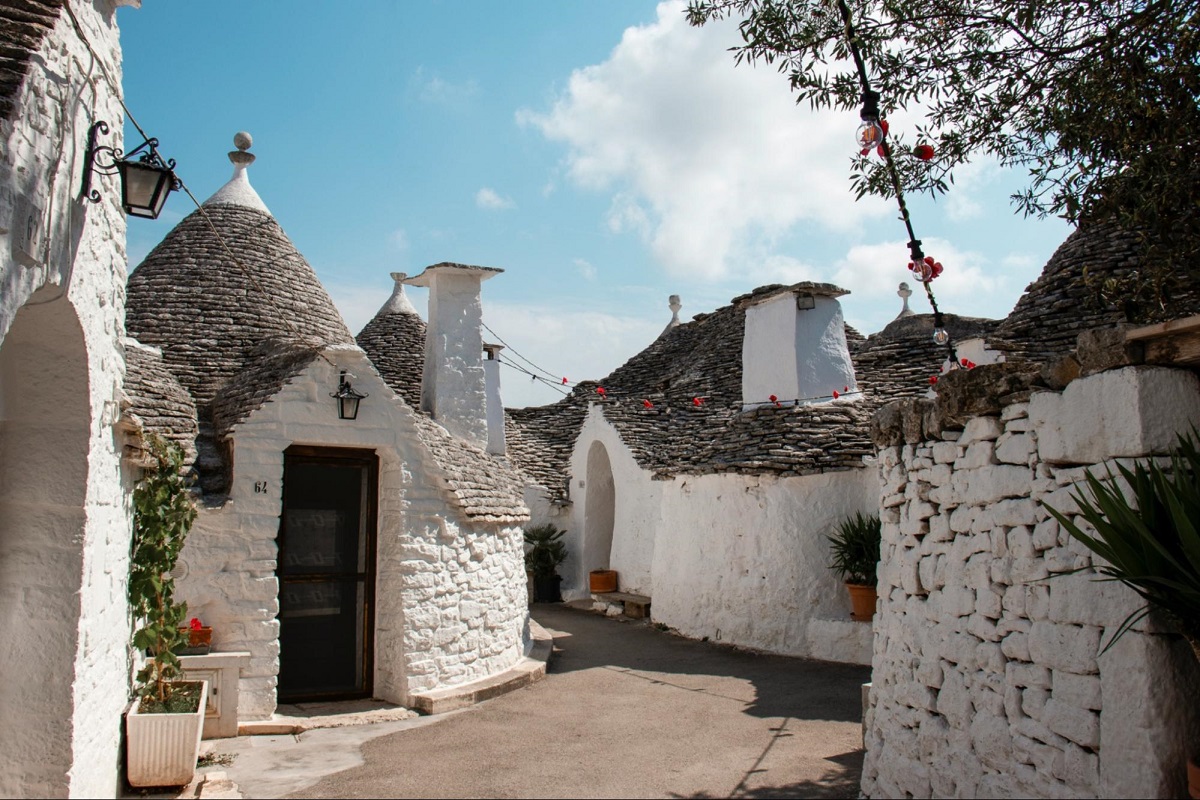
In southern Italy, architecture often reflects necessity before expression. Trulli villages are a clear example of this. Their dry-stone construction, conical roofs, and compact scale were practical solutions long before they became visual icons.
Walking through parts of Puglia, you sense how little separation exists between past and present. Homes remain homes. Streets are narrow because they always were. Nothing feels staged.
This is architecture that survived by being useful.
Trulli as Everyday Spaces
The trulli do not feel monumental. Their charm lies in repetition rather than uniqueness. One follows another. Roofs echo each other. The village unfolds gradually.
What stands out is how naturally life continues around them. Laundry hangs where it needs to. Doors open directly onto the street. There is no sense that these structures exist for observation.
This everyday quality is often what draws people to tours to Puglia — not spectacle, but familiarity that feels earned.
A Landscape That Encourages Slowness
Puglia’s countryside reinforces this pace. Olive groves stretch outward without urgency. Roads invite detours. Villages appear without announcement.
Movement here feels optional rather than directed. You walk because the street continues, not because something awaits at the end.
Time expands gently, without asking to be noticed.
Sicily Arrives With a Different Energy
Crossing to Sicily introduces a shift that is felt before it is seen. The air changes. The ground feels more present. The landscape carries a sense of motion even when still.
In Sicily, history does not sit quietly. It layers itself visibly — Greek, Roman, Arab, Norman — without resolving into a single narrative. Many visitors drawn to the region through best Sicily tours are surprised by this calm coexistence.
Everything feels provisional, as if shaped by forces still at work.
Mount Etna as a Living Presence
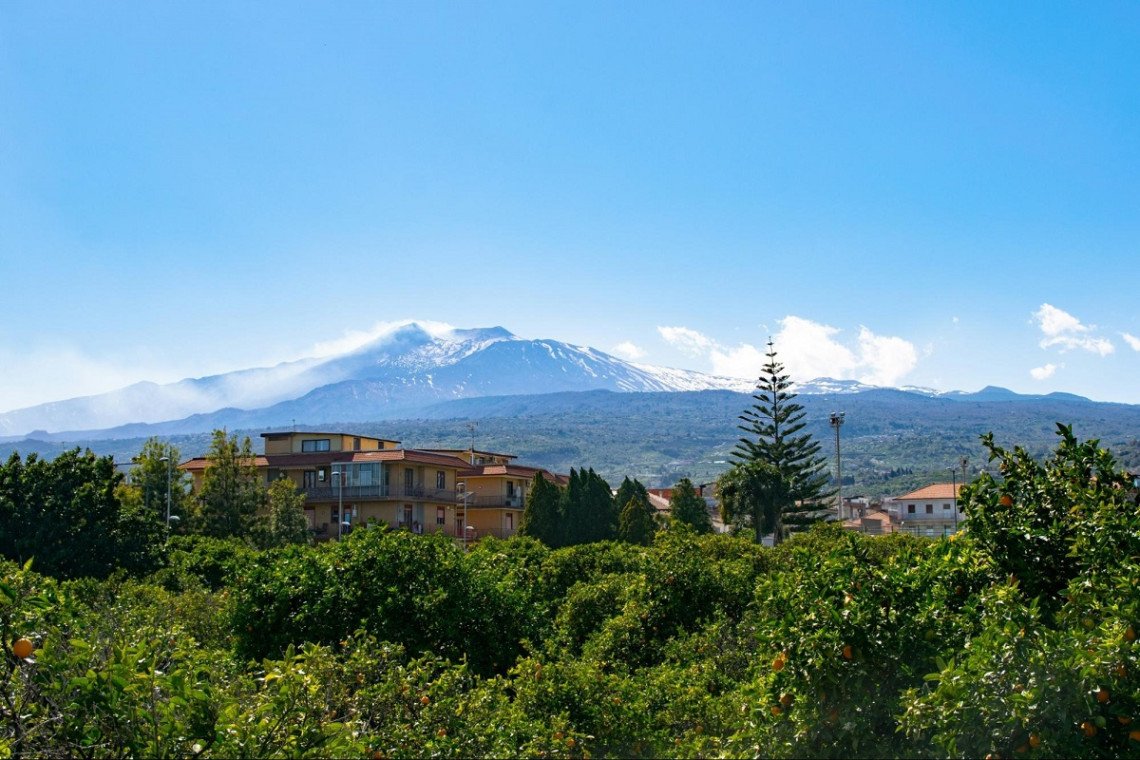
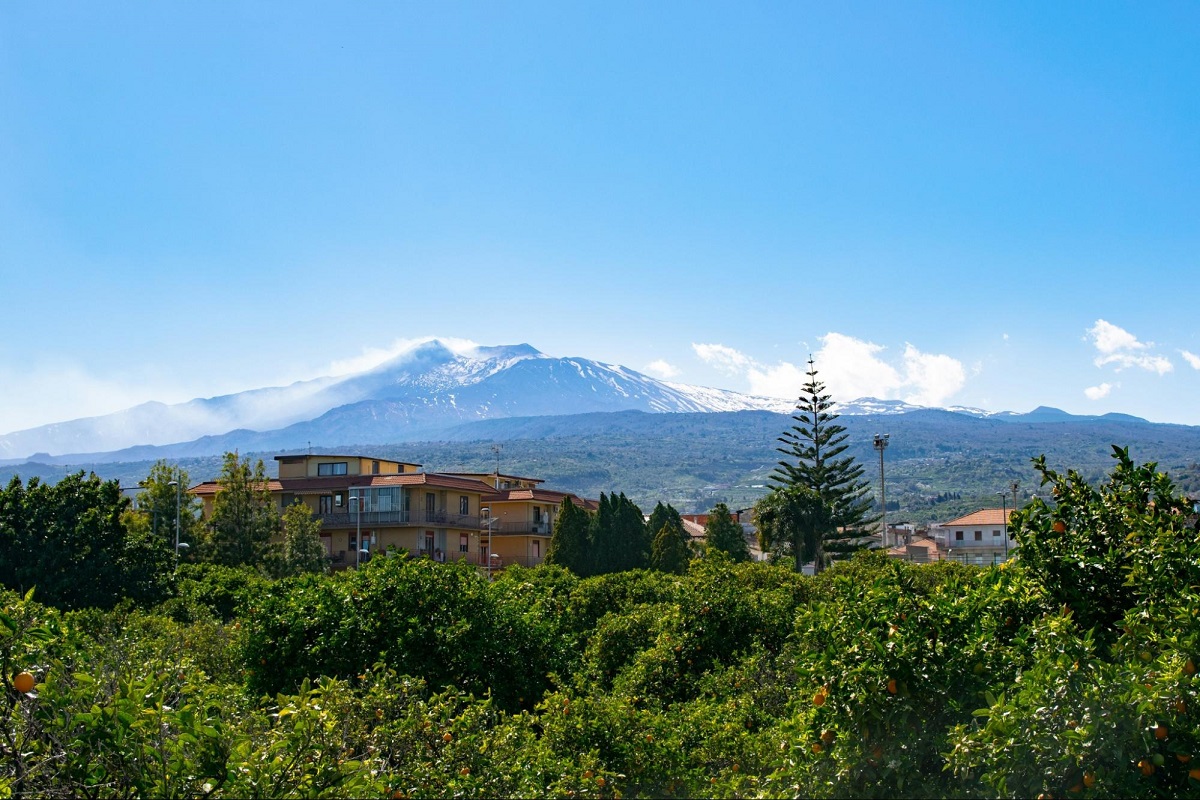
Mount Etna does not dominate Sicily so much as define its awareness. It is visible from many places, but never fully predictable.
At Mount Etna, scale is felt through proximity rather than height. The land bears marks of previous eruptions. Fields adapt. Towns rebuild.
The volcano is not a backdrop. It is an active participant in daily life.
Living With Instability
What makes Etna compelling is not drama, but familiarity. People live beside it without constant alarm. Eruptions are understood as part of the land’s rhythm rather than interruptions.
This acceptance shapes behaviour. Architecture adapts. Agriculture responds. Life continues with awareness rather than avoidance.
Two Landscapes, One Instinct
At first glance, trulli villages and Mount Etna seem unrelated. One is intimate and human-scaled. The other vast and untamed. Yet both reflect a shared instinct: adaptation over control.
In Puglia, people built structures that worked with available materials. In Sicily, communities learned to read the land and respond to it.
Neither place seeks dominance. Both prioritise endurance.
How Place Shapes Daily Life
In trulli villages, daily life unfolds outward. Conversations happen in doorways. Streets function as extensions of home. Architecture encourages closeness.
Near Etna, daily life is shaped by awareness. People look up often. Land is read carefully. Change is anticipated rather than resisted.
Different conditions, similar attentiveness.
Memory That Forms Through Use
What lingers from both regions is not a single image. It is a way of moving. A slower step in Puglia. A heightened awareness in Sicily.
These impressions are not dramatic. They settle quietly. You remember how it felt to walk through a village where nothing rushed you. You remember standing near land that reminded you it was alive.
Neither experience demands explanation.
Charm Without Performance
The charm of Puglia and Sicily does not come from presentation. It comes from continuity. From places that remain lived in rather than curated.
Trulli villages endure because people never stopped using them. Mount Etna endures because life adapted around it.
Both remind you that place does not need to impress to matter.
What Remains After You Leave
Later, what returns is not a photograph of a roof or a volcano. It is the feeling of scale — smallness in one place, alertness in another.
You remember spaces that did not hurry you, and landscapes that asked you to pay attention.
Puglia and Sicily do not offer conclusions. They offer presence. And that presence, once felt, stays quietly with you long after the journey ends.
This article is written by a contributor to the site.

You May Also Like

One Day in Barcelona: A Quick Tour of the Catalan Capital
One Day in Berlin: The Perfect 24-Hour Itinerary