
Why the Future of Food Is Local, Flexible, and Very Filipino
Food and travel have always gone together, but these days they’re basically the same trip. Marriott International’s annual white paper on the culinary industry, Future of Food Asia Pacific 2027, looks at food and beverage trends across Asia Pacific (excluding China).
For the first time, its launch was held in the Philippines, at The GreatRoom of Manila Marriott Hotel at Newport World Resorts, where I was invited along with other media attendees. Here are the highlights.
Dining Is Moving Out of the Restaurant
Hotel Manager Mo Ali opened the afternoon by saying the goal was to understand the study’s findings and use them to make the hotel’s food even better:
“Marriott International’s mission has always been to elevate the dining and hospitality scene in the country; hence, we aimed to understand the study’s key findings and how relevant it is to make our culinary offerings even more exceptional.”
The first big shift is that restaurants aren’t the only places to eat anymore. Chef Meik Brammer, Director of Culinary at Manila Marriott, explained:
“Food is no longer contained in restaurant-type layouts. It’s now found in bars, lounges, in-room and poolside venues, and other hotel spaces. This change defines how and where guests connect with food.”
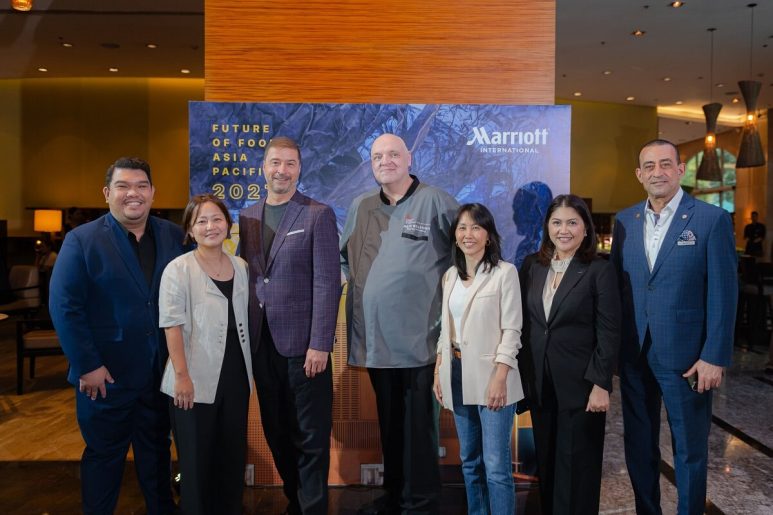
About 45% of Marriott’s properties are making room for this, and guests also want to know how their food is sourced, when it’s served, and what technology is behind the scenes.
Petr Raba, Vice President of Food & Beverage for Marriott International across Asia Pacific (excluding China), added a fun idea he calls the “micro-concept within the concept.” One venue can turn into a smaller, more exclusive restaurant with limited seating. Ambient lighting, sound, and even AI can shift a high-energy space into something more intimate.
The hotel’s own example is Selva Shrimp House. The GreatRoom’s al fresco dining area has been converted into a sustainable concept in partnership with BlueYou Company, a seafood brand that builds sustainable and restorative supply chains across Southeast Asia. It also works as an interactive space for learning about responsible seafood sourcing.
Local Is What Travelers Want
Even with all the fancy settings, the food itself still matters most, and travelers want what’s local. 95% of participating properties named native signature dishes as the top trend in their markets. Raba put it this way:
“We are noting a significant increase in demand for regional cuisine because travelers tend to resonate more with moments unique to their destinations.”
Local dishes are requested three times more than Asian and Western cuisine. Hotels are responding by working local culture into their sourcing, design, and storytelling.
Guests are also eating healthier:
- 43% value more nutritious options
- 40% prefer sugar-free foods
- 97% of participating properties now serve dishes with wellness-linked ingredients like turmeric, ginger, black sesame, and matcha
Sinagtala: Filipino Food Takes the Spotlight
The study’s takeaway for the Philippines is that the future of food is Filipino. That’s where the Sinagtala Philippine Culinary Arts Program comes in. It’s tied to the Sinagtala Philippine Culinary Arts Cup, a Marriott International competition meant to elevate and preserve core Filipino recipes.
Chef Meik also presented the Sinagtala Recipe Book, which collects winning entries and key dishes from top Filipino chefs:
- Clark Marriott Hotel: Pork Adobo
- The Westin Manila: Vegetable Kare-Kare and Sisig
- Manila Marriott Hotel at Newport World Resorts: Sinigang na Hipon and Chicken Inasal
Want to Taste It? Try the Buffet
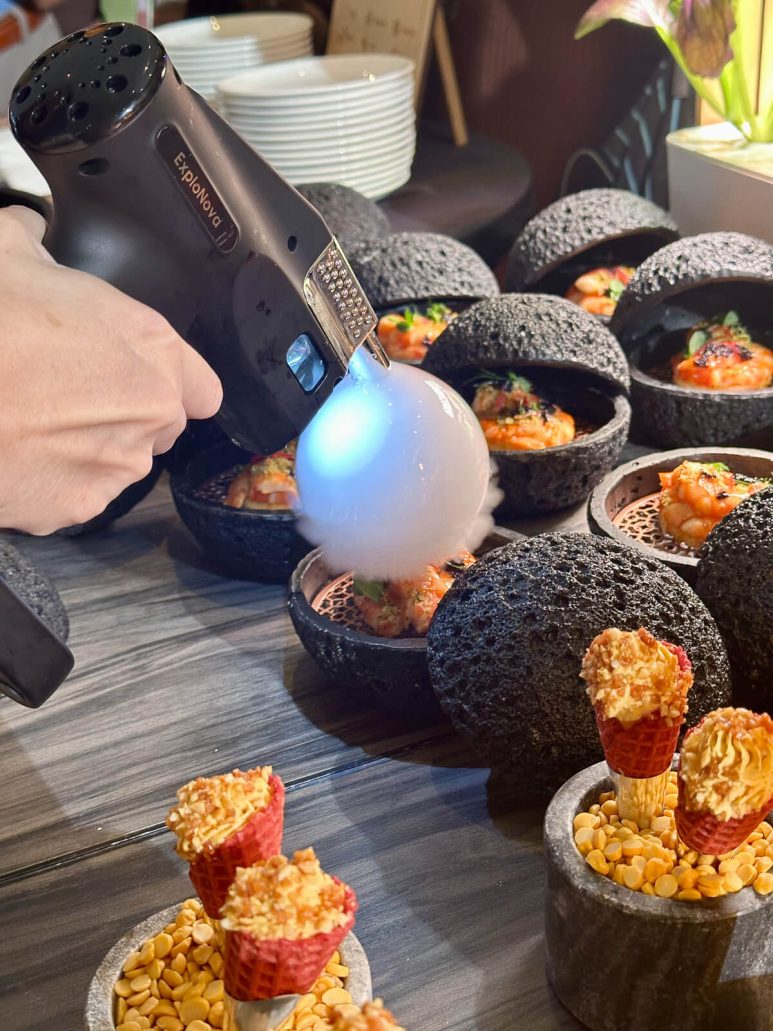
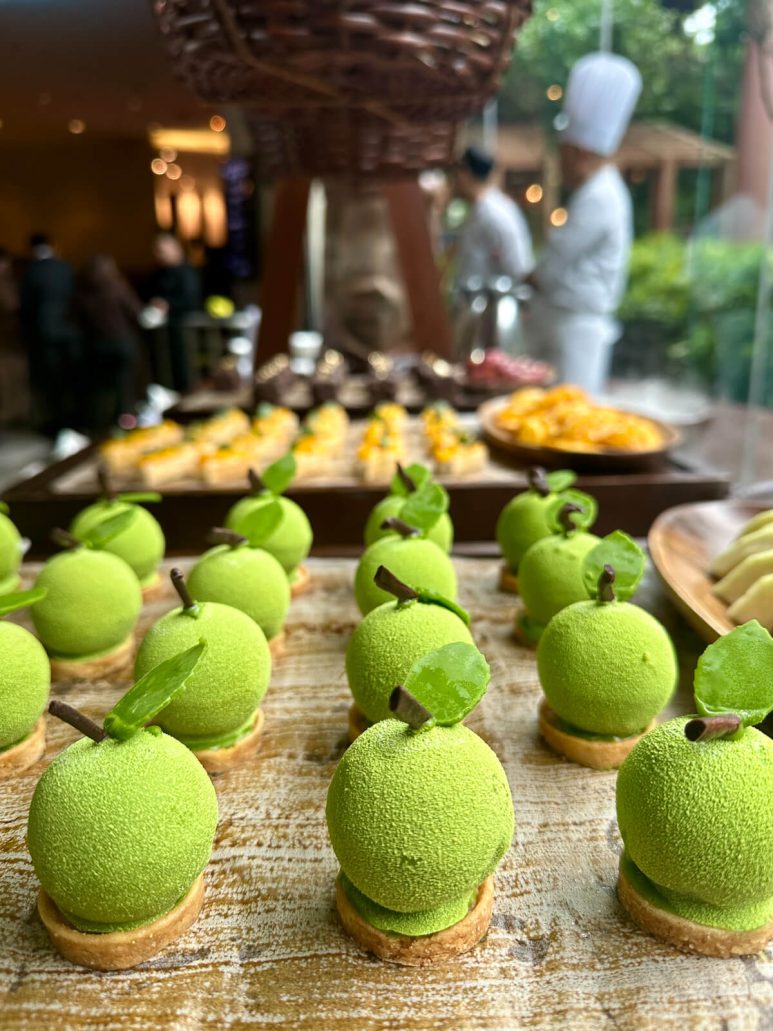
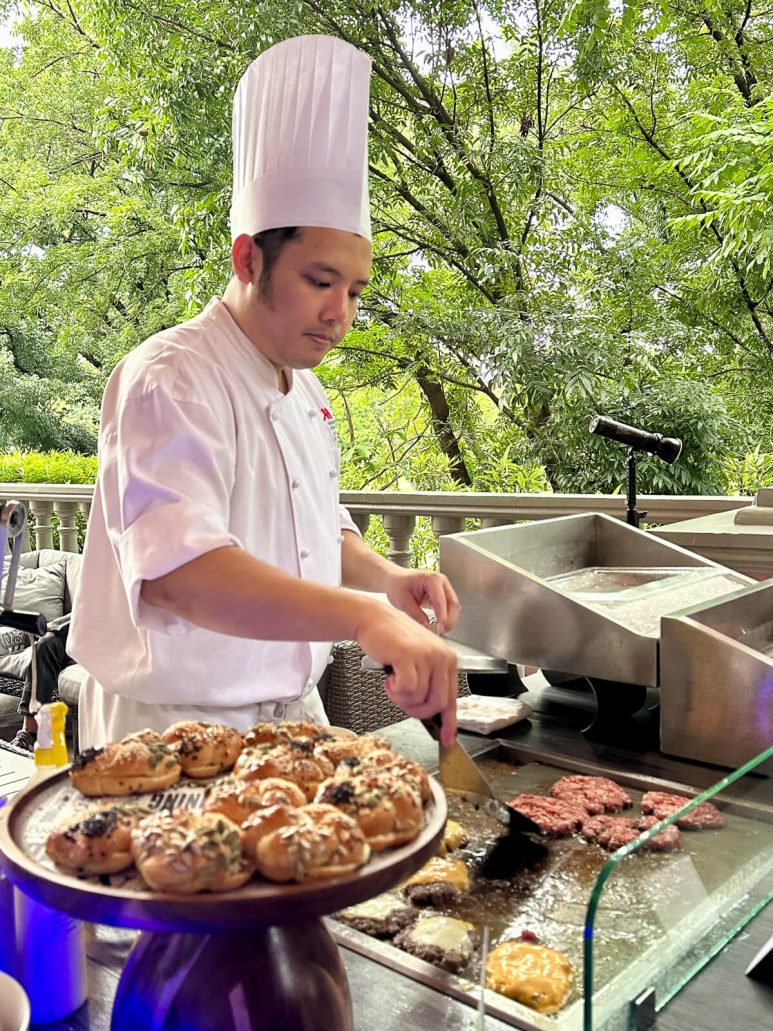
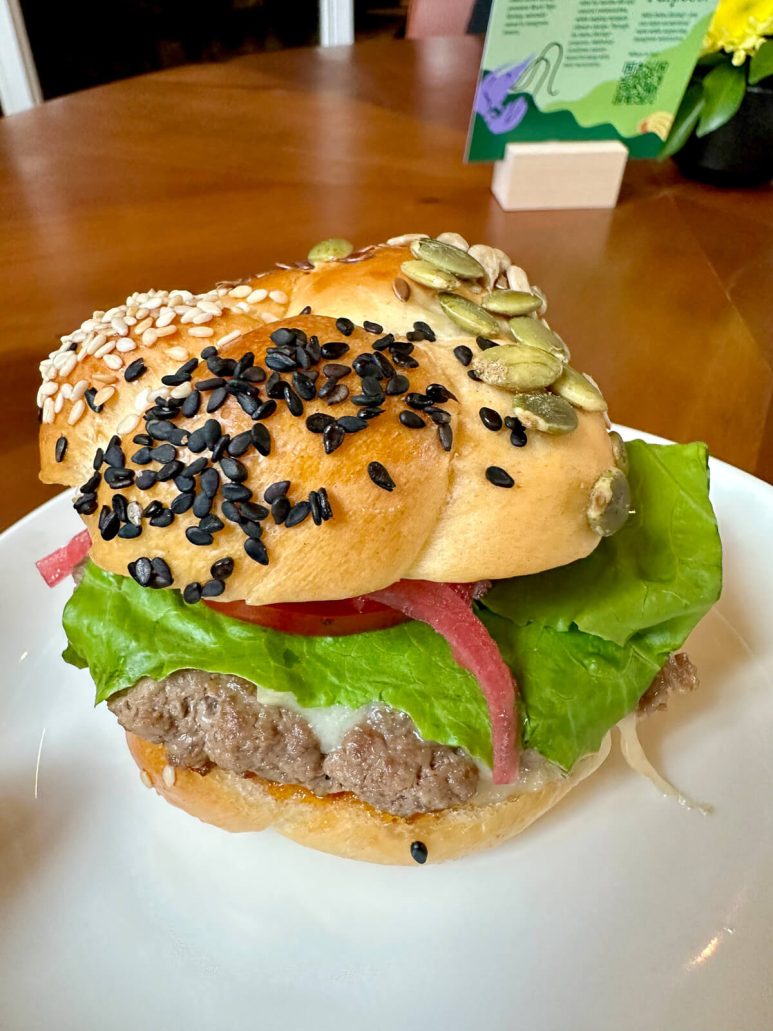
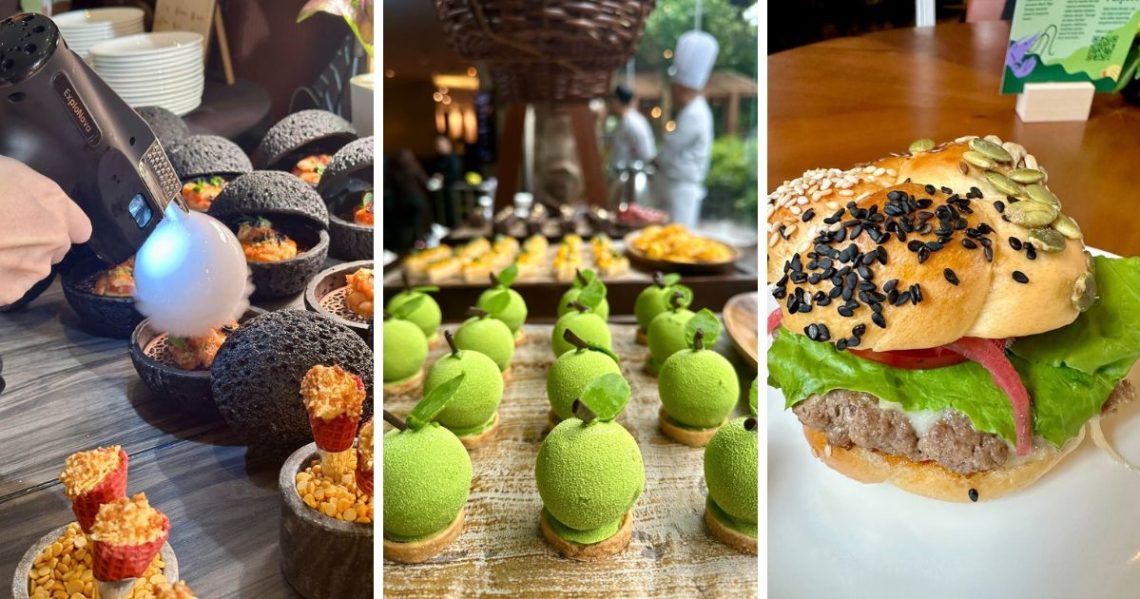
From October to December 2026, the best Sinagtala recipes will be served at the Future of Food x Sinagtala Buffet at Manila Marriott Hotel at Newport World Resorts. It’s available exclusively there, and a seat starts at ₱3,500. You can book through the hotel’s official website.
Curious about the numbers? You can read the full Future of Food Asia Pacific 2027 report here.

Katherine Cortes is a work-from-home freelancer. She likes beaches, snorkeling trips, and relaxing staycations (preferably with bath tubs). When not on the road, she stays at home with five cats.

You May Also Like
9 Little Luxuries That Transform Ordinary Travel Into Extraordinary

Paw-some Getaways: 17 Best Pet-Friendly Resorts Near Manila