Avoid the Offload: Immigration Tips for Filipino Travelers
As Filipinos, one of our “perceived” challenges when taking a vacation abroad is passing through the immigration. We’ve all heard stories of locals being offloaded, from people we know personally to online users sharing their stories (including a particularly viral story about being asked to show a high school yearbook as proof). Passing the immigration is hence the first crucial step you need to take.
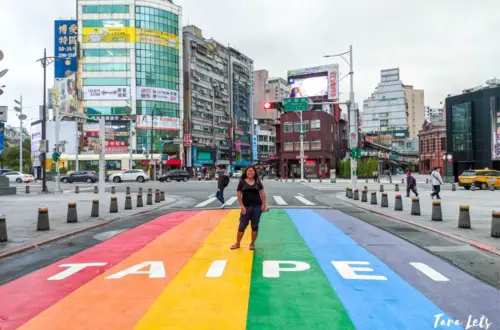
I also have a relevant personal experience. At the onset of the pandemic, I booked a solo trip to Taiwan. Because I was currently unemployed, I was held at the immigration for about 45 minutes. There was a queue, which took a while, and it was my turn I had to prove to the immigration officer that I had funds for traveler.
I accessed my accounts online, but it took long because the immigration area had poor mobile signal and the pages wouldn’t load. I should’ve been more ready, yes, but if there’s one thing I did right, it’s that I arrived at the airport 3 hours before the flight, so I had time to spare before the calls for onboarding.
The fact is: passing thru the immigration can be particularly worrisome if you’re a first-time tourist abroad. In fact, a lot of people note that the Philippine immigration may even be tougher than foreign checkpoints.
Regardless if you’re a newbie or a seasoned traveler, here are practical tips to help ensure a hassle-free experience at the immigration checkpoint.
Contents
1. Ensure basic travel documents are complete
Make sure that you have the following:
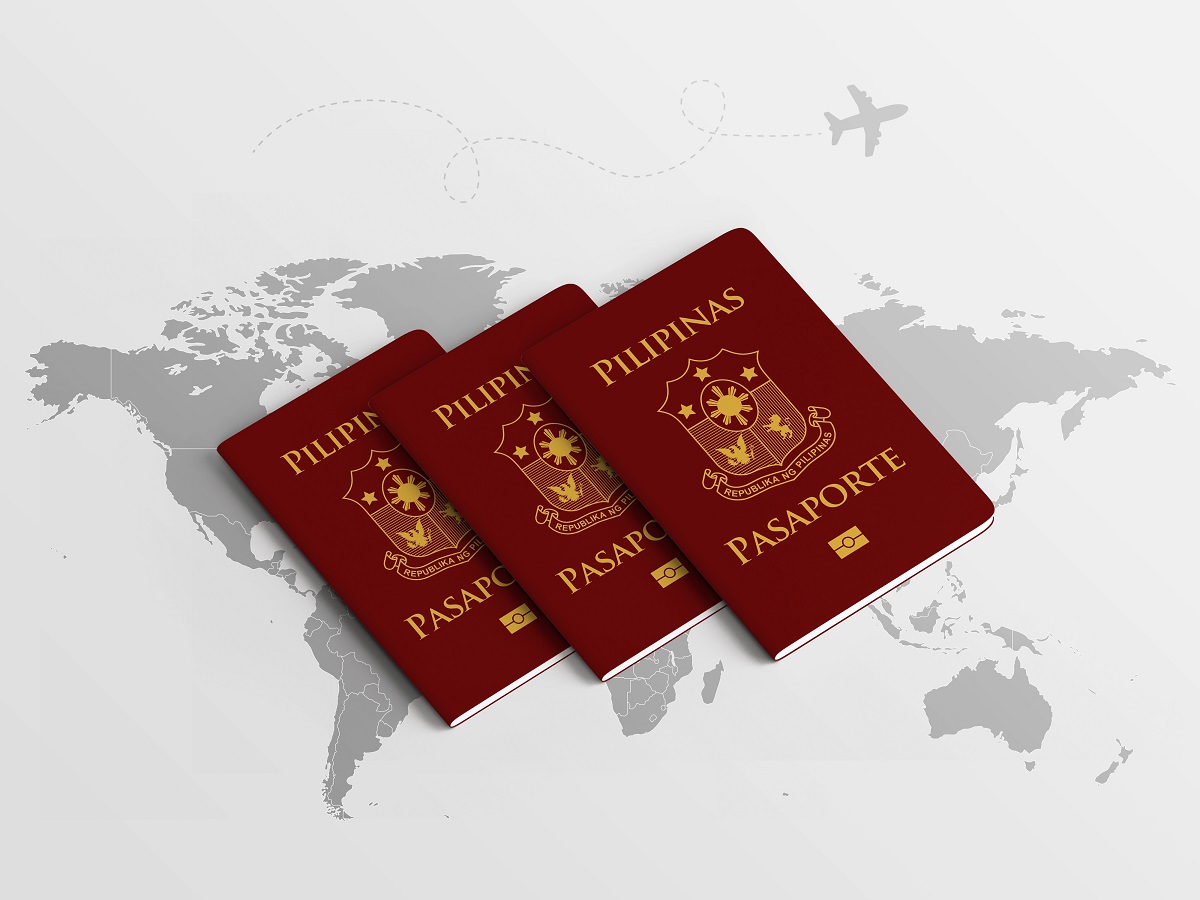
- Valid passport: Your passport must be valid for at least six months from your departure date. Check its condition—damaged passports may raise concerns.
- Visa (if required): Confirm whether your destination requires a visa and ensure that it is valid for your travel dates. Carry a physical or digital copy.
- Round-trip ticket: Immigration officers (both in the Philippines and abroad) may ask for proof of return or onward travel to ensure you’re not planning to overstay.
2. Prepare Supporting Documents
Immigration officers may ask for proof of your travel and financial capacity. Philippine immigration, in particular, may check your “ties to the Philippines” to ensure you won’t overstay abroad.
Here are the essential supporting documents that you need:
- Proof of purpose: Be ready to explain your trip (e.g., tourism, work, visiting family). Bring supporting evidence like:
- Hotel bookings or accommodation details
- Invitation letter or affidavit of support (if visiting family or friends)—often recommended, especially for countries like the US, Canada, or Schengen nations.
- Itinerary or tour bookings
- Financial capacity: While not always requested, officers may ask for proof you can afford your trip. Options include:
- Bank statement or certificate (at least P50,000 or above, depending on your destination, is said to be preferable)
- Credit card with a decent limit
- Cash (but avoid flashing large amounts—use discretion)
- Employment proof: If employed, bring a company ID or a Certificate of Employment (COE). If self-employed, show proof of business ownership or COE (for freelancers). If unemployed, be prepared to explain your situation clearly (e.g., savings, sponsorship).
3. Arrive early and be organized
- Get to the airport at least 3 hours before your flight to account for queues and potential delays at immigration.
- Keep all documents in an accessible folder or pouch for quick presentation.
4. Be ready for common questions
Be direst and honest. Avoid over-explaining or being vague, as this might raise suspicion. Immigration officers often ask simple but direct questions like:
- “Where are you going?”
- “What is the purpose of your trip?”
- “How long will you stay?”
- “What do you do for a living?”
- “Who’s funding your trip?”
5. Know your destination’s rules

Research entry requirements for your destination (e.g., visa exemptions, vaccination proof, health declarations). Some countries may require:
- Onward tickets
- Sufficient funds (varies by country—check embassy websites)
- Pre-registration (e.g., eTravel for the Philippines)
For visa-free countries like ASEAN nations, Japan, or Korea, many seasoned tourists suggest carrying proof of accommodation and enough cash (e.g., $500–1,000 or equivalent).
For strict countries like Australia or the UK, expect more questions about your travel history and purpose. It’s recommended to know basic details about your destination (e.g., landmarks you’ll visit).
6. Avoid common mistakes
- No fake documents: It goes without saying, never present fabricated tickets or papers—officers can verify them.
- Don’t overstay history: Past overstays can flag you for scrutiny.
- Agricultural items: Skip bringing fresh produce, as it’s often banned and can delay you.
7. Stay up-to-date
Check the Philippine Immigration website for the latest travel advisories and requirements. It’s also best to check travel groups or forums for recent immigration experiences, as policies can change (e.g., stricter checks during peak seasons).
Understanding Philippine Immigration Checks
Most Filipino tourists pass through the immigration successfully. Offloading risks are greater for tourists who seem underprepared (no job, no savings, vague plans, etc.) so being prepared is necessary.
To give you more idea about the immigration process:
- Primary Inspection: Most travelers (over 95%) pass with just basic documents if they can clearly state their purpose. Be honest and concise.
- Secondary Inspection: If flagged (e.g., first-time traveler, inconsistent answers), you may need extra documents like:
- Proof of ties to the Philippines (e.g., property documents, family details).
- Sponsor documents (if someone is funding your trip).
Avoid red flags: Inconsistent stories, lack of return tickets, or suspicious behavior (e.g., nervousness) can lead to further questioning or offloading.
Your Profile as a Filipino Traveler
If you’ve traveled before without issues, your passport stamps can work in your favor. Officers often view frequent travelers as less risky.
On the other hand, there are special cases that may face more scrutiny. These include:
- First-time travelers: Philippine immigration may scrutinize first-timers more, suspecting intent to work illegally. Extra proof of intent to return (e.g., job, family ties) helps.
- Minors: If traveling alone or with someone other than a parent, you may need to secure a DSWD Travel Clearance.
- Sponsored trips: If someone else is funding you, bring a notarized Affidavit of Support, sponsor’s ID, and proof of their financial capacity.
By preparing ahead of time, you can minimize the chances of being delayed or offloaded at the immigration.
Do you have other immigration tips for Filipino travelers? Let us know in the comment section below!
Note: Featured image source.

Katherine Cortes is a work-from-home freelancer. She likes beaches, snorkeling trips, and relaxing staycations (preferably with bath tubs). When not on the road, she stays at home with five cats.


You May Also Like
7 Days Itinerary to Barobo, Dinagat Island and Siargao
Masasa Beach (Tingloy, Batangas): DIY Guide + Itinerary