
How to Skip the Drake Passage on the Way to Antarctica
If you’ve ever looked up how to get to Antarctica, you’ve probably come across two words that make even seasoned travelers nervous: Drake Passage.
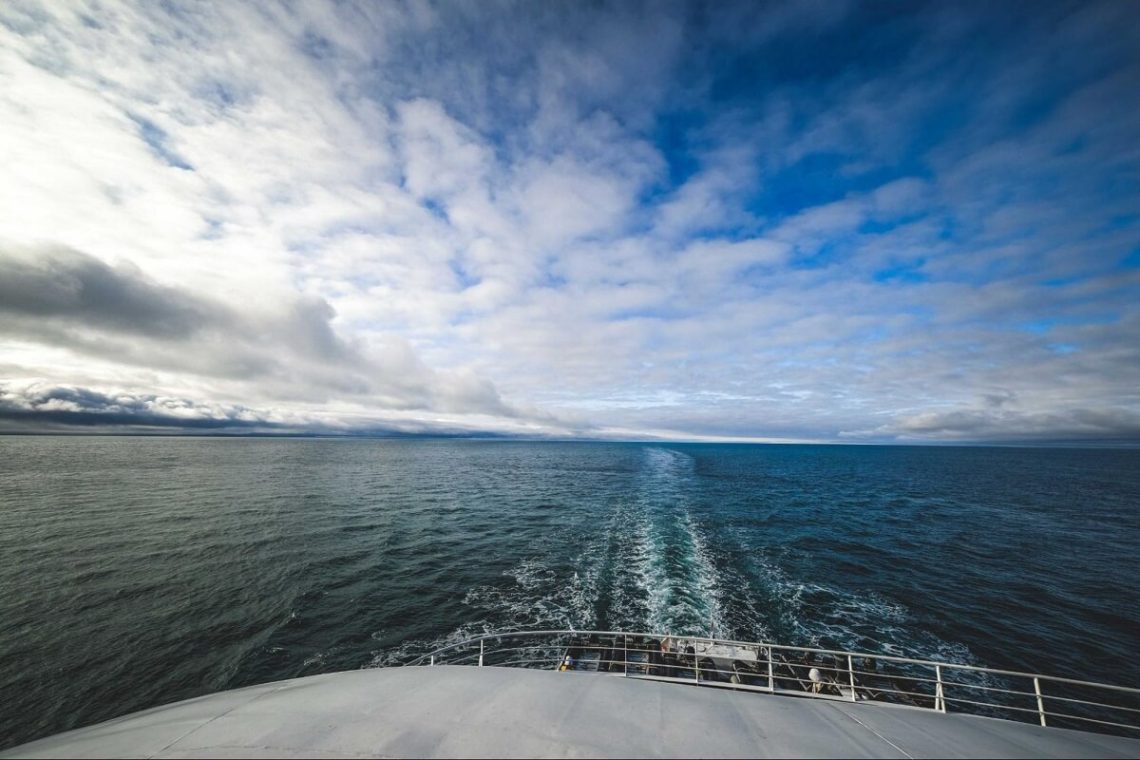
It’s the stretch of ocean you usually need to cross to reach the White Continent. And it has a reputation. Travelers swap stories of rolling decks, seasickness pills and days spent lying flat in their cabins.
For Filipino travelers, who already face long flights just to reach South America, that extra challenge can feel like too much. The good news? There’s a way around it.
Why the Drake Passage Has Its Reputation
The Drake Passage sits between the southern tip of South America and the islands off the Antarctic Peninsula.
According to Wikipedia’s entry, the roughly 800-kilometer-wide passage between Cape Horn and Livingston Island is the shortest crossing from Antarctica to any other landmass.
Short doesn’t mean easy, though. Strong westerly winds, open ocean and powerful currents meet here, which is why conditions can change quickly and seas can get rough. Some crossings are calm enough that travelers joke about the “Drake Lake”. Others earn the nickname “Drake Shake”.
Most visitors are heading for the Antarctic Peninsula anyway. The international association of Antarctic tour operators reports in its operator overview that over 95 percent of landed activity in the region takes place on the Antarctic Peninsula.
So the real question isn’t where you’re going. It’s how you get across.
The Antarctica Expedition Cruise That Flies Over the Drake
Instead of sailing across the passage, some trips fly over it.
Silversea offers fly-cruise itineraries alongside its traditional sailings, where an Antarctica expedition cruise begins with a flight from southern Chile to King George Island in the South Shetland Islands, and guests board the ship there rather than crossing the Drake by sea.
Here’s how it generally works:
- You fly from Manila to a South American hub, usually with at least one connection.
- You continue to southern Chile, where fly-cruise departures typically begin.
- A short flight takes you across the Drake to King George Island.
- You board your expedition ship and start exploring Antarctica almost right away.
Instead of spending days at sea getting there and back, you swap that time for more time exploring. For travelers prone to seasickness, it can make the difference between dreading the trip and truly enjoying it.
What You Gain and What You Give Up
Skipping the Drake isn’t automatically the best choice for everyone. Here’s a quick look at both sides.
What you gain:
- Less seasickness risk. You avoid the longest stretch of open ocean on the journey.
- More time in Antarctica. Fewer sea days getting there and back can mean more days among icebergs and penguins.
- A shorter overall trip. Useful if your vacation leave is limited.
What you give up:
- The crossing itself. Some travelers see the Drake as part of the adventure, with seabirds, whales and a real sense of reaching the end of the world.
- Flexibility. Flights to Antarctica depend heavily on weather. Delays can happen, so trips usually build in buffer days.
- Cost. Fly-cruises are often more expensive than traditional sailings.
Think about what matters most to you: time, comfort, budget or the full expedition experience.
Getting There From Manila
This part takes planning. Antarctica is about as far from the Philippines as travel gets.
Expect long-haul flights with connections, often through the Middle East, Europe, North America or other hubs, before reaching South America. That means a lot of hours in the air.
Cabin air doesn’t help. A National Academies review of the airliner cabin environment records humidity at cruising altitude at roughly 10 to 20 percent, which is drier than most deserts.
Here’s how to arrive in better shape:
- Drink water regularly and keep a refillable bottle with you after security.
- Pack lip balm, moisturizer and eye drops in your carry-on.
- Walk around the cabin when it’s safe to do so.
- Plan at least one rest night in South America before your Antarctica departure.
Also check visa and transit requirements early for every country on your route. Rules for Philippine passport holders can change, so confirm them with official embassy sources before booking flights.
When to Go
The Antarctic cruise season runs during the southern summer, roughly from November to March. That’s when sea ice has melted enough for ships to reach landing sites and wildlife is most active.
Early in the season brings dramatic snow and ice. Midsummer brings penguin chicks and long daylight hours. Later in the season is often great for whale watching.
Fly-cruise departures follow the same season, so book early. Spots are limited.
Packing for the Coldest Continent
Going from tropical Manila heat to polar conditions takes some smart packing.
Many expedition cruises provide a parka and loan waterproof boots, but you’ll still need good layers:
- Base layers that wick moisture
- Warm mid-layers like fleece or wool
- Waterproof pants
- Warm gloves, a beanie and a neck warmer
- Sunglasses that block UV
That last item matters more than you’d think. Sunlight bouncing off snow and ice is intense. EPA guidance shares a simple rule: if your shadow is shorter than you are, UV levels are high. Pack sunscreen and lip balm with SPF, even though it’ll be freezing.
Is Skipping the Drake Right for You?
Here’s a quick way to decide:
- Choose a fly-cruise if you’re worried about seasickness, have limited vacation days, or want to maximize time in Antarctica.
- Choose a traditional sailing if you want the full expedition experience, love being at sea, or are working with a tighter budget.
Either way, you’ll be joining a small group of travelers who get to see one of the most remote places on the planet.
The Bottom Line
The Drake Passage is famous for a reason, but it doesn’t have to stop you from reaching Antarctica.
With a fly-cruise, you can skip the roughest crossing, spend more time among the icebergs and wildlife, and turn a once-in-a-lifetime dream into a trip that feels more manageable, even from the other side of the world.
Now all that’s left is deciding which penguin photo will become your new profile picture.
Tara Lets Anywhere features voices from all over the world — travelers, writers, expats, and local experts who write, often from their own firsthand experience. We believe great stories have no borders, and our global contributors bring those stories straight to you.

You May Also Like

11 Best Marinduque Beaches for Summer Trips

Merloquet Falls: A Wonderful Day Trip from Zamboanga City