Where to Buy Filipino Woven Clothing in Manila and Online
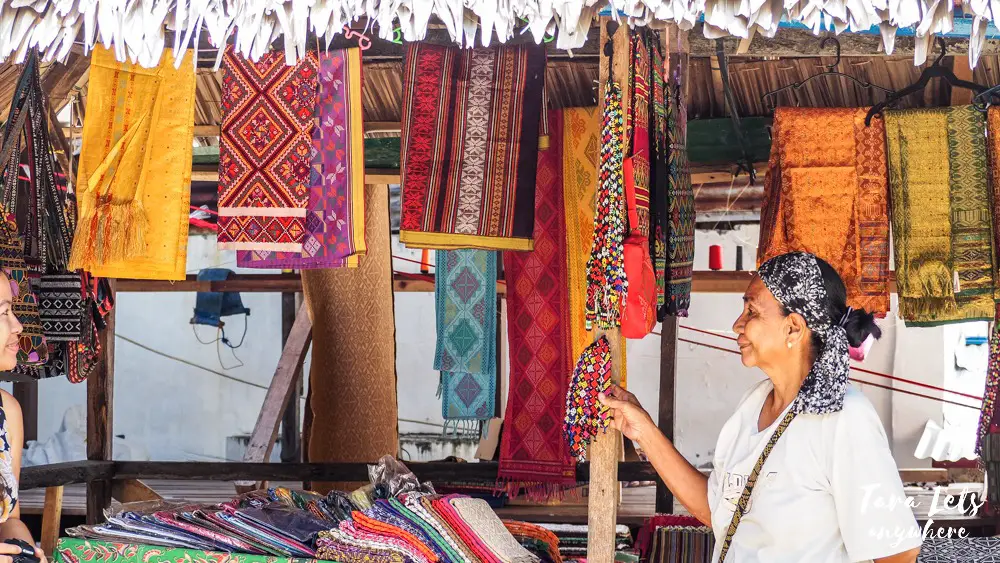
T’nalak, yakan, abel, even classics like abaca and piña — the Philippines has some of the most extraordinary weaving traditions in Southeast Asia. And while the looms are in the highlands and coastal villages, the finished clothing doesn’t have to be. Whether you’re looking for a wardrobe upgrade, a statement piece, or a meaningful gift, you don’t necessarily have to book a road trip to Ilocos, fly to Zamboanga, or go on a multi-day trek to Lake Sebu to find the real thing.
Here’s exactly where to buy Filipino woven clothing in Manila, including online shops, if you’d rather shop from home.
Why Buy Locally Woven Clothing
As an avid traveler, I love buying woven clothes and other items. I’ve purchased all sorts of things, from embroidered jackets, long skirts, to cute pair of earrings. Although a lot has been going on in our country, wearing these locally made products give me a sense of pride as a Filipino.
There are caveats in buying locally woven clothes. For one, they are expensive. Because weavers usually spend days to handloom fabrics, the rate for each piece usually ranges in the thousands. You also need to carefully read about washing instructions, as most of them need to be hand-washed instead.
That aside, here’s why it’s worth choosing handwoven Filipino pieces over fast fashion imports:
- You’re supporting living heritage. Many weaving traditions in the Philippines are at risk of dying out as younger generations move to cities. Every purchase helps sustain the craft.
- Each piece is unique. Handwoven textiles vary slightly from piece to piece. You’ll never show up to a party in the exact same outfit as someone else.
- Exceptional quality. Filipino weavers use natural fibers, including pineapple (piña), abaca, and cotton, which are breathable, durable, and beautiful. They also utilize dyes made from natural, plant-based materials.
- It’s conscious consumption at its best. Small-batch, artisan-made, and locally sourced, ticking all the right boxes.
Where to Buy Filipino Woven Clothing in Manila
1. Tesoro’s
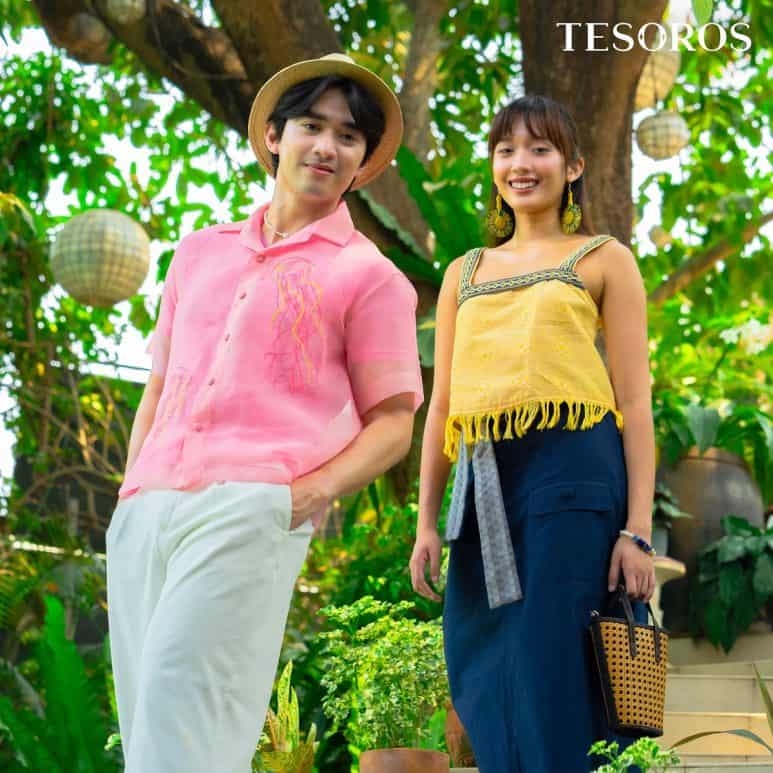
Tesoro’s is a long-running Filipino handicraft retailer with branches in major malls. While it carries a broad range of local crafts, their textile section reliably stocks woven clothing, piña accessories, and indigenous-fabric garments.
Location: Several branches across Manila
2. Katutubo Pop-Up Market (Bench x Katutubo)
Conceptualized in 2016 by Mons Romulo after she was inspired by artisans from Mindanao, Katutubo has since grown into one of Manila’s most beloved indigenous craft markets in partnership with Bench. What began with 11 small local brands has expanded to over a hundred partnerships, featuring designers and makers from across the archipelago.
Expect to find handwoven clothing, accessories, and textiles from brands like Kaayo, Linea Etnika, Etniko Pilipino, and many more — everything from tops and dresses to scarves and shoes, all made using indigenous Filipino weaves and techniques.
Admission is completely free, and the market runs from 10 a.m. to 8 p.m. daily during its run. Events are held at Bench Tower, BGC several times a year, so follow @katutubopopupmarket for the latest schedules.
Location: Bench Tower, BGC
3. Spatio
If you want to shop Filipino woven clothing and support as many local makers as possible in a single trip, Spatio is one of your best options in the metro. Robinsons Group’s three-level, 7,800-square-meter concept store is home to over 100 Filipino brands, with a strong emphasis on artisans who use local fabrics and indigenous weaving techniques.
For woven clothing specifically, look for Abel PH (Ilocano handwoven blankets, tops, and textiles), Wear Your Culture, Habi Lifestyle, Woven, and Agsam Fashion Fern, the last of which makes accessories from a wild fern handwoven by indigenous women of Surigao del Sur. Established Filipino designers like Zarah Juan, Rhett Eala, and Jorel Espina, many of whom work with local fabrics, also have a presence here.
The store was developed in partnership with FAMph and the DTI, with the vision of making Spatio the home for local makers and designers.
Location: Opus Mall, Quezon City
4. Kultura Filipino
SM’s flagship Filipino lifestyle brand, Kultura consistently carries a selection of woven clothing, accessories, and home goods sourced from local artisans and regional cooperatives. Branches in SM Mall of Asia, SM Megamall, and SM Aura are among the largest.
I feel like Kultura is often overlooked when it comes to local textiles and clothing, but they, in fact, carry some of the best items in terms of value for money, from casual outfits to formal wears. Plus, it’s a good place to stock up on Filipino snacks and pasalubongs!
Location: SM stores nationwide
5. KUL
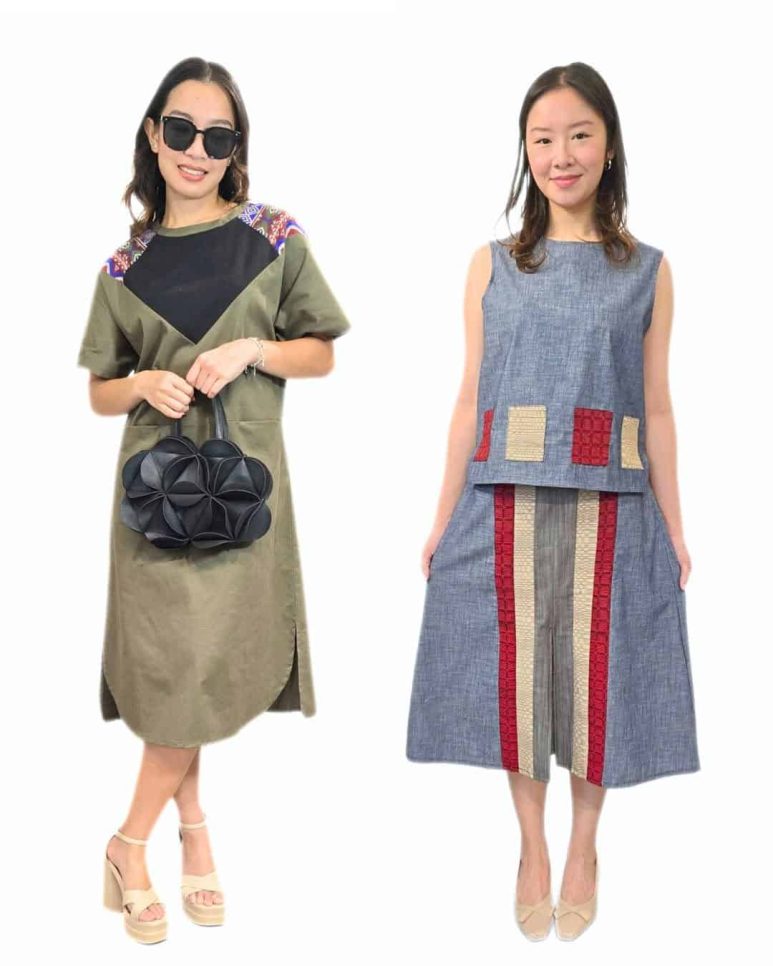
This brand looks polished enough to be mistaken for an international label but is proudly and intentionally Filipino. Their Ethnic Collection features pieces made with inaul and other indigenous tribal weaves. Their catalog features practical and wearable pieces, including tops, coords, dresses, bottoms, and jackets.
They are also inclusive, with clothing sizes running from S to 3XL, plus a dedicated plus-size line. Accessories — bags, heels, and flats — are also available, many incorporating ethnic textile details.
Location: KUL Gallery in Mandaluyong, Mitsukoshi Mall BGC, and Glorietta 3 Makati (pop-up store)
6. M.A. Woven Designs
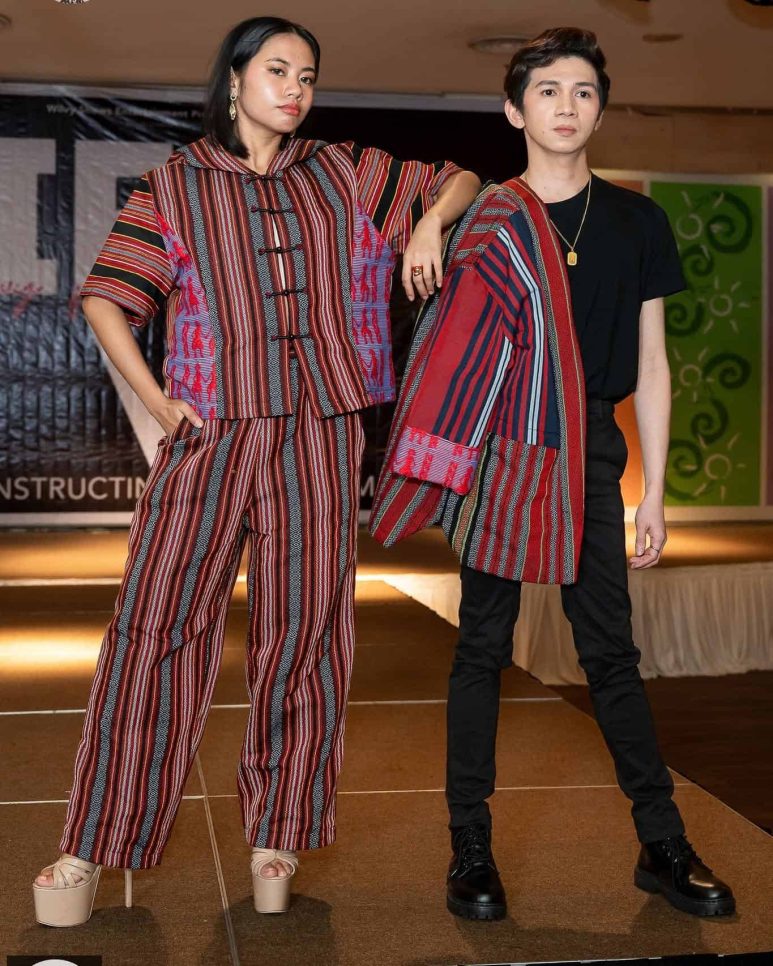
This Baguio-based brand that brings Cordilleran heritage into contemporary, street-ready silhouettes. Their collections blend Inabel and other indigenous textiles with modern cuts, which you can use for casual everyday wear.
If you’re south of the metro, their Connect ATC stall is one of the more accessible spots to find authentic Cordilleran-accented fashion outside of Baguio. While their space is small, I’m sure you’ll find some gorgeous pieces, just as I have.
Location: Connect, Alabang Town Center
7. Trade Fairs and Pop-Up Markets
In my opinion, some of the best woven finds in Manila come from trade fairs and pop-up markets, where independent designers and artisan cooperatives set up stalls. Some of my most beloved items come from far-flung provinces such as Isabela, bought in trade fairs.
DTI often hold these events across different places in Manila — including Festival Mall, SMX Convention Center, Rockwell, SM Megamall, and Gateway Mall. Some of the events you may want to keep an eye on include Tatak Pinoy Proudly Filipino Expo, LIKHA Artisinal Fair, Hibla Weavers Fair, Impakabsat Regional Trade Fair, and more.
Pro tip: Follow local sustainable fashion hashtags like #SupportLocalPH to get early notices on trade fairs and pop-up schedules.
Where to Buy Filipino Woven Clothes Online
Online shops may be few and far between, but the good thing about them is you can purchase items at cheaper prices than physical stores. While I do love picking fabrics personally at mall stores, with the high-end prices, sometimes it feels like these are being gatekeeped for the rich, which isn’t the case when you’re dealing with small online shops.
Shopee and Lazada
Both platforms have a growing number of legitimate artisan sellers. When searching, use terms like “handwoven” or specific fabrics like “inabel” or “T’nalak” to filter results. Additionally, you may also want to check the seller rating and descriptions that mention the specific region, fiber type, or weaving technique.
Check elyuweaving for modern jackets stitched with inabel fabrics and Arkus Balay for more inabel options, including cover-ups, ponchos, and skirts. Hermana Pilipinas offers modern-day pieces that make use of different fabrics, from the inaul of Mindanao to kantarines and binakol of Abra, including tops, kimonos, and modern Filipinianas.
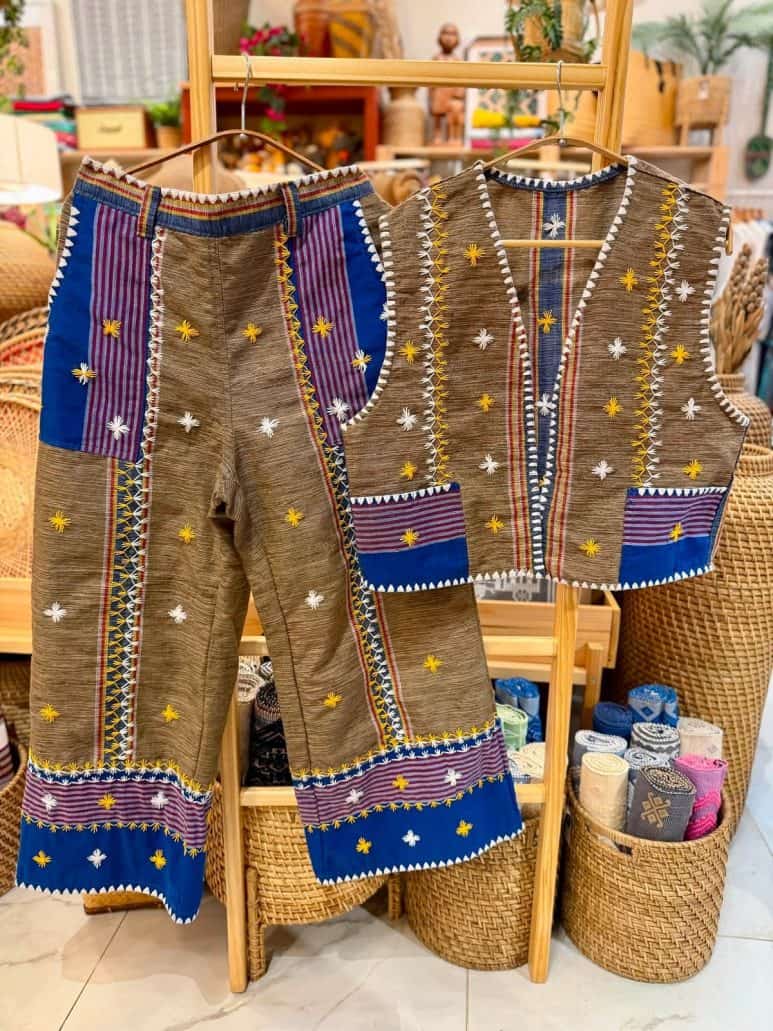
Facebook and Instagram
Some shops can be found in Facebook and Instagram. This includes small retailers, as well as weaving cooperatives and indigenous communities, who now sell directly online, cutting out the middleman entirely.
Yana’s Woven Textile is a slow-fashion brand carrying 100% handcrafted pieces made by artisans from the Panay Bukidnon, Hanunuo Mangyan, and Itneg tribes. You can shop via their Instagram or through Frankie and Friends General Store online.
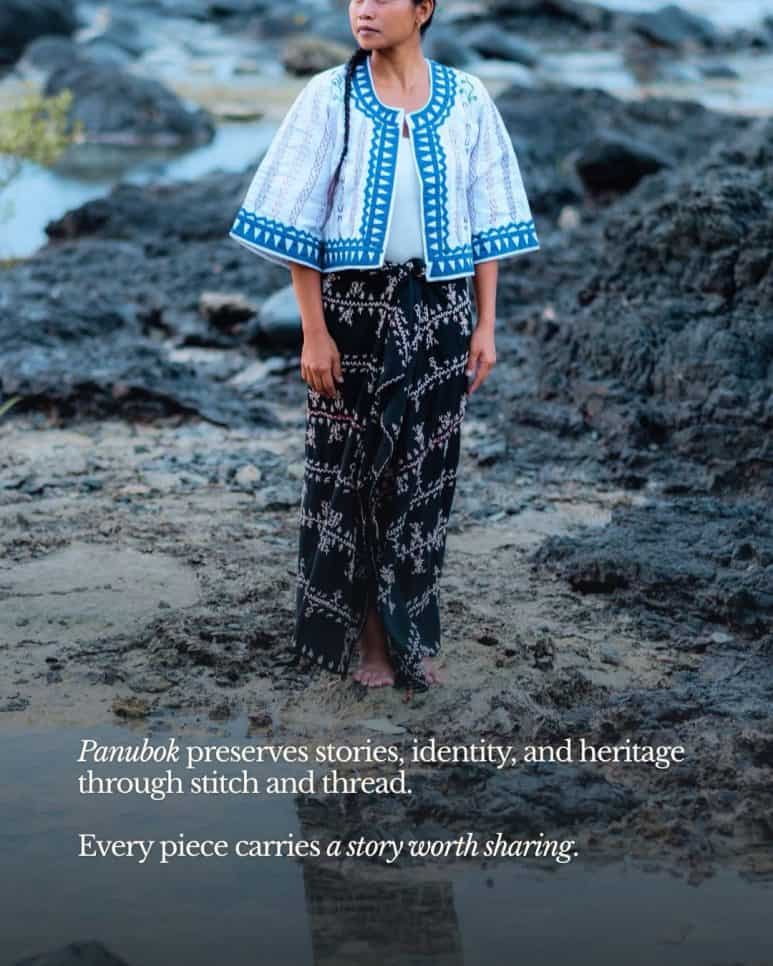
Hibla Philippines is is a women- and youth-led social enterprise working with a number of communities across the Philippines, from the weavers of Kalinga to the embroiderers of Abra. The goal is to make woven clothing genuinely wearable in everyday life without watering down the cultural integrity of the craft.
Likhang Pinoy is online shop that sells various embroidered pieces, including binakol, kantarines, inabel, and itneg weaves. You can find bolero, vests, skirts, and terno. Their prices are cheaper than other established brands.
Caring for Your Woven Pieces
Filipino handwoven clothing deserves a little extra care:
- Hand wash in cold water with mild detergent, or dry clean for piña and abaca
- Air dry in the shade to protect natural dyes
- Iron on low heat with a pressing cloth
- Store folded, not hung, to prevent stretching.
Start Supporting Local Today
Filipino woven clothing is fashion with roots. Every piece connects you to a weaver, a community, a region, and a tradition that has survived centuries. Today, authentic local textiles shops have made these pieces more accessible than ever. So the next time you’re updating your wardrobe, consider buying local.
Know a Manila shop or online seller we missed? Drop it in the comments. We’re always on the lookout for more places to feature!

Katherine Cortes is a work-from-home freelancer. She likes beaches, snorkeling trips, and relaxing staycations (preferably with bath tubs). When not on the road, she stays at home with five cats.


You May Also Like

7-Eleven Promotes Sustainability and Savings By Encouraging Customers to Bring Their Own Cups

Foodies Can Now Enjoy Taiwanese-Inspired Meals at 7-Eleven