Chinese New Year in the Philippines: How and Where to Join the Festivities
Chinese New Year (often called Lunar New Year or Spring Festival) is one of the most colorful cultural celebrations you can experience in the Philippines. While it’s rooted in Chinese tradition, it has woven itself into Filipino life thanks to centuries of shared history, community ties, and a big Filipino-Chinese population that keeps the festivities lively and meaningful.
This guide will help you understand how Chinese New Year is celebrated in the Philippines and the best spots to join in, especially in Manila’s iconic Binondo.
Contents
What Chinese New Year Means for Filipinos
For many in the Philippines — especially the Filipino-Chinese community — Chinese New Year is more than a calendar date. It’s a time for family, renewal, and hope for prosperity.
But even the non-Filipino-Chinese like me take part in the celebration, as it has become part of the local culture in the country as well.
Growing up, I remember my parents buying tikoy during Chinese New Year. It is a habit that I’ve taken to adulthood. Meanwhile, one of my friends would always visit Binondo a day or two before the actual celebration (to avoid the crowd) so she could buy lucky harms to hang in the house and to give away to family and friends. While Binondo is indeed the main hotspot during Chinese New Year, other families opt for alternative destinations like hotels.
Family and Reunions
Family gatherings are central to the celebration. Similar to Christmas and New Year in the Philippines, people use this time to reconnect with loved ones, share meals, and honor ancestors.
Traditions and Customs
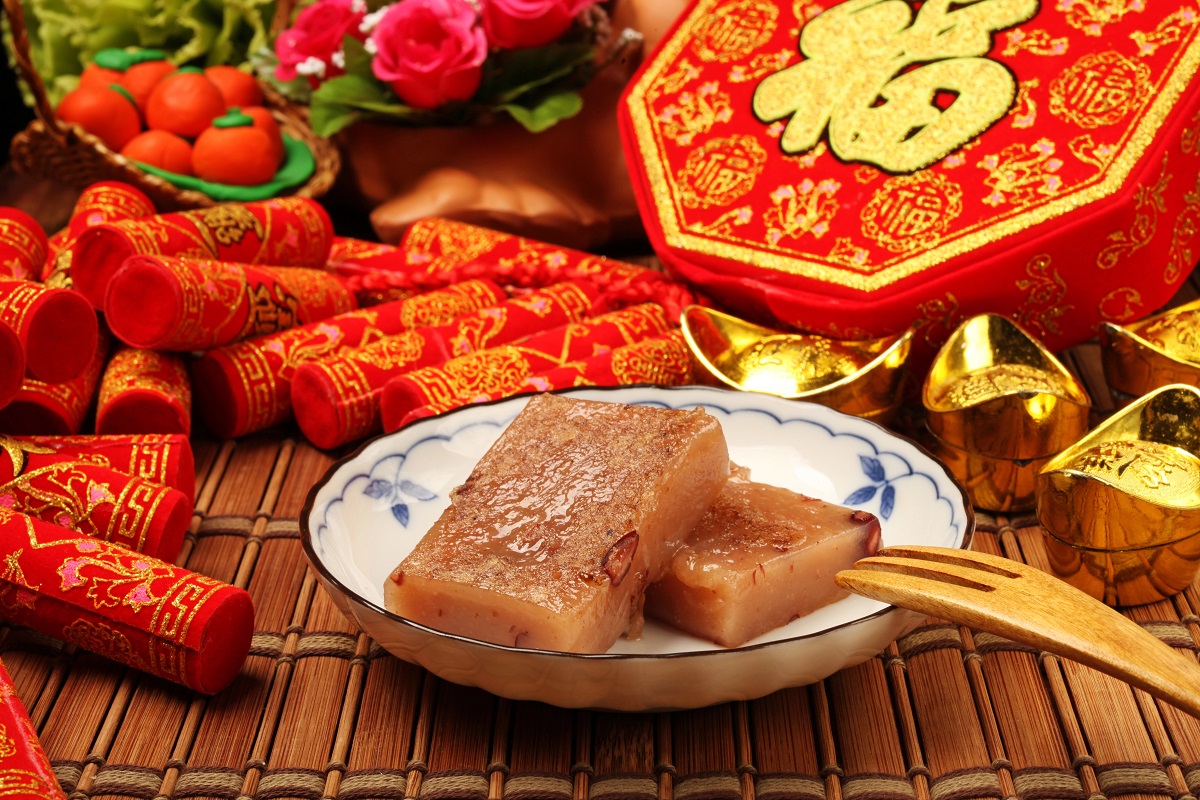
You’ll see a mix of Chinese traditions that have been embraced locally:
- Decorating with red and gold: Colors symbolizing happiness and wealth are everywhere, from lanterns to banners.
- Lion and dragon dances: Believed to chase away bad luck and welcome good fortune.
- Ang pao (red envelopes): Money given to family and friends as blessings for the new year.
- Tikoy (nian gao or sticky rice cake): A must-have treat that symbolizes unity and prosperity.
However, the local twist is real. Many Filipino-Chinese families add Filipino dishes alongside Chinese foods at reunions. Also, some Christian families may attend mass before heading to Lion Dances or temples.
Not a Regular National Holiday
Chinese New Year is not a regular national holiday, although in the past, it was sometimes recognized as a special non-working holiday.
For 2026, Chinese New Year (February 17) is not listed as a nationwide national holiday by the government — meaning many places will remain open, and celebrations are largely community- and city-driven rather than imposed by law.
Binondo: The Heart of CNY Festivities
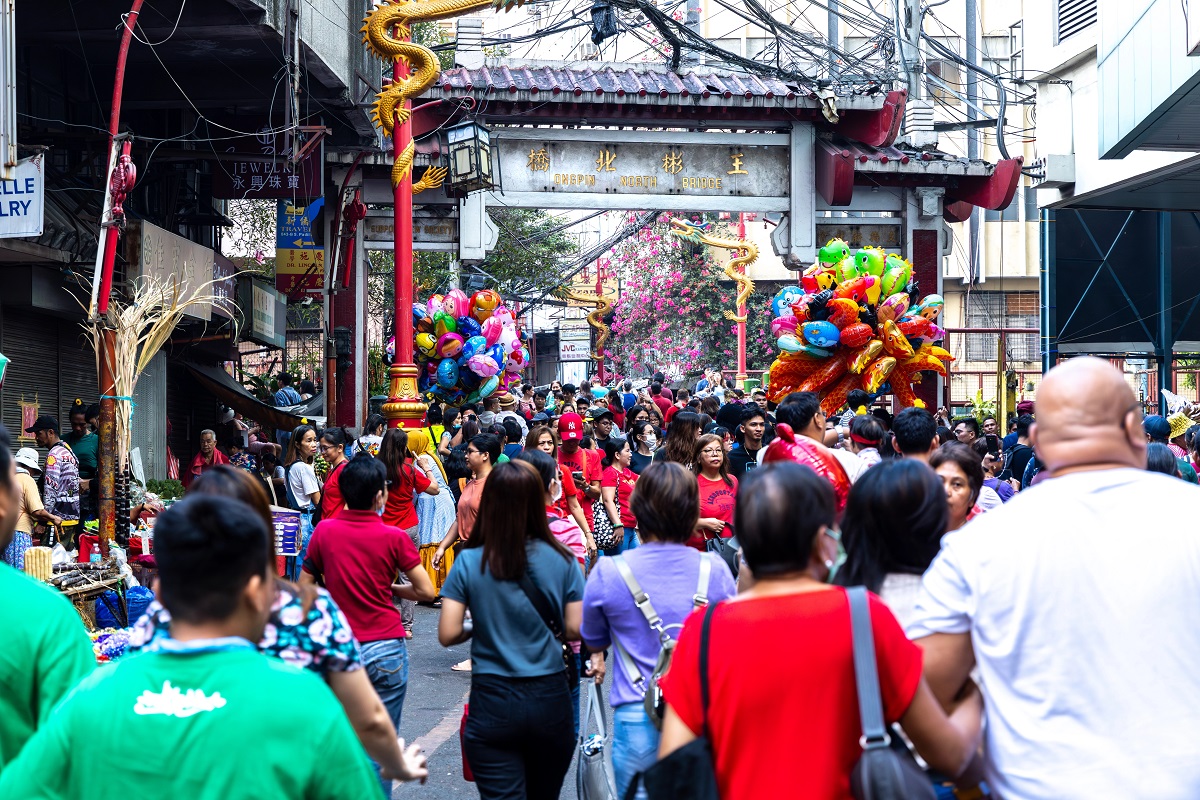
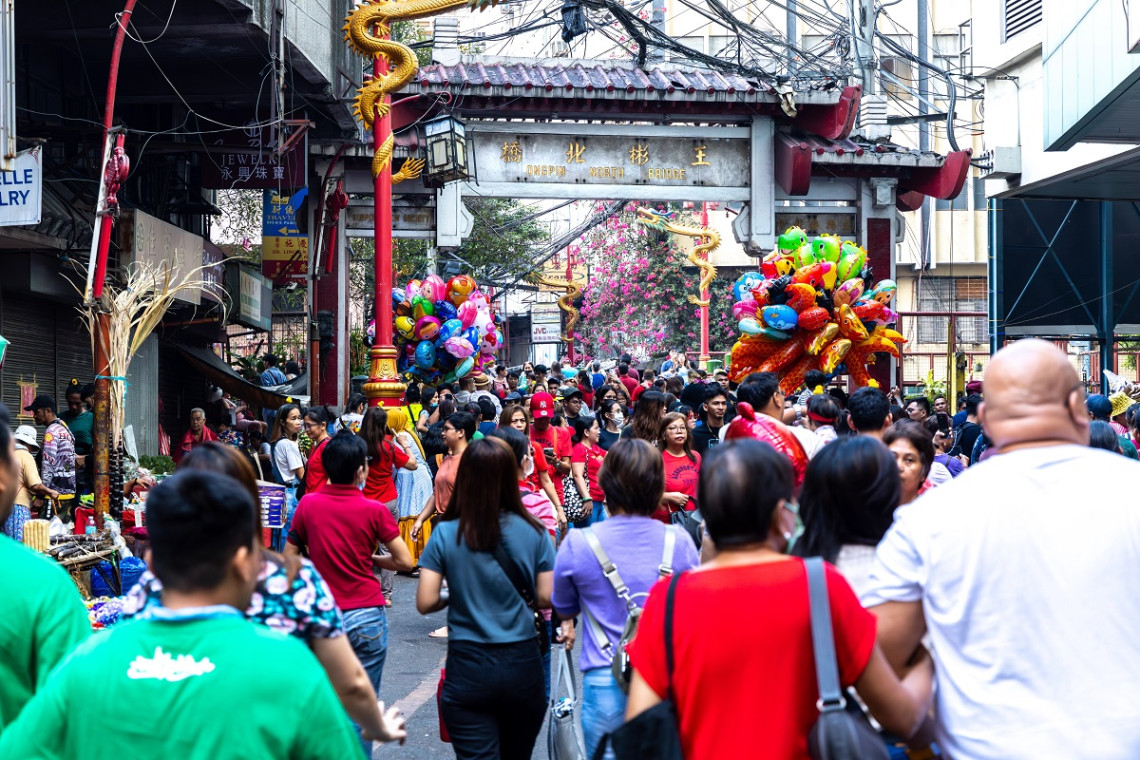
Binondo, the world’s oldest Chinatown, is the go-to place for celebrating Chinese New Year and arguably the most vibrant celebration you’ll find nationwide. The streets turn into a sea of red lanterns, golden accents, lucky charms, and buzzing energy. Vendors sell everything from lucky trinkets to fresh tikoy and other delicious food.
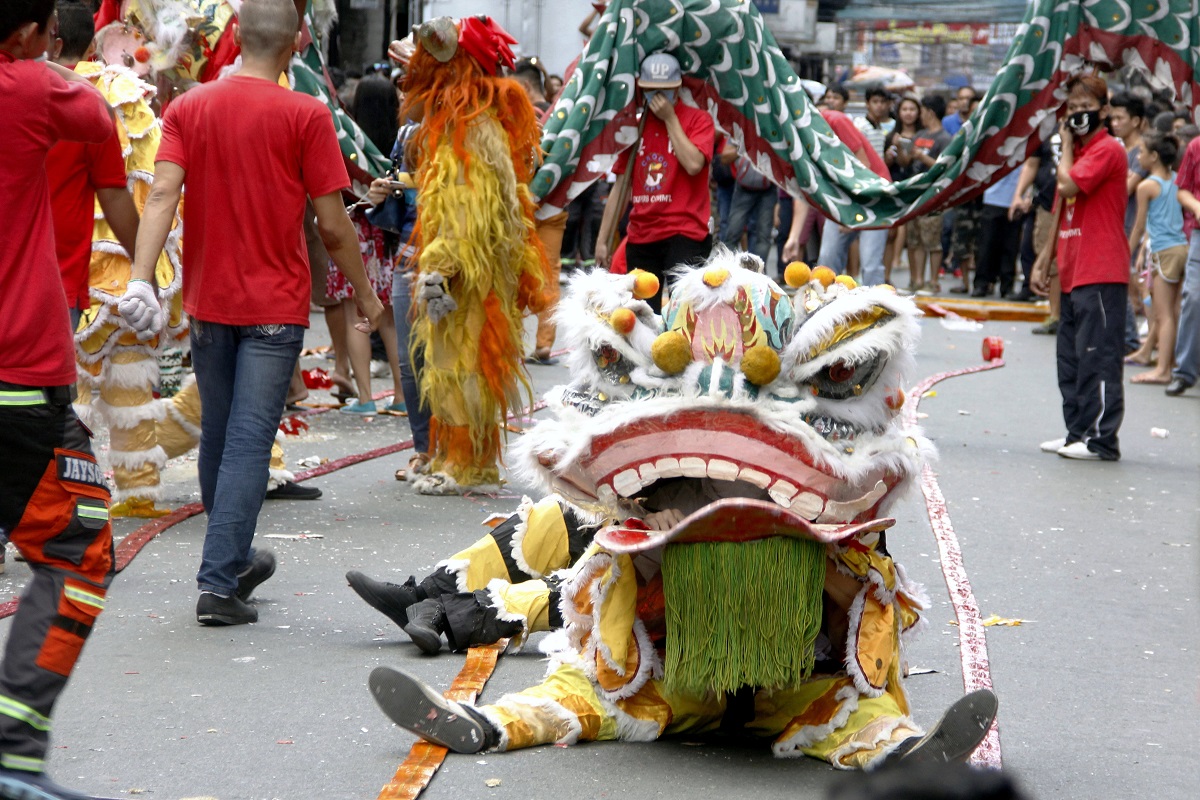
Why go:
- Lion and dragon dances: The main parade route is across Ongpin Street and surrounding areas. Expect lion and dragon dances (where performers “bless” businesses for luck), marching bands, and colorful floats. The parade usually starts past 12 noon, based on past years.
- Food: From classic Filipino-Chinese fare to tikoy stalls, there’s plenty of options to choose from for food tripping.
- Countdown events: Lucky Chinatown mall and Jones Bridge area are the best spots for fireworks countdown, eye-dotting ceremonies for lions and dragons, and more dance troupes roaming daily.
Be warned though: During Chinese New Year, Binondo gets very crowded. Lines for food can be long, and the streets packed from morning to night. In fact, on the day itself, it’s more about watching dragon dances and enjoying the sights rather than food hunting in congested streets.
If you want a less chaotic experience, plan your visit days before the Chinese New Year instead.
Or if you prefer visiting on the actual day of the Chinese New Year, be prepared. Go early, wear comfy shoes (and maybe something red for luck), and bring cash for street food. For overnight stays, book early. Rooms can fill up fast during festival periods.
Celebrations Beyond Binondo
If the idea of squeezing yourself among crowds in Binondo, there are other places in the metro you can visit to celebrate:
- Banawe Chinatown: This Chinatown in Quezon City is a good alternative with a more laid-back vibe. Some locals prefer celebrating here as the streets are wider, parking spaces are easier to find compared to Ongpin, and it is also more manageable to restaurant-hop.
- Residences and hotels: Okada Manila is a popular hotel resort for their extended Lunar New Year activities, dinners, and special menus. Other hotels like Savoy Hotel Manila also offers dragon and lion dances, buffet, and special room packages for families and couples.
- Shopping malls: SM Mall of Asia, Greenbelt, Trinoma, and Araneta City often host cultural performances, lantern displays, and themed exhibits.
Beyond Metro Manila, Cebu and Davao cities are also known for their vibrant Chinese New Year celebrations.
These are great options if you’re celebrating with family, want a more relaxed atmosphere, or prefer a modern environment with amenities.
Why You Should Experience CNY in the Philippines
Chinese New Year in the Philippines is celebrated by both Filipinos and Filipino-Chinese. Some prefer the lively celebrations in Binondo, while others opt to head to hotels or shopping malls with their family instead. At the end of the day, this festival is all about family, culture, and shared heritage.
How do you celebrate Chinese New Year in the Philippines? Let us know in the comment section below!

Katherine Cortes is a work-from-home freelancer. She likes beaches, snorkeling trips, and relaxing staycations (preferably with bath tubs). When not on the road, she stays at home with five cats.


You May Also Like

One Week in Northern California: Coastal Views, Mountains, and More
North Coast Day Tour: Yehliu, Shifen and Jiufen