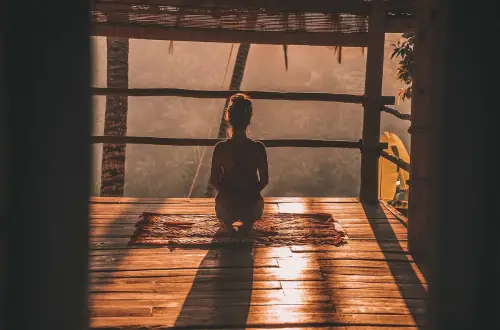
Prayer Flags, Monasteries, and Mountain Blessings: The Spiritual Heart of Everest Base Camp
Many people think the Everest Base Camp trek is only about mountains, altitude, and reaching a famous destination. But once you start walking the trail, you quickly realize something else is happening.
Between the villages, the glaciers, and the high mountain views, there is a quiet spiritual presence. Colorful prayer flags flap in the wind. Stone walls are carved with sacred words. Monasteries sit peacefully against the mountains.
You may come to Everest Base Camp for adventure.
But along the way, you walk through the spiritual heart of the Himalayas.
Contents
- Why the Everest Base Camp Trek Is More Than a Physical Journey
- Understanding the Spiritual Culture of the Khumbu Region
- Prayer Flags on the Trail — What They Mean and Why They Matter
- Monasteries Along the Everest Base Camp Trek
- Mani Stones, Prayer Wheels, and Sacred Symbols on the Trail
- Mountain Blessings — Why Everest Is Sacred
- How the Spiritual Atmosphere Changes the Trekking Experience
- What New Trekkers Should Know About Spiritual Etiquette
- Who Will Appreciate the Spiritual Side of Everest Base Camp Most
- Conclusion
Why the Everest Base Camp Trek Is More Than a Physical Journey
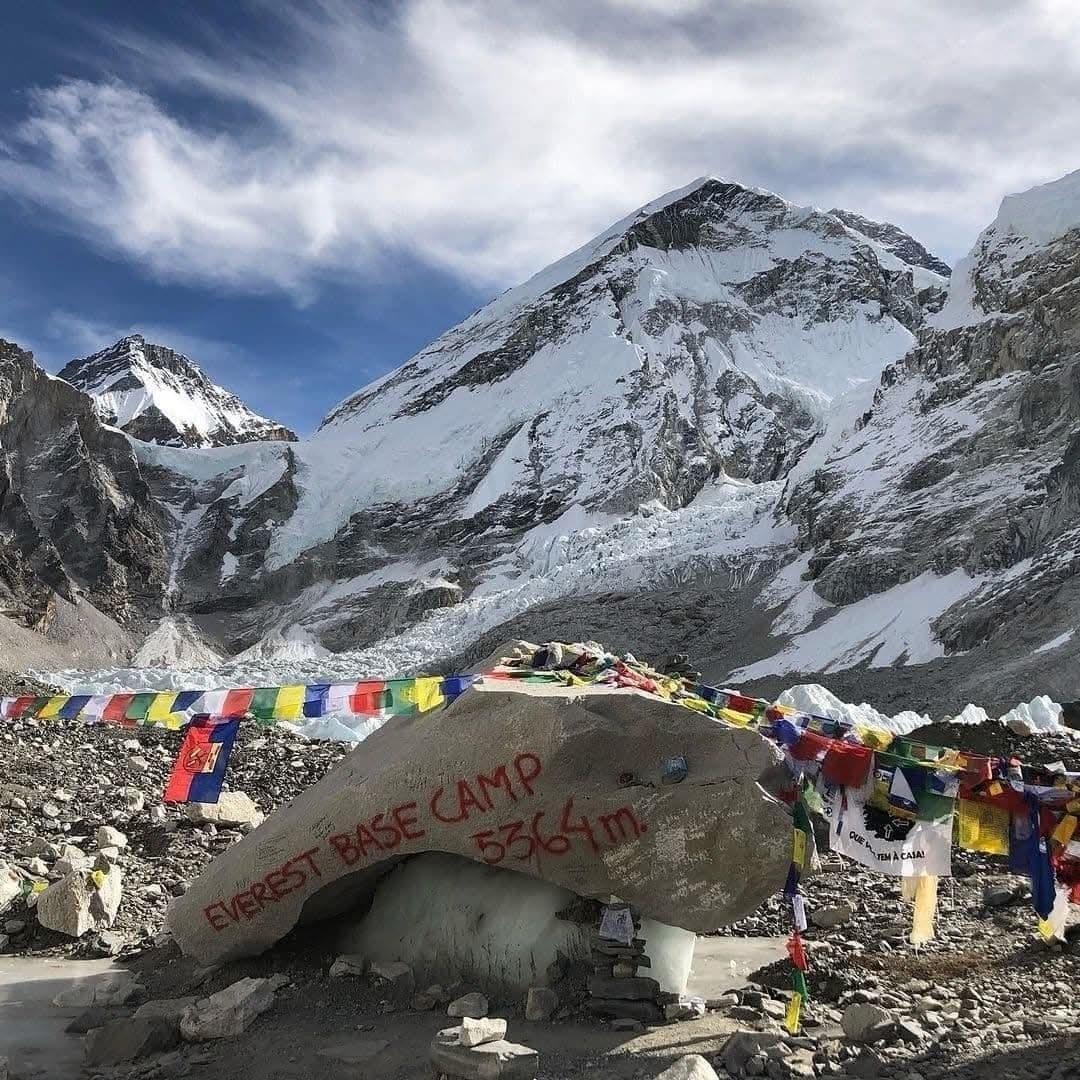
Trek to Everest Base Camp is a physical challenge, but it is also an emotional and spiritual journey. The trail passes through places where people have lived, prayed, and respected the mountains for generations.
For many trekkers, the quiet rituals and sacred symbols slow them down. They start walking more mindfully. They listen more. They think more.
You don’t need to follow a religion to feel this. The environment itself invites reflection and calm.
Understanding the Spiritual Culture of the Khumbu Region
The Everest region, also called Khumbu, is home to the Sherpa people. Their culture is deeply connected to Buddhism and respect for nature.
In Sherpa belief, mountains are not just rocks. They are living, powerful beings. Everest is known as Chomolungma, which means “Mother Goddess of the World.”
This belief shapes everyday life. Before climbing or trekking, people ask for blessings. Before opening shops, families light butter lamps or say prayers. Spirituality is not separate from life, it is part of it.
Prayer Flags on the Trail — What They Mean and Why They Matter
One of the first things trekkers notice on the Everest Base Camp trail is prayer flags.
These colorful flags carry prayers for peace, strength, and protection. The five colors represent elements:
- Blue for sky
- White for air
- Red for fire
- Green for water
- Yellow for earth
When the wind blows, it is believed the prayers spread across the mountains.
Why Prayer Flags Are Placed on High Points
Prayer flags are often placed on passes, viewpoints, and near villages. High places are closer to the sky, making prayers feel stronger.
Trekkers should never remove or step over prayer flags. They are sacred and deeply respected by local people, a respect you’ll also notice on traditional routes like the Manaslu Circuit Trek, where prayer flags and mani walls mark village entrances and mountain passes.
Monasteries Along the Everest Base Camp Trek
Monasteries are places of prayer, learning, and community. Along the EBC trail, they offer moments of peace and quiet.
Inside, you may hear chanting, see monks in red robes, or smell incense. Even visitors who don’t understand the rituals often feel calm when they enter.
Tengboche Monastery — The Spiritual Center of the Route

Tengboche Monastery is the most famous monastery on the Everest Base Camp trek. Set against huge mountains, it feels powerful and peaceful at the same time.
Climbers and trekkers often stop here to receive blessings before continuing. Many say this visit becomes one of the most meaningful moments of the trek.
Mani Stones, Prayer Wheels, and Sacred Symbols on the Trail
Along the trail, you’ll see stone walls covered in carved symbols. These are called mani stones. They often carry a sacred phrase asking for compassion and wisdom.
You’ll also see prayer wheels that people spin while walking.
How to Walk Respectfully Around Sacred Symbols
Always walk to the left of mani stone walls and spin prayer wheels clockwise. This shows respect and follows local tradition.
These small actions help trekkers connect respectfully with the culture.
Mountain Blessings — Why Everest Is Sacred
For the Sherpa people, Everest is not something to conquer. It is something to respect.
Before expeditions, ceremonies are held to ask the mountain for permission and protection. This belief reminds trekkers that humans are guests in this environment.
This mindset changes how many people experience the trek. The focus shifts from achievement to gratitude.
How the Spiritual Atmosphere Changes the Trekking Experience
Many trekkers notice they slow down naturally on the Everest Base Camp trek. Not because they are tired — but because the surroundings invite stillness.
Silence feels meaningful. Small rituals feel important. The journey becomes more than walking.
For some, this becomes a personal journey of reflection and clarity.
What New Trekkers Should Know About Spiritual Etiquette
If you are new to trekking in Nepal:
- Dress modestly near monasteries
- Ask before taking photos inside religious places
- Walk respectfully around sacred objects
- Keep voices low in spiritual spaces
These simple actions show respect and are always appreciated.
Who Will Appreciate the Spiritual Side of Everest Base Camp Most
You’ll especially appreciate this trek if you:
- Enjoy quiet moments
- Like learning about local culture
- Want more than just photos
- Are open to reflection and slow travel
You don’t need to be spiritual. You just need to be present.
Conclusion
The Everest Base Camp trek is famous for its mountains. But what stays with many trekkers is something quieter.
The prayer flags.
The monasteries.
The sense of respect for nature.
If you walk with patience and awareness, Everest Base Camp becomes more than a destination. It becomes a journey through the spiritual heart of the Himalayas.
This article is written by a contributor to the site.

You May Also Like
First-Timer’s Guide to Bali (Indonesia)
Taichung Day Tour: Green Fantasy Forest, Houli Flower Farm, Rainbow Village