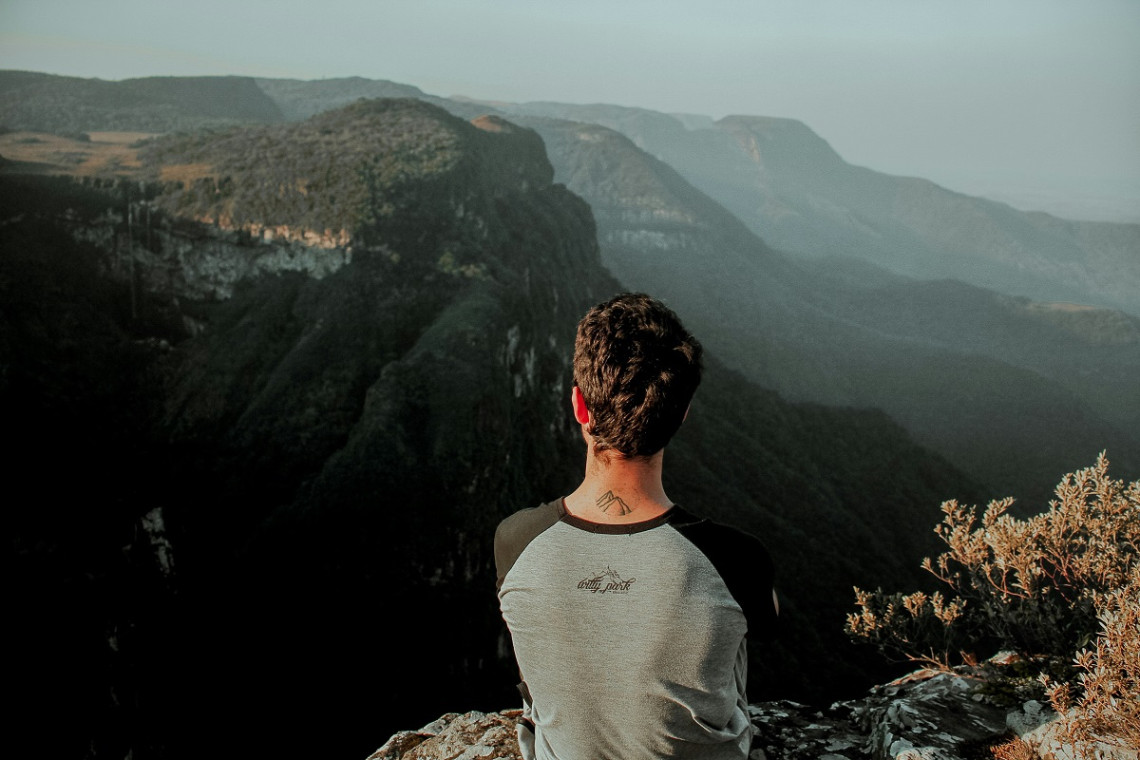
How to Plan the Perfect Wellness Retreat as a Solo Traveler
Solo wellness retreats work because they remove the noise. No compromises on timing, no debates about which spa treatment to book, no guilt about spending the afternoon reading instead of sightseeing. The experience becomes entirely yours to design.
Wellness tourism will hit $2,727.5 billion by 2034, proving that people increasingly value their mental and physical health as non-negotiable investments. Americans now take up to 5 solo trips annually, signaling a cultural recalibration toward intentional solitude.
Combine solo travel with wellness, and you get a soothing cocktail of self-discovery and restoration. Today, we will help you plan a wellness retreat that delivers genuine renewal, not just expensive cucumber water.
Contents
Choose the Right Location for Complete Tranquility
The right location sets the stage for your retreat’s success. Feeling burned out from back-to-back meetings? Look for places emphasizing silence and minimal structure. Recovering from a difficult period? Seek programs with guided therapy or counseling components.
Physically depleted? Consider natural hot springs destinations or beachfront properties where the environment itself promotes healing.
Most people choose retreats based on aspirational goals rather than current reality. A high-intensity bootcamp sounds appealing until you realize your nervous system needs gentle walks, not 6 a.m. HIIT classes.
Some spots are designed specifically for digital detoxes, which is a great option if you really want to disconnect. After all, the goal is to step away from your everyday life and immerse yourself in an environment that supports your journey. Your retreat, your rules, your perfect escape.
Book Your Transportation in Advance
You don’t want to arrive exhausted and then figure out how to reach your retreat, believe us. The best option would be to ask your hotel or retreat center to arrange airport pickup. They usually have vetted drivers and know the routes well. The next best option is public transportation if available. Buses and trains can get you there at a much more affordable rate.
Taking an Uber is convenient, but if you’re a woman traveling solo, exercise caution. According to TorHoerman Law, over 2,700 lawsuits have been filed against Uber in state and federal courts.
Sexual assault incidents have prompted these Uber lawsuit claims. Should you experience any safety issues, consider reaching out to an attorney who can help you navigate your options. You can avoid all that stress by simply pre-booking a trusted transfer service before you leave home.
Now, if you’re planning a road trip and driving yourself, that long drive can become part of the wellness experience. Map your route ahead of time and identify rest stops every two hours. Download podcasts or playlists that match the mood you want to cultivate.
Pack healthy snacks and plenty of water so you’re not forced into gas station junk food. The solitude of a long drive gives you time to mentally transition from work mode to retreat mode. Just make sure your car is serviced before you leave and share your route with someone back home.
Plan Your Activities Around Balance
Retreats offer dozens of activities, and the temptation to pack your schedule is real. Resist it. Choose three to four core activities that genuinely appeal to you and leave space between them. Morning meditation, an afternoon cooking class, and evening journaling. That’s plenty.

Forest bathing, or Shinrin-yoku as the Japanese call it, deserves a spot on your list if the retreat offers it. Walking slowly through wooded areas while consciously engaging your senses has a calming effect that lingers for days. The practice lowers cortisol levels and helps reset your nervous system in ways a gym workout simply can’t replicate.
Mix active and passive experiences throughout your stay. A sunrise hike one day, a sound bath the next. Your body and mind need variety, but they also need time to integrate what you’re experiencing.
Overscheduling defeats the entire purpose of going on a retreat. Some of your most restorative moments will happen in the unplanned gaps between activities, sitting with tea or watching the sunset without an agenda.
Pack Light but Pack Smart
Bring less clothing than you think you need. Most retreats have laundry facilities, and you’ll likely spend half your time in yoga pants and comfortable layers anyway. Three or four versatile outfits work fine for a week-long stay.
What matters more is packing items that support your specific wellness goals. A good journal, if writing helps you process emotions. Comfortable walking shoes if you plan to explore trails. Your own pillow, if sleep quality makes or breaks your recovery. Noise-canceling headphones for the flight and any moments when you need to create your own quiet space.
Skip the electronics except for your phone and maybe a tablet for reading. Even then, limit phone use as much as possible during your retreat. Increased screen time has a negative impact on the adult brain, affecting everything from sleep quality to emotional regulation.
You’re on a wellness retreat, so give your mind a real break from constant digital stimulation. Bring a refillable water bottle, any supplements or medications you take regularly, and sunscreen, regardless of the climate. Travel light, and you’ll feel lighter.
Key Elements to Look for in a Solo Wellness Retreat
A great wellness retreat offers more than scenic views and healthy meals. Look for these elements to ensure your solo experience delivers real value and supports your recovery goals.
- Flexible scheduling: Programs that let you opt in or out of activities give you control over your own pace, energy levels, and personal preferences throughout your stay.
- Qualified practitioners: Verify that massage therapists, yoga instructors, and counselors have proper certifications and substantial experience in their respective fields before booking any sessions with them.
- Nutritious meal options: Fresh, whole-food menus designed around dietary needs and preferences fuel your body properly without making you feel restricted, deprived, or limited in your choices.
- Quiet spaces: Designated areas for solitude and reflection matter just as much as group activities when you need genuine mental rest, processing time, or simply moments of peaceful silence.
- Safety measures: Well-lit pathways, secure room locks, and 24-hour staff availability create peace of mind for all guests, especially important for solo women travelers exploring unfamiliar locations.
- Accessible amenities: Saunas, pools, hiking trails, and relaxation areas should be easy to reach without complicated scheduling, additional fees, or needing to coordinate with other guests first.
- Community without pressure: Optional group meals or activities let you connect with others when you want company without forced social interaction, awkward icebreakers, or mandatory participation requirements.
A Trip to Thank Yourself For!
A well-planned solo wellness retreat can reset your entire system in ways that weekend getaways never accomplish. You’ll gain perspective on problems that felt insurmountable and rediscover parts of yourself that got buried under daily responsibilities.
Choose your retreat thoughtfully, prepare practically, and show up ready to receive what the experience offers. The benefits extend far past your checkout date. Most people report feeling the positive effects for months afterward. This is preventive healthcare at its finest. Give yourself this gift and watch how it transforms your baseline state of being.
This article is written by a contributor to the site.

You May Also Like
Lamitan City Day Trip (Basilan): Travel Guide and Itinerary

Our Budget-Friendly Puerto Galera Island Hopping Tour