From Temples to Skylines: Discovering the Diverse Landscapes of Asia
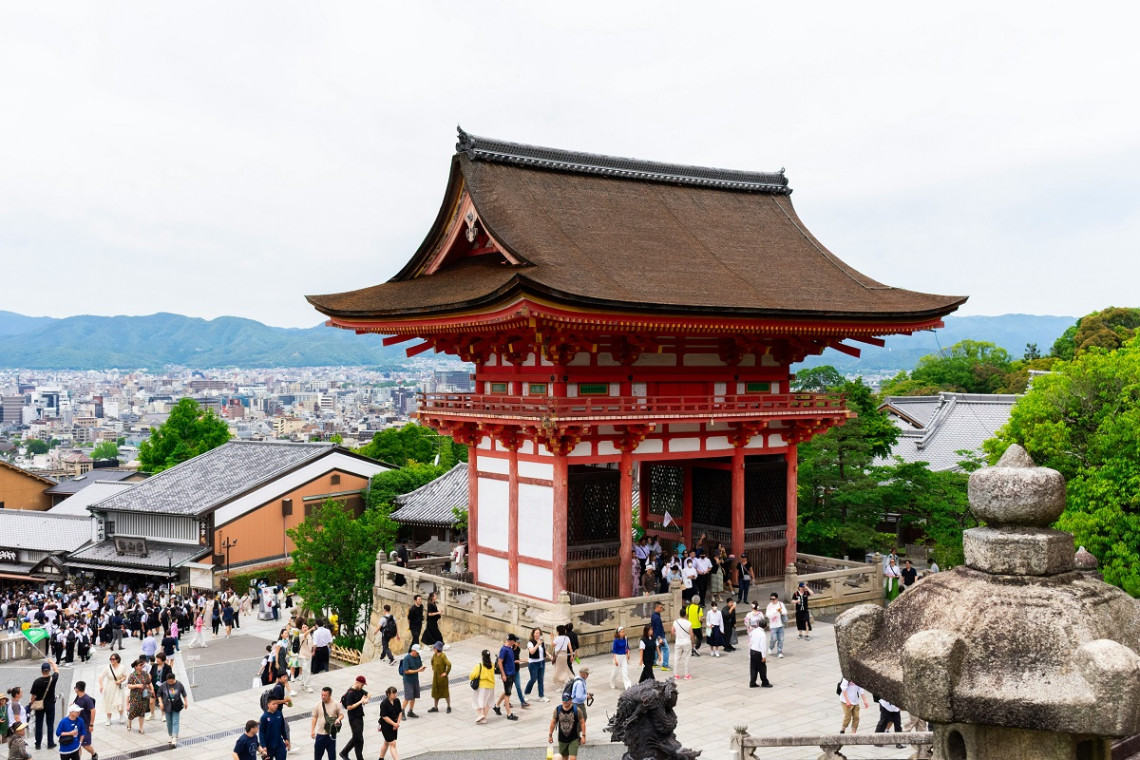
Asia is a continent of contrasts — a place where ancient temples rise beside futuristic skyscrapers, where mist-covered mountains meet neon-bright city streets, and where centuries-old traditions continue to shape cultures that evolve at dazzling speed. Travellers often say that Asia cannot be defined in a single image or experience; rather, it unfolds like a long, layered story, with each country offering its own rhythm, palette and personality.
From the peaceful courtyards of Kyoto to the dynamic streets of Seoul, from the tropical landscapes of Southeast Asia to the megacities of China, Asia’s landscapes are as diverse as its people. Exploring the region reveals both the quiet beauty of heritage and the bold ambition of modernity.
Contents
- Planning Your Journey Across Asia
- Japan: A Balance of Tradition and Tomorrow
- Before Heading Further East or South
- South Korea: Dynamic Cities and Deep Traditions
- China: Skyscrapers, Sacred Sites and Sweeping Landscapes
- Southeast Asia: Temples, Jungles and Lively Streets
- South Asia: Spirituality and Spectacle
- Central Asia: Silk Road Heritage
- Why Asia’s Landscapes Feel So Diverse
- Final Thoughts: A Continent of Discovery
Planning Your Journey Across Asia
For many travellers, a natural starting point is Japan, where the Tokyo to Kyoto train route provides one of the most scenic and efficient ways to experience the country’s cultural contrasts.
This iconic journey bridges two worlds: Tokyo’s ultra-modern skyline and Kyoto’s serene temples, gardens and traditional wooden townscapes.
Japan: A Balance of Tradition and Tomorrow
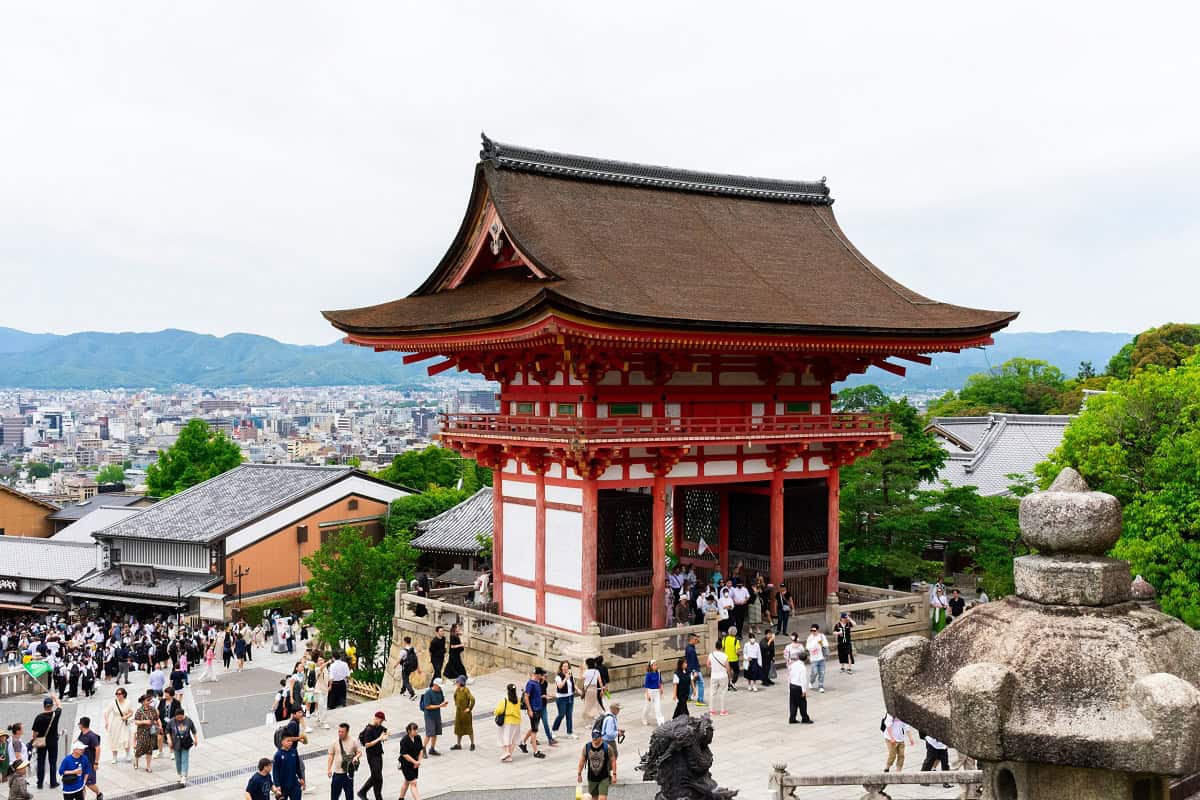
Japan presents a rare harmony between old and new. In Tokyo, cutting-edge design, contemporary art and high-tech innovation dominate the skyline. Neon signs illuminate districts like Shibuya and Shinjuku, where crowds move with purposeful energy.
Yet travel a few hours west and the atmosphere shifts entirely. Kyoto is a sanctuary of Japanese heritage, home to:
- Shinto shrines wrapped in forest paths
- Zen gardens raked to perfection
- Geisha districts filled with wooden machiya houses
- Seasonal highlights such as cherry blossoms and autumn leaves
Japan’s landscapes show how a country can embrace progress while preserving its soul.
Before Heading Further East or South
Travelers often find that Japan sets the tone for exploring the rest of Asia. It showcases how cities can be both efficient and emotionally resonant, and how traditions continue to thrive even in hyper-modern environments. This blend of old and new becomes a recurring theme as you journey across the continent.
South Korea: Dynamic Cities and Deep Traditions
Many travelers exploring East Asia continue their journey by securing Seoul to Busan train tickets, a fast and comfortable way to move between South Korea’s two most iconic cities.
The route reveals a nation that blends high-speed connectivity with rich cultural landscapes.
Seoul: A City That Never Stops Evolving
Seoul’s energy is unmistakable. Skyscrapers tower over historic palaces, and digital billboards cast rainbow reflections on the Han River at night. Yet in the quieter pockets of the city, you find hanok villages, teahouses and centuries-old craftsmanship.
Top highlights include:
- Gyeongbokgung Palace: Grand architecture set against mountain backdrops
- Bukchon Hanok Village: Traditional wooden houses preserved in the heart of the city
- Hongdae and Gangnam: Modern districts filled with fashion, nightlife and K-pop culture
Seoul represents South Korea’s bold creativity and its commitment to reinvention.
Busan: Where Mountains Meet the Sea
Busan, South Korea’s coastal gem, offers a completely different atmosphere. With beaches, mountain temples and bustling seafood markets, the city feels colourful and free-spirited.
Don’t miss:
- Haeundae Beach: Sun, sea and the city skyline
- Gamcheon Culture Village: Pastel houses painted in artistic murals
- Haedong Yonggungsa: A temple perched dramatically over the ocean
Busan’s landscapes bring together spirituality, art and maritime charm.
China: Skyscrapers, Sacred Sites and Sweeping Landscapes
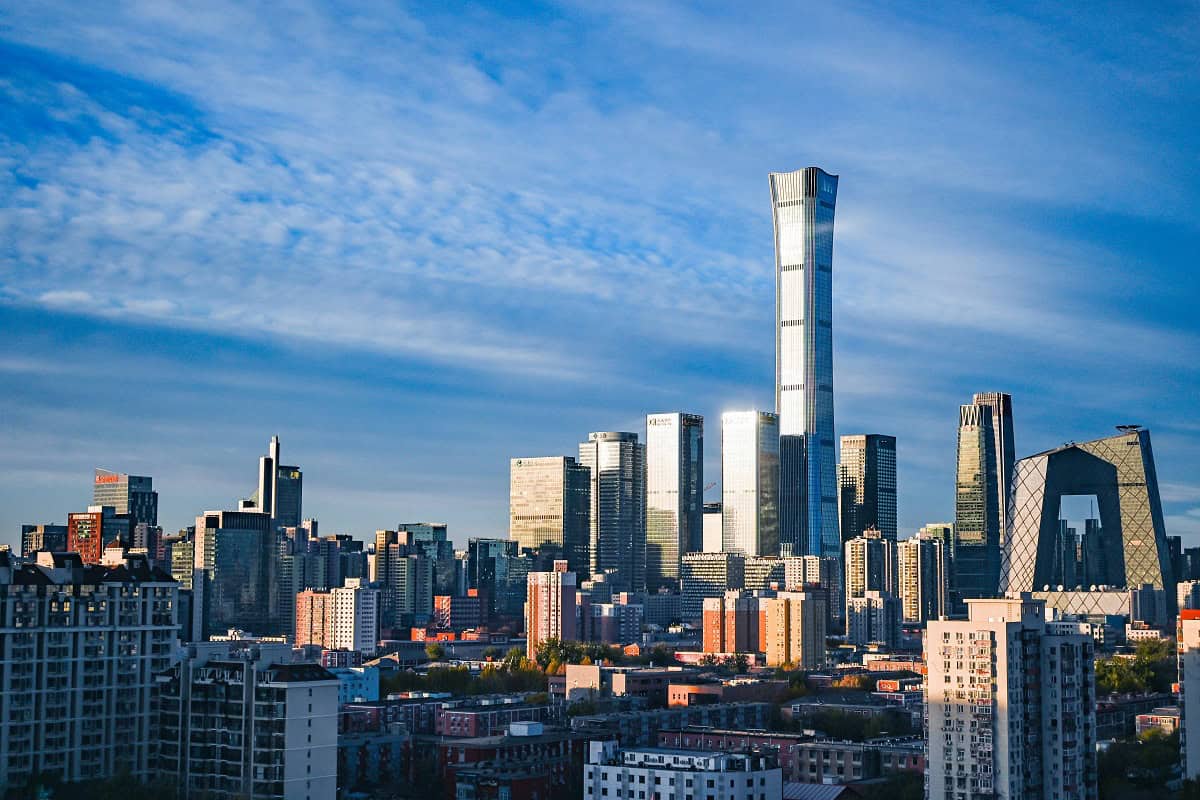
China’s vastness means that its landscapes shift dramatically from province to province.
Shanghai: A Glimpse of the Future
Shanghai is a symbol of China’s rapid modernisation. Its skyline glitters with futuristic skyscrapers, while the Bund offers a more nostalgic walk along colonial-era architecture. Galleries, cafés and design studios continue to transform the city into a global creative hub.
Beijing: Where History Breathes
In contrast, Beijing feels ancient and monumental:
- The Forbidden City preserves imperial heritage
- Hutong alleys showcase traditional courtyard living
- The Great Wall stretches over dramatic mountain ridges
Southeast Asia: Temples, Jungles and Lively Streets
Southeast Asia offers some of the most vibrant, colourful and immersive landscapes on the continent.
Thailand
Bangkok’s golden temples and floating markets sit beside soaring towers and sky bridges. Venture north and you’ll find Chiang Mai’s calm monasteries, misty mountains and artisan villages.
Vietnam
From the limestone pillars of Ha Long Bay to the lantern-lit streets of Hoi An, Vietnam blends raw natural beauty with heritage that feels deeply rooted in everyday life.
Cambodia
Angkor Wat remains one of the world’s most significant archaeological sites — a sacred place where history echoes through stone corridors and ancient fig trees.
Malaysia and Singapore
Kuala Lumpur’s multicultural energy, Penang’s food scene and Singapore’s futuristic Gardens by the Bay add flavour to any South Asian itinerary.
South Asia: Spirituality and Spectacle
South Asia offers its own dramatic landscapes and cultural richness.
India
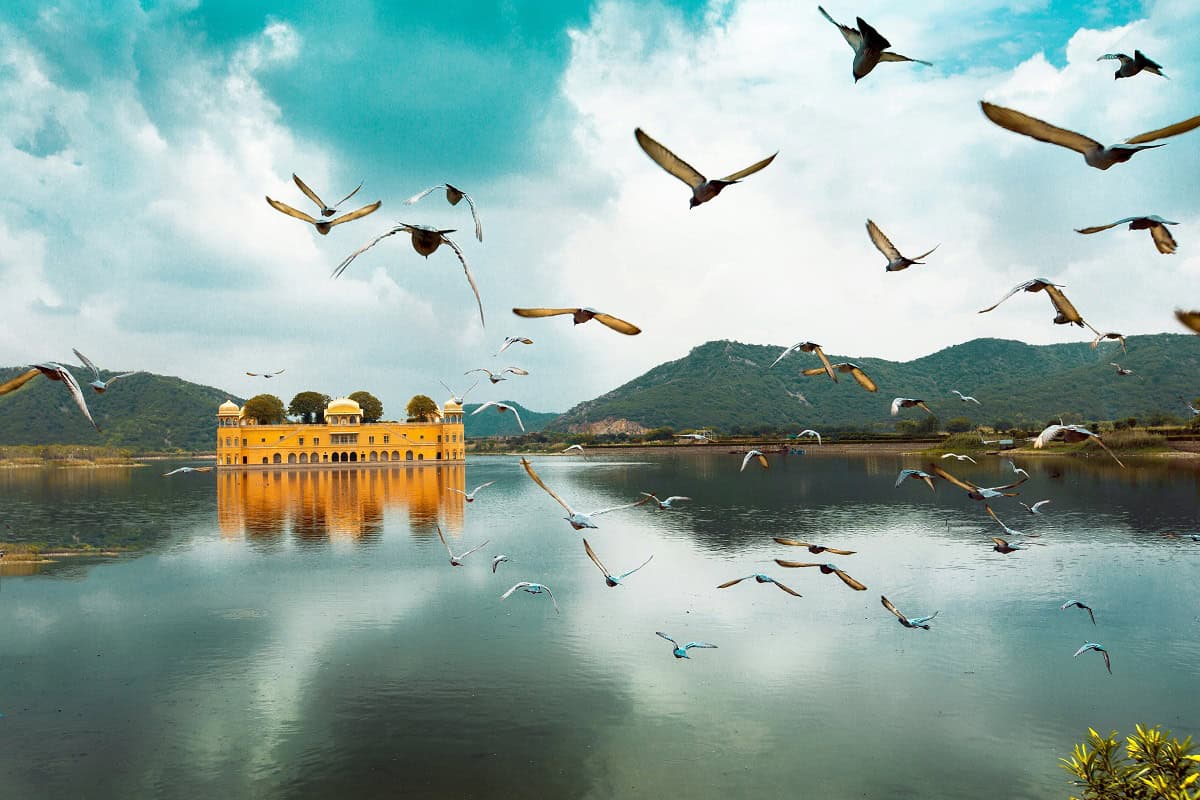
A country of immense diversity — deserts, rainforests, Himalayan peaks and bustling cities. Highlights include:
- Jaipur’s palaces
- Kerala’s backwaters
- Varanasi’s river rituals
India’s cultural depth is as vast as its geography.
Nepal
Home to the world’s highest peaks, Nepal captures the imagination with trekking culture, mountain monasteries and warm hospitality.
Central Asia: Silk Road Heritage
Central Asia remains one of the most underrated cultural regions in the world.
Uzbekistan
Samarkand, Bukhara and Khiva showcase exquisite architecture — turquoise domes, intricate tilework and ancient caravanserai.
Kazakhstan and Kyrgyzstan
These countries offer endless horizons, nomadic culture and dramatic mountain ranges perfect for adventurous travellers.
Why Asia’s Landscapes Feel So Diverse
Across Asia, diversity is not just geographical — it’s cultural, spiritual and sensory.
Travellers encounter:
- Contrast: City skylines beside ancient ruins
- Tradition: Festivals, handicrafts and rituals deeply tied to local identity
- Nature: Mountains, forests, deserts, islands and rice terraces
- Flavour: From sushi to kimchi to biryani, Asia’s cuisines are an adventure of their own
- Atmosphere: Calm temples, vibrant markets, peaceful villages and high-tech megacities
Asia’s landscapes tell stories — old stories, new stories, and everything in between.
Final Thoughts: A Continent of Discovery
Whether you’re following temple paths in Kyoto, wandering Seoul’s neon nights, climbing the Great Wall at dawn or drifting past limestone karsts in Vietnam, Asia offers journeys that feel deeply personal and endlessly fascinating.
It’s a continent where history is still alive, where traditions continue to shape everyday life, and where modernity emerges in dazzling forms. From sacred spaces to soaring skylines, from tropical islands to snow-covered peaks, Asia invites travellers to explore its contrasts — and to embrace the beauty hidden in every landscape.
Travel across Asia is not just about seeing places; it’s about feeling their spirit. And wherever your route takes you — from Japan’s bullet trains to Korea’s coastal cities — the journey will stay with you long after you return home.
Tara Lets Anywhere features voices from all over the world — travelers, writers, expats, and local experts who write, often from their own firsthand experience. We believe great stories have no borders, and our global contributors bring those stories straight to you.


You May Also Like
Bali Food Guide: 25+ BEST restaurants in Bali

Unique Seasons of Vietnam: Where to Go and What to Do