De-Influencing You: 5 Things You Don’t Need to Buy (And What to Do Instead)
Let’s be honest – retail therapy is a very real thing. When you’re feeling stressed, unhappy, or maybe even bored, it’s easy to give in and check out that item in the cart. And it doesn’t help that when you go online, you feed is filled with influencers encouraging you to get this new “life-changing” item, or new formulated skincare, or another aesthetic addition to your home. But what if you just… didn’t?
De-influencing is basically a movement against overconsumption. In this article, instead of telling you what to buy, we are listing items that you don’t need – and giving you practical alternatives and tips to save your money, declutter your life, and still feel like a million bucks.
Contents
What’s de-influencing, anyway?
De-influencing is about saying “no” to overhyped products and rethinking your spending habits. This initially went on trend around 2023 when creators in Tiktok and Instagram started posting content like “Things I’m Not Buying” or “Why I Ditched Trendy Stuff,” to call out items you don’t need to buy, expose marketing traps, and encourage you to reflect on your lifestyle.
This isn’t minimalism but about being a more conscious buyer. Personally, I believe that we should spend on ourselves, especially on things that will make us feel good or make our lives better in some way. But there’s a thin line between investing in ourselves and wasteful spending, especially when it’s buying things that we know we’ll only use a few times or will be stock in the closet, like clothes that are one or two sizes smaller or worn only on specific occasions. The list goes on and on.
De-influencing resonates with a lot of us because we are tired of being sold too or even living in cluttered spaces. And if this is you, here are some things that you can skip the next time you go shopping.
Things you don’t need to buy
1. Designer water bottles
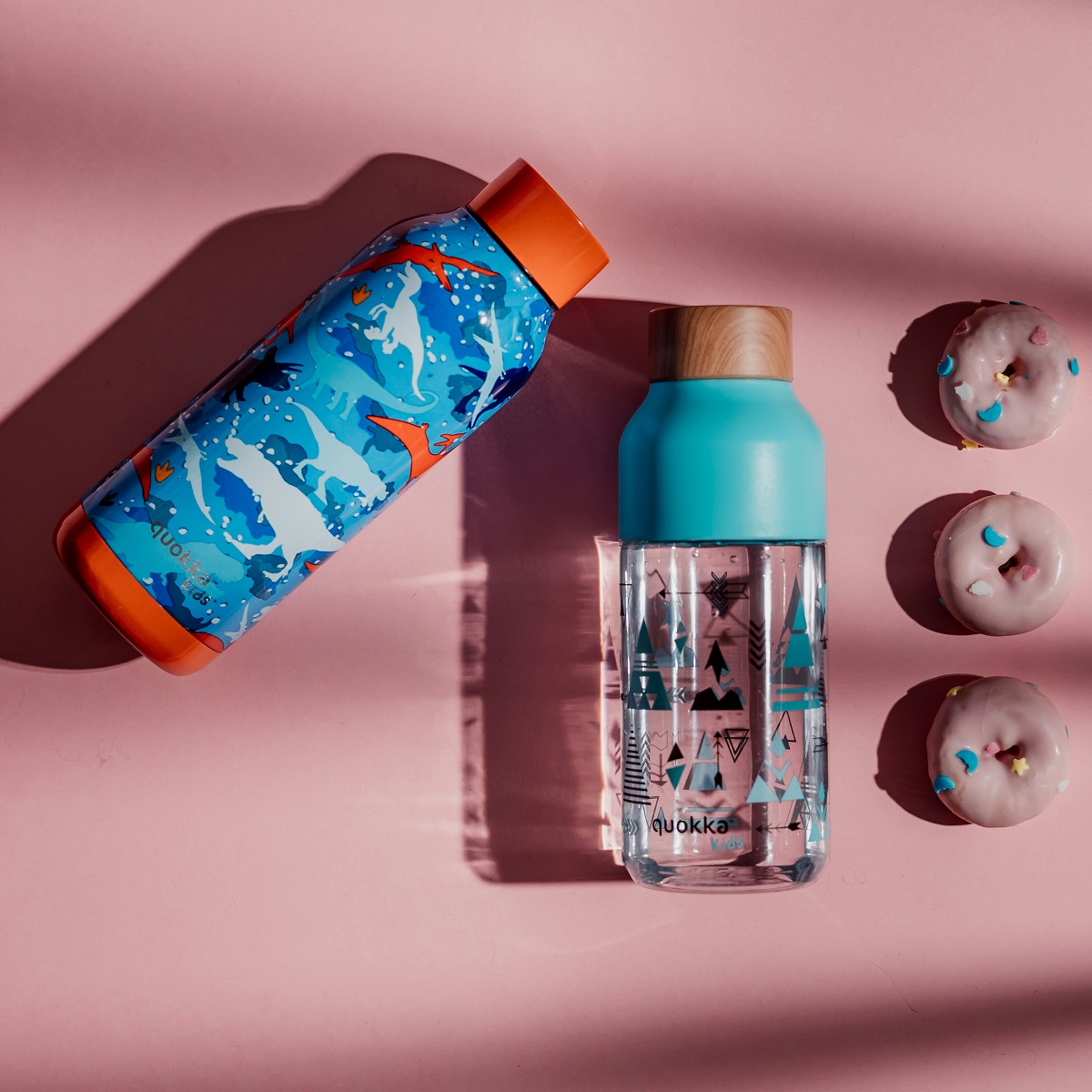
As a millennial, I am more than happy to see the trend of having a reusable water bottle or tumbler when people go out because it means reducing environmental waste.
But do you honestly need a collection of water bottles with different designs? The thing is, you don’t have to line up every time Hydroflask or Starbucks puts out a new design.
It is reasonable to have multiple water bottles if you put one at home, at the office, or whenever you go out. Otherwise, one is often enough. What’s happening today is that water bottles become a part of the outfit and as such need to change as often. This “hydration aesthetic” that we are seeing today is just a marketing strategy to make you think you need a status symbol to stay hydrated.
Alternative: Use the one you already own. If you want to jazz it up, decorate it with stickers for a personalized vibe.
2. Trendy fashion hauls
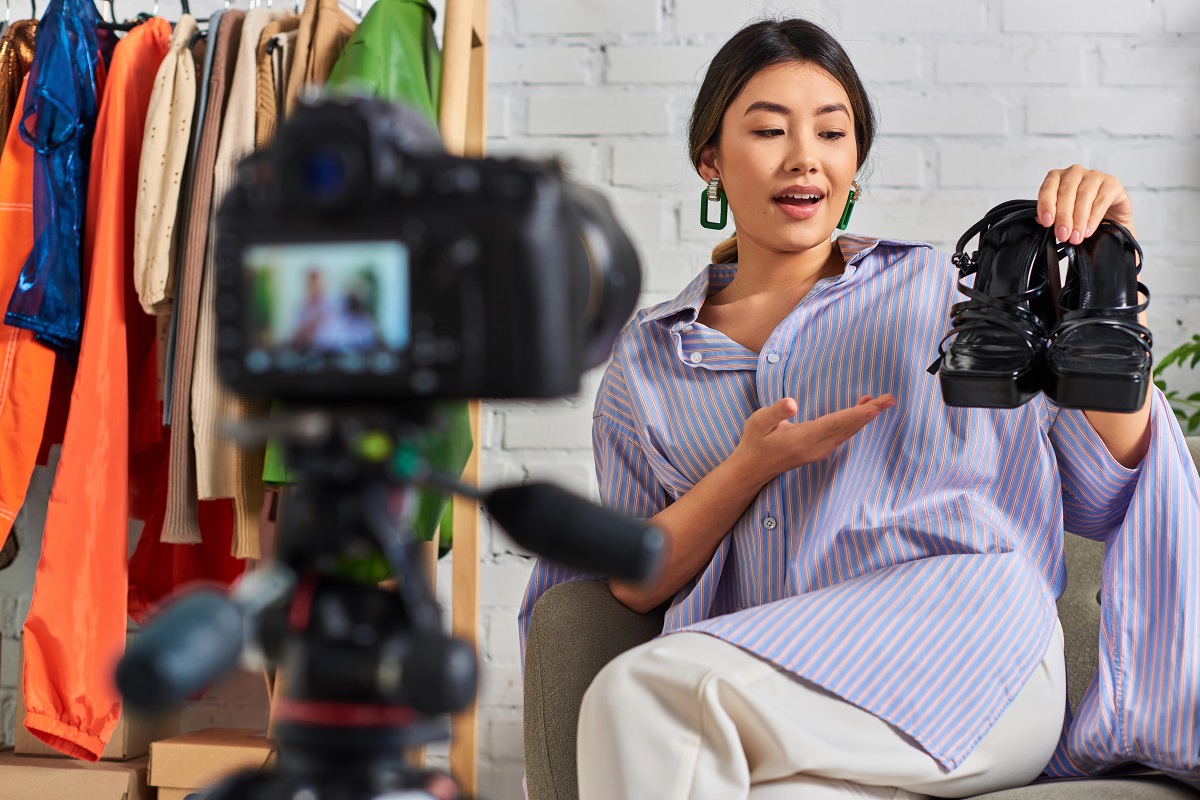
Social media will make you believe that you need to have a new outfit every time you go out. In the Philippines, this list includes “must-have” trendy pieces, overhyped athleisure, and Western-inspired outfits that don’t really suite the tropical climate that we have.
Alternative: Build a capsule wardrobe with timeless, versatile pieces like cotton shirts, button-downs, straight cut jeans, shorts, and linen dresses. Mix and match and add accessories to create “new” outfits. Learn basic sewing to mend or upcycle old clothes into something fresh.
If you do need to shop, browse local brands or shop second-hand via platforms like Carousell. Tip: For Filipinos like me, aim for quality fabrics that withstand humidity including natural materials such as cotton and linen.
3. Makeup palettes and collections
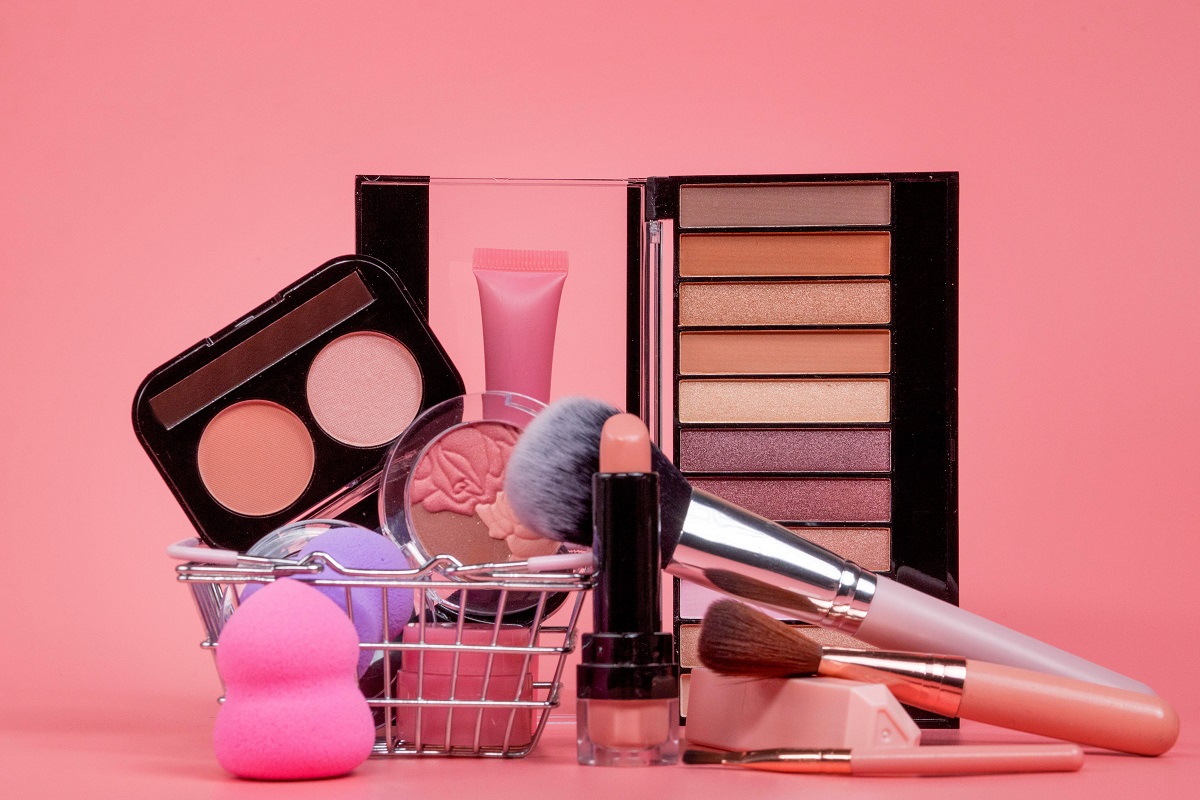
It’s easy to get sucked into buying influencer favorites like limited-edition eyeshadow palettes or full-face sets. But be honest with yourself: Are you going to use these, or are these just going to be stored in your drawer? Do you get empties or just a pile of products piling up?
Alternative: Stick to multi-purpose staples, like a neutral palette or tint that works for eyes, cheeks, and lips. Tip: Conduct a “project pan” challenge. Use up what you own before buying more, and blend shades creatively to mimic trends without new purchases.
4. Desk accessories
For freelancers who work at home, it is easy to get obsessed to making your desk as aesthetic as possible. It’s tempting to splurge on stuff like cute pen holders, custom keyboards, aesthetic desk mats that will “elevate” your work space, or “productivity” items like premium planners or extra monitors. But do you really need them for your WFH setup?
Alternative: Audit your setup and what you need. An ergonomic chair, good laptop/computer and reliable connection, and noise-canceling headphone are must-haves, but other desk accessories are often more about looks than function.
If possible, prioritize natural light in your work station as it makes a big difference. Also, join freelance communities online for shared WFH tips.
5. Subscription services
In a world of endless streaming services, food apps, fitness apps, and other monthly subscription services, it’s easy to accumulate subscriptions that go unused. Many people sign up for services during free trials or promotions, only to forget about them, letting small charges pile up over time. These unneeded subscriptions can quietly drain your budget, often for content or features you rarely, if ever, use.
Alternative: Cancel any service you haven’t used in the past 30 days and consider sharing accounts with family or friends for essentials like streaming platforms to cut costs without sacrificing access.
How to Make De-Influencing Work for You
Curious about de-influencing? Here’s how it can work for you:
- Audit your stuff: Take a good, hard look at what you already own. De-influencing starts with appreciating what you have and realizing you probably don’t need more.
- Have a social media detox: Honestly, going on an online media detox every now and then is good for your mental health and your wallet too. Instead of endlessly scrolling through OOTDs, GRWMs, and hauls, allocate your time to other things instead.
- Try a no-buy challenge: Commit to a month without buying non-essentials. Track your savings and see how much you don’t miss impulse buys.
- Question the hype: Always be skeptical about influencer reviews you see online. Check reviews from real people and wait 48 hours before clicking that “add to chart.” Most of the time, the urge passes.
- Don’t feel bad about budgeting: Some people are doing well, while some are living paycheck-to-paycheck. Whatever your situation is, know that budgeting is totally normal. It’s okay if you don’t have that latest trending item you see online or if you’re tracking your expenses and saving. Budgeting is a responsible thing to do and you should be proud of yourself.
In a world where people are encouraged to engage in overconsumption, de-influencing feels like an empowered choice to finally say “no,” especially when it comes to unnecessary stuff. At the end of the day, it is about freedom – freedom from the pressure to keep up with influencers, from clutter, and even from debt.
What do you think about de-influencing? What specific items would you encourage others to skip buying? Let us know in the comments below!
Note: Featured image source.

Katherine Cortes is a work-from-home freelancer. She likes beaches, snorkeling trips, and relaxing staycations (preferably with bath tubs). When not on the road, she stays at home with five cats.


You May Also Like

11+ Helpful Tips to Stay Committed to Your Budget

Stars and Crowns in One Spectacular Night: The Filipino Festival