Glistening Danube Bends and the Golden Grain Fields of Pannonia: Riverine Transitions
Where the River Turns
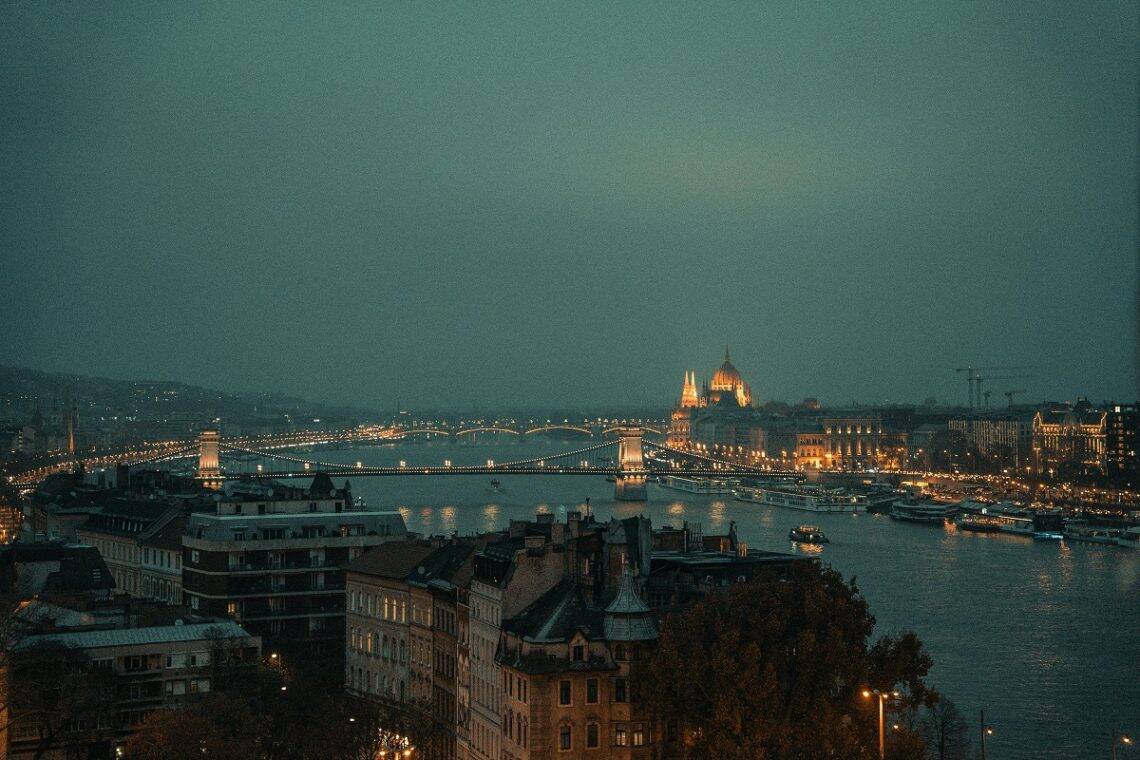
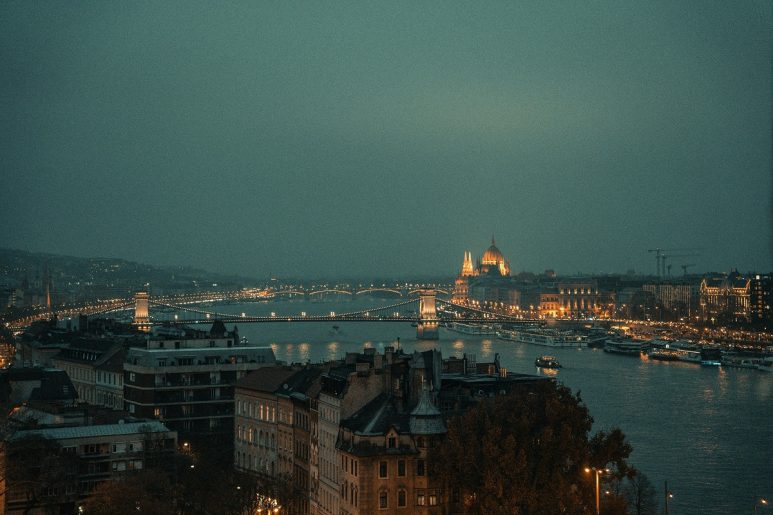
The Danube does not follow a straight line here. It bends, then bends again, widening in some places, narrowing in others, without announcing the change. From above, the curve is more visible. From the ground, it feels gradual, almost unnoticeable until it has already happened.
The surface holds light unevenly. Some sections reflect the sky clearly, others break it into fragments. The movement of the water is steady, though it rarely draws attention to itself.
What the Water Keeps
Along a small platform near the edge, a timetable briefly shows the train from Budapest to Vienna, the text fading as the display shifts. It remains only for a moment, then gives way to something else.
Standing near the bank, the distance across the river feels uncertain. It appears close, then slightly further away, depending on where you stand. The opposite side does not hold still. Trees and slopes shift in relation to each other as you move.
There are points where the river seems to slow, though it never fully does. It continues in a way that does not require notice.
Boats pass without leaving much behind. A small disturbance, then the surface returns.
Between One Curve and the Next
Walking along the bend, it becomes difficult to mark where one section ends and another begins. The change is continuous. One view blends into the next without interruption.
The ground near the water shifts slightly underfoot. Stones, patches of grass, areas worn smoother than others. Nothing feels fixed for long.
You continue without choosing a direction. The river holds the path without defining it.
Movement That Extends
Later, or somewhere beyond the bend, the sense of movement continues in another form. Not as a departure, more as a continuation that has taken a different shape.
On a passing board inside a station, the route for the train from Prague to Vienna appears briefly before being replaced. It does not stand out. It simply exists within the flow.
Distance becomes less precise. Places seem connected without needing to be separated clearly.
Where the Land Opens
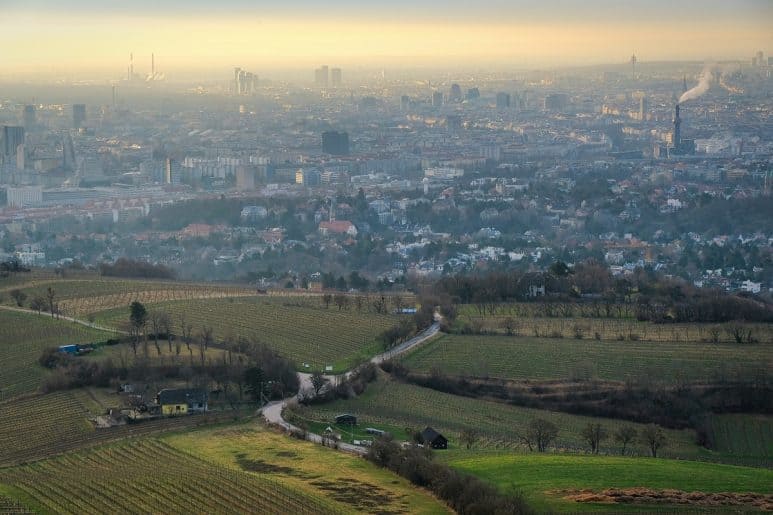
The fields of Pannonia do not begin sharply. They expand outward, gradually replacing the density near the river with open space. The ground flattens, stretching further than expected.
The color shifts almost without notice. Greens give way to tones of gold, depending on the season, though even that change feels slow.
Wind moves across the fields without interruption. It doesn’t alter direction suddenly. It passes through, steady, like something already in motion.
Along the Surface of the Fields
There are few vertical markers here. The absence becomes noticeable over time. The horizon remains low, allowing the sky to take up more space.
Light settles differently than it does near the river. It spreads wider, without being broken into reflections. The fields hold it, then release it again as it shifts.
You walk without needing to adjust much. The ground remains consistent, though not entirely the same.
What Repeats Without Pattern
Over time, sections of the landscape begin to resemble one another. Not exactly, but enough to feel familiar. A stretch of field that echoes another. A bend in the river that seems already passed.
It is not repetition. It is variation within something continuous.
Moments overlap slightly. They do not separate into clear points.
The Space Between
The movement between river and field does not feel like a transition. It feels like an extension. One form gives way to another without a clear dividing line.
Differences exist, but they do not define the experience. They remain alongside each other.
Travel continues this pattern. It does not interrupt it.
Where It Doesn’t Settle
Toward the end, if it can be called that, the images begin to overlap. The curves of the river. The open stretch of the fields. The movement that carries through both.
None replaces the other. They remain connected, though not in a fixed way.
There is no single moment that brings everything together. The elements stay separate, but not distant.
And then it continues. Not toward a conclusion. Just onward, in the same quiet way it began.
What Stays Without Holding
Even after moving on, the shapes don’t fully separate. The curve of the river returns in fragments. The fields appear as stretches of color rather than defined places. They don’t settle into a single image. They remain slightly apart, as if still shifting.
Details become less exact over time. Not lost, just less fixed. The surface of the water, the line of the horizon—both stay present without needing to be precise.
After the Movement
There isn’t a clear point where it ends. The sense of continuation remains, even when the landscape is no longer in view. One place folds quietly into another, without marking where the change occurred.
And later, or somewhere else entirely, it feels like it could begin again. Not in the same way. But not entirely different either.
Tara Lets Anywhere features voices from all over the world — travelers, writers, expats, and local experts who write, often from their own firsthand experience. We believe great stories have no borders, and our global contributors bring those stories straight to you.


You May Also Like

A Foodie’s Guide to Dublin: Where to Eat, Drink, and Stuff Your Face Without Regret
5 BEST Destinations for Expat Travel in Spain