

Remote Work: 7 Best Places for Digital Nomads in Thailand
With the rise of remote work and ecommerce, it’s now possible to live and work in Thailand. One of the most beautiful countries in Southeast Asia, Thailand is a great hotspot for digital nomads for several reasons.
First and foremost, it is affordable compared to Western countries, so you can stretch your budget while enjoying good quality of living. It also has numerous cities with reliable and modern infrastructure, including high-speed internet and co-working spaces that cater specifically to digital nomads. Moreover, you can join a thriving digital nomad community where you can meet and connect with similar people via meetups and events. You can enjoy all of these while experiencing the rich culture, delicious cuisine, and stunning natural landscapes in Thailand.
Why Choose Thailand for Digital Nomads?

Thailand offers a balance of affordability and modern infrastructure, plus a vibrant culture — all of which makes it a top destination for remote workers. Key advantages include:
- Low cost of living: Monthly expenses can range from $800-1500 USD, depending on location and lifestyle.
- High-speed internet: Average speeds of 50-200 Mbps in major cities like Bangkok and Chiang Mai.
- Digital nomad communities: Active meetups and coworking spaces foster networking and collaboration.
- Diverse landscapes: From urban hubs to tropical islands and mountain retreats, there’s something for every nomad.
Best Places for Digital Nomads in Thailand
Here we’ve compiled the best places for digital nomads in Thailand.
1. Bangkok
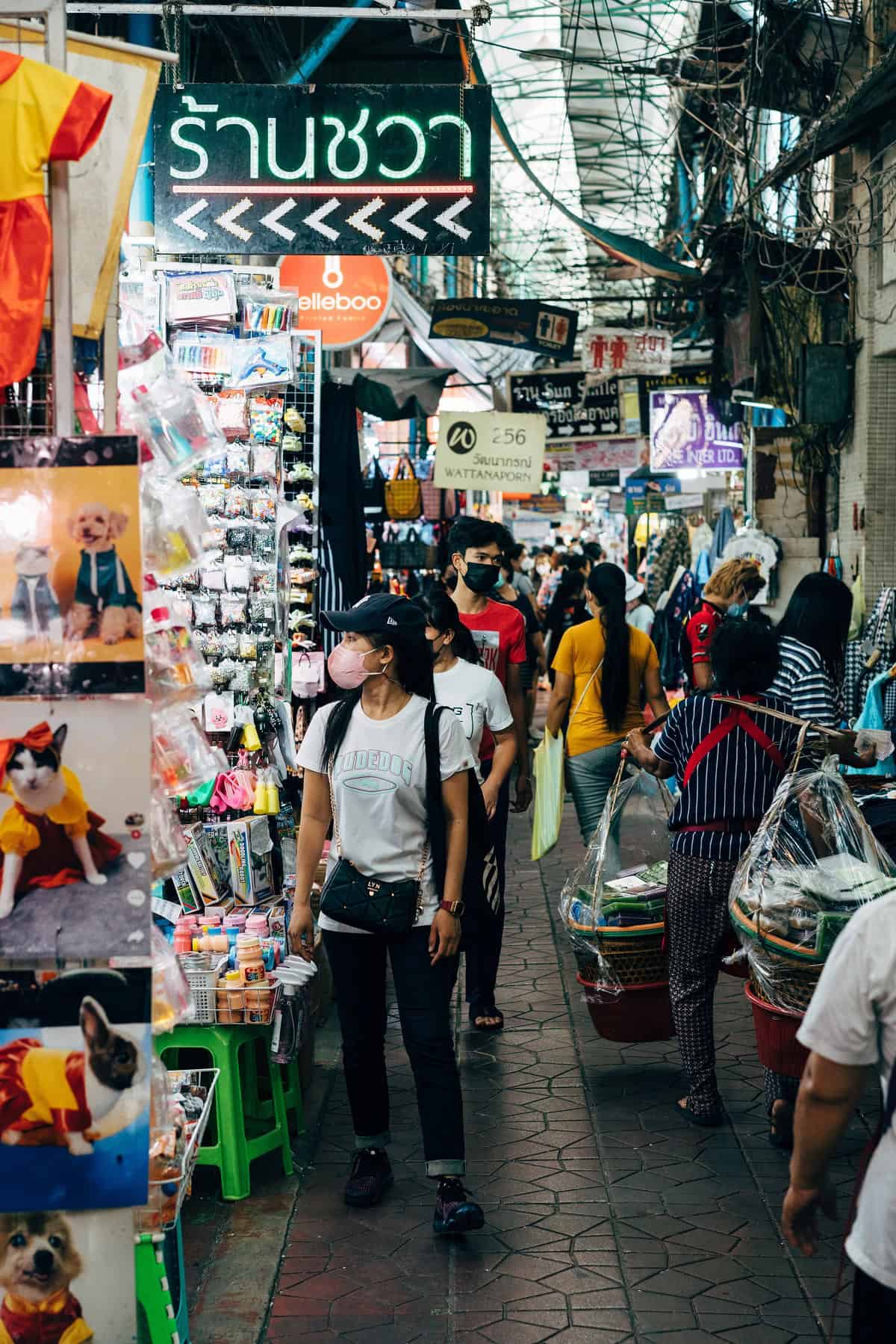
The capital of Thailand, Bangkok is a metropolitan area and a beehive of social, economic, and political activities. In 2024, it was ranked by The Instant Group as the top city in Asia for digital nomads and third globally, behind Lisbon and Austin.
Digital nomads staying in this city can enjoy affordability, broadband speed, good weather and scenery, and easy transport within and to neighboring cities and towns. Bangkok also has excellent cuisine, street food, and bars including one of the best rooftop restaurants in Bangkok. Those who love going out for drinks and socializing will also love staying here as it is offers some of the best nightlife in Thailand.
Pros:
- Coworking spaces: Popular spots like WeWork All Seasons Place and The Great Room offer modern facilities (starting at 3000 THB/month).
- Transport: BTS Skytrain, MRT, and Grab make commuting easy (fares from 15-50 THB).
- Accommodation: Budget hostels from 300 THB/night; apartments from 10,000 THB/month.
Cons:
- Traffic congestion and air pollution during peak seasons.
- Fast-paced urban lifestyle may not suit everyone.
2. Chiang Mai
Known as the cultural capital of Northern Thailand, Chiang Mai is a laid-back city with a low cost of living, making it ideal even for digital nomads who are just starting out. Similar to Bangkok, many consider this to be one of the best cities for digital nomads.
It offers plenty of affordable accommodations, amazing food, and great cafes and co-working spaces. As a cultural hub, it offers a range of festivals, temples, and museums — not to mention the beautiful waterfalls and mountains that you can explore on your free days. Chiang Mai also has an international airport which makes traveling easy, and it is walkable and easy to get around.
One of the cons about staying in Chiang Mai as a digital nomad is that it is far from the beaches.
Pros:
- Cost of living: Monthly expenses as low as 20,000-30,000 THB ($550-850 USD).
- Coworking spaces: Punspace and CAMP Maya are nomad favorites (from 2500 THB/month).
- Community: Regular meetups via Digital Nomads Chiang Mai Facebook group.
Cons:
- Far from beaches (requires a flight or long bus ride).
- Burning season (February-April) can affect air quality.
3. Phuket
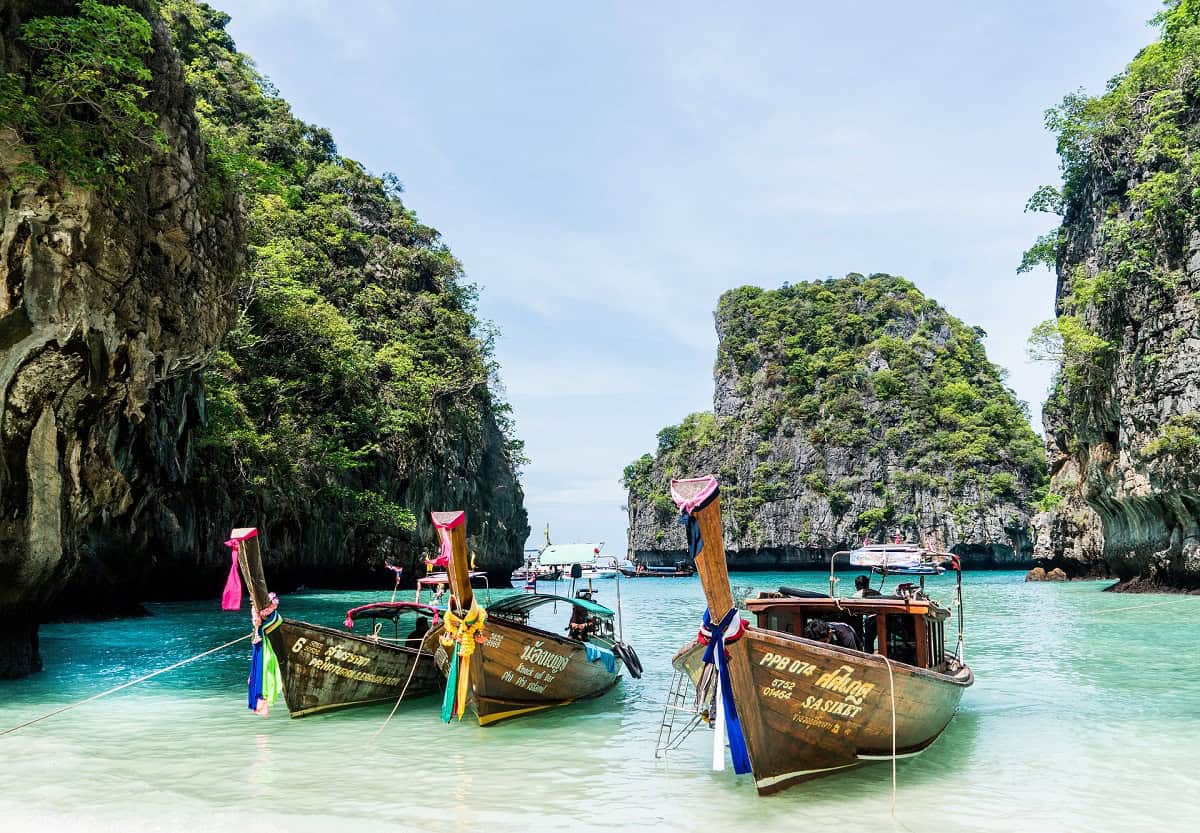
The largest island in Thailand, Phuket attracts millions of visitors annually and is also one of the best places for digital nomads in Thailand. It is a great option for those who want to spend their rest days on the beach. It is also home to charming cities, every commercial establishment that you need, and amazing cuisine, ranging from cheap street food to 5-star restaurants.
There are several digital nomad communities in Phuket. The most popular ones are located in Patong, Kata, Karon, and Kamala. Rawai is also a good choice for those who prefer less touristy vibes. Chalong Bay is another great area though more expensive compared to others.
It is home to different community hubs that offer accommodations, from short- or long-term apartments to luxury villas.
Pros:
- Beaches: Patong and Kata offer stunning coastal views.
- Coworking spaces: Homa Phuket and Regus Phuket provide reliable workspaces (from 4000 THB/month).
- Accommodation: Apartments from 12,000 THB/month; villas from 20,000 THB/month.
Cons:
- Higher cost of living compared to Chiang Mai (30,000-50,000 THB/month).
- Tourist crowds during peak seasons (November-February).
4. Koh Phangan
This island in the Gulf of Thailand is a popular destination for digital nomads who want to escape the city and enjoy a more relaxed, tropical lifestyle. Here you can enjoy the most amazing beaches in the country, magnificent jungle landscapes, and even fantastic night life with the famous Full Moon Party held every month.
Koh Phangan offers plenty of low-cost accommodations spread throughout the island. Due to its affordability, most digital nomads here rent a bungalow in the traditional style or Western design.
Pros:
- Cost of living: Budget-friendly at 20,000-35,000 THB/month.
- Coworking spaces: The Hub Koh Phangan and La Casa offer reliable Wi-Fi (from 2000 THB/month).
- Lifestyle: Ideal for yoga retreats and wellness-focused nomads.
Cons:
- Limited public transport; scooters are the main mode (rentals from 200 THB/day).
- Internet can be inconsistent during peak tourist seasons.
5. Koh Samui
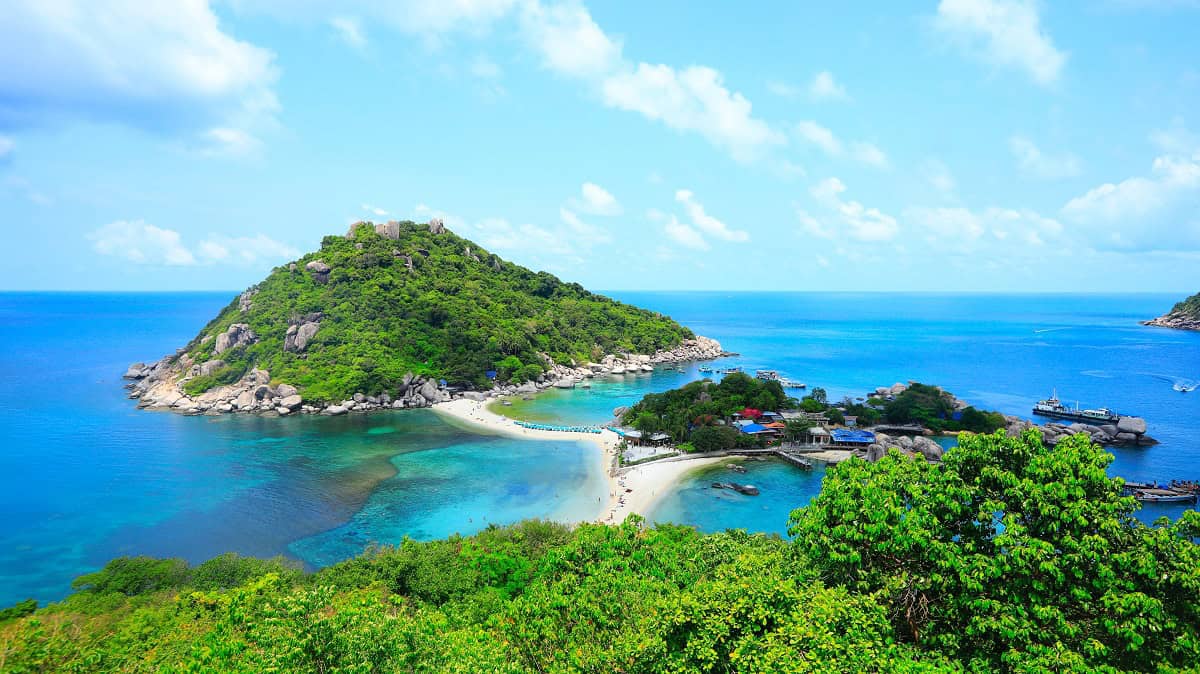
Another island in the Gulf of Thailand, Koh Samui offers a more luxurious lifestyle with high-end accommodations and amenities. However, if you are a on a budget, worry not — there are affordable one-bedroom apartments and other living spaces you can find in the island.
Koh Samui is home to stunning white-sand beaches. From here, it’s also easy to visit the neighboring islands of Koh Tao and Koh Phangan. While there are limited co-working spaces in Koh Samui, it has plenty of cafes and restaurants with high-speed internet as well as good food.
Pros:
- Accommodation: Budget apartments from 10,000 THB/month; luxury villas from 25,000 THB/month.
- Connectivity: Ferries to Koh Phangan and Koh Tao (500-1000 THB round-trip).
- Cafes: The Coffee Club and About Cafe offer reliable Wi-Fi.
Cons:
- Fewer dedicated coworking spaces compared to Bangkok or Chiang Mai.
- Higher costs during peak season (December-March).
6. Pai
A small town in Northern Thailand, Pai is ideal for digital nomads who want to enjoy a more relaxed lifestyle in the mountains. It is often described as a hippy town, but its reliable internet speed and great café choices for working and chilling also make it a good option for remote work. Aside from its laid-back scene, it offers various outdoor attractions you can do on weekends including hot springs, waterfalls, and mountain trekking.
There are a few disadvantages in staying in Pai. For one, it has no local or international airport and can only be reached by a 3-hour bus ride from Chiang Mai. It also has no big shopping malls or stores or Grab transport.
Pros:
- Cost of living: Very affordable at 15,000-25,000 THB/month.
- Cafes: Art in Chai and Coffee in Love are popular for working (Wi-Fi speeds 30-50 Mbps).
- Nature: Close to Pai Canyon and Mo Paeng Waterfall.
Cons:
- No local or international airport; requires a 3-hour bus ride from Chiang Mai (200-300 THB).
- Limited shopping malls, stores, or Grab transport.
7. Hua Hin
Hua Hin is a coastal town located south of Bangkok that offers a quieter lifestyle for digital nomads. Although is it a bit more expensive compared to other cities and towns in this list, Hua Hin is a worthwhile option for its beautiful soft-sand beachfront, laid-back ambiance, and convenience. It is home to affordable and high-end condo units, commercial stores and restaurants, and cafes with high-speed internet.
Pros:
- Accommodation: Condos from 15,000 THB/month; luxury units from 25,000 THB/month.
- Coworking Spaces: The Hive Hua Hin offers modern facilities (from 3000 THB/month).
- Accessibility: 3-hour drive or train from Bangkok (train fares 50-200 THB).
Cons:
- Higher costs than Chiang Mai or Pai (25,000-40,000 THB/month).
- Smaller digital nomad community compared to Bangkok or Phuket.
Cost of Living for Digital Nomads in Thailand
Thailand remains one of the most affordable destinations for digital nomads. Here’s a breakdown of monthly expenses (in THB):
- Accommodation: 10,000-25,000 (budget apartments or hostels); 25,000-50,000 (luxury condos or villas).
- Food: 5,000-10,000 (street food and local eateries); 10,000-15,000 (Western restaurants).
- Transport: 1,000-3,000 (public transport or scooter rentals).
- Coworking spaces: 2,000-5,000 (optional, as cafes often suffice).
- Total: 18,000-50,000 THB ($500-1400 USD), depending on location and lifestyle.
Pro tip: Use apps like Grab for affordable rides and FoodPanda for food delivery to manage costs.
Getting a Thailand digital nomad visa
As of 2025, Thailand offers a Destination Thailand Visa (DTV), which is suitable for digital nomads. If you want to do remote work in Thailand, you have several visa options:
- Smart Visa: Aimed at entrepreneurs and high-skilled professionals, it grants up to 4 years. Stringent conditions include an annual income of $80,000, at least 5 years’ experience, and employment with a company generating $150 million in revenue over 3 years. Costs 10,000 THB/year.
- Tourist Visa: Allows a stay of 60 days, extendable by 30 days (total 90 days). Costs around 2000 THB (updated 2025 rates).
- Destination Thailand Visa (DTV): Introduced in 2024, this visa allows a stay of up to 180 days per entry (valid for 5 years, multiple entries). Requirements include proof of remote work or freelance income (minimum 80,000 THB/month) and a processing fee of 10,000 THB.
Overall, Thailand offers many great destinations for digital nomads, each with its own unique character and advantages.

Katherine Cortes is a work-from-home freelancer. She likes beaches, snorkeling trips, and relaxing staycations (preferably with bath tubs). When not on the road, she stays at home with five cats.


You May Also Like

10 Essential Travel Tips to Turkey

17 BEST Scuba Diving in Southeast Asia You Need to Check Out