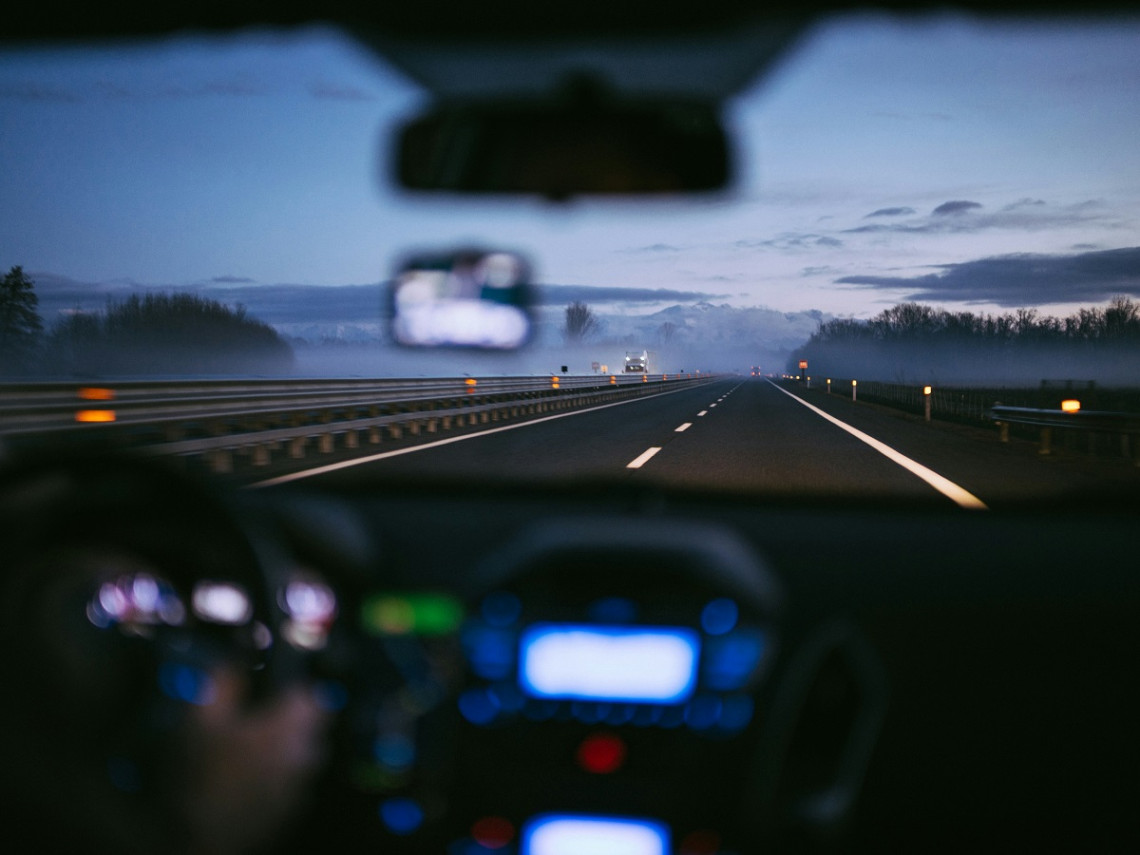
A Solo Road Trip Guide to Quiet, Scenic Drives in the U.S.
North Americans love taking road trips. In 2025, 83% of people drove to their summer vacation destinations instead of flying. While one reason was the appeal of controlling their own itinerary, another was rising airfares, which pushed more travelers toward cars.
Taking solo road trips is another noticeable trend here. Americans take up to five solo trips each year, many hoping to find roads that offer genuine peace. However, intent alone doesn’t make up for a memorable solo road trip.
Most scenic drives in the U.S. aren’t actually quiet anymore. The routes that promise solitude often deliver traffic jams, tour buses, and overlooks packed with people jostling for the same photo angle. What should feel restorative ends up feeling like another crowded experience to endure.
The good news is you don’t have to settle for crowded highways and tourist-packed viewpoints. We’re here to walk you through lesser-known scenic routes across the U.S. where silence and natural beauty still coexist. We will also share some practical tips to keep your solo drive as peaceful as you intended it to be.
5 Driving Routes in the U.S. That Are Perfect for Solo Road Travel
These routes balance visual beauty with genuine quiet, giving solo travelers room to breathe without fighting for space. Each offers something different beauty-wise, but all deliver the solitude that most crowded highways can’t.
- Blue Ridge Parkway: This 469-mile route winds through Appalachian highlands, offering forested ridges, seasonal wildflowers, and overlooks designed for leisurely driving without commercial traffic.
- Highway 12 through Utah’s Escalante: Red rock walls tower over this remote connector between Bryce Canyon and Capitol Reef, carving through desert wilderness that sees far fewer visitors than you’d expect.
- Oregon’s Cascade Lakes: Picture alpine lakes reflecting volcanic peaks, dense pine corridors, and a 66-mile loop that shuts down each winter, which naturally limits how crowded it gets come summer.
- Montana’s Beartooth Highway: Switchbacks here climb past 10,947 feet, taking you through tundra and glacial basins where the air thins and the landscape feels almost lunar in its isolation.
- California’s Highway 395 Eastern Sierra Route: Jagged peaks shoot up from the valley floor on this long eastern stretch, where hot springs and high desert quiet replace the typical California coastal chaos.
Tips to Make Your Solo Road Trip a Success
Planning helps, but so does knowing how to navigate the unpredictable parts of solo travel. These tips address the practical side of keeping your drive smooth, safe, and as close to your original vision as possible.
Stay Updated on Traffic and Road Conditions
Obviously, traffic is the last thing you would want on a quiet, scenic drive. It can build fast in popular road trip spots and raise the risk of serious accidents. In places like Colorado Springs, even scenic entrances are seeing delays due to drainage work near the Colorado Springs Park.
Traffic incidents don’t just slow you down, they can also lead to fatal accidents. Two people were killed when a truck and an SUV collided at the busy Marksheffel and North Carefree intersection after reports suggested one vehicle ran a red light.
It’s best to check local traffic news and road condition updates before heading out, especially near popular parks or tourist corridors where construction and accidents happen more frequently.
If you do end up in an unfortunate accident anyway, call 911 immediately to report what happened and get medical assistance on the way. Once you’ve stabilized yourself and ensured everyone’s safety, connect with a car accident lawyer in Colorado Springs right away.
According to Springs Law Group, they handle everything from crash investigation to litigation. A good lawyer can help you secure rightful monetary compensation for the injuries and damages you may have endured.
Pack Light but Don’t Skip the Essentials
Overpacking kills the simplicity that makes solo trips appealing in the first place. You don’t need three outfit options for every day or gear for scenarios that probably won’t happen.
Stick to basics like water, snacks, a first aid kit, a phone charger, and layers for temperature shifts. Keep a physical map as a backup, since cell service drops off quickly once you leave the main highways.
When driving alone, preparation becomes your quiet safety net. Having what you need within easy reach helps you stay confident, focused, and comfortable without relying on anyone else.
Prepare for Weather Changes
Weather can turn on you fast, and when you’re alone, there’s no one to help navigate or take over if conditions get dangerous. Mountain routes see sudden fog banks that cut visibility to nothing, and desert drives swing from scorching afternoons to near-freezing nights.
Recently, icy highways left dozens of drivers stranded across Mississippi as freezing temperatures created treacherous road conditions that persisted for days. Many travelers found themselves stuck without help, unable to move forward or turn back safely.
Check forecasts before leaving and monitor them throughout your drive, especially in areas known for rapid weather shifts. Keep blankets, extra water, flashlights, and non-perishable food in your car because getting stuck solo means relying entirely on what you brought with you and how well you prepared for the worst.
Plan Your Fuel Stops in Advance
Remote scenic routes don’t always come with convenient gas stations every few miles. Running low on fuel in the middle of nowhere can turn a peaceful drive into a stressful situation fast. Check your route beforehand and identify where stations are located, especially on stretches through national forests or desert highways.
Some routes have 100-plus-mile gaps between fuel stops, which sounds manageable until you factor in elevation changes that drain your tank faster than expected. Fill up whenever you see a station, even if your tank isn’t empty yet, because the next one might be farther than your range allows.
Take the Road Less Traveled (Literally)
Solo road trips work best when you stop chasing the same routes everyone else drives. The quiet you’re looking for is out there, but not on highways that show up in every top ten list or Instagram reel. It takes a bit more research to find roads that still deliver stunning views without the parking lot atmosphere, but the payoff is worth the extra planning.
Pack smart, stay flexible with weather and traffic, and don’t be afraid to take detours when something unexpected catches your attention.
The whole point of driving alone is having the freedom to make those calls without consulting anyone else. When you find that empty stretch of road where the only sound is your engine and the scenery actually lives up to the hype, you’ll understand why solo drivers keep coming back for more.
Tara Lets Anywhere features voices from all over the world — travelers, writers, expats, and local experts who write, often from their own firsthand experience. We believe great stories have no borders, and our global contributors bring those stories straight to you.


You May Also Like
Balon-Balon Falls: Discovering 3 Secret Waterfalls in Cavinti, Laguna

21 BEST Zambales Tourist Spots + Things to Do