

When You Can’t Get Home Before the Burial: What to Arrange From Abroad
The message lands while you’re at work or asleep on the other side of the world. By the time you open the family chat, the wake has a chapel, one cousin says the burial is Saturday, another says Sunday, and several people have sent the same flight you can’t take.
Most people will keep checking for a while. Perhaps another airline has a better connection, or work will approve leave after all. Sometimes the available flight still lands too late. The international leg may be possible while the domestic connection or road journey into the province is not. A route that looks manageable on a booking screen can still take most of a day.
Once you know you won’t make it, tell the immediate family. They’re already working with enough moving parts.
Find out what would help
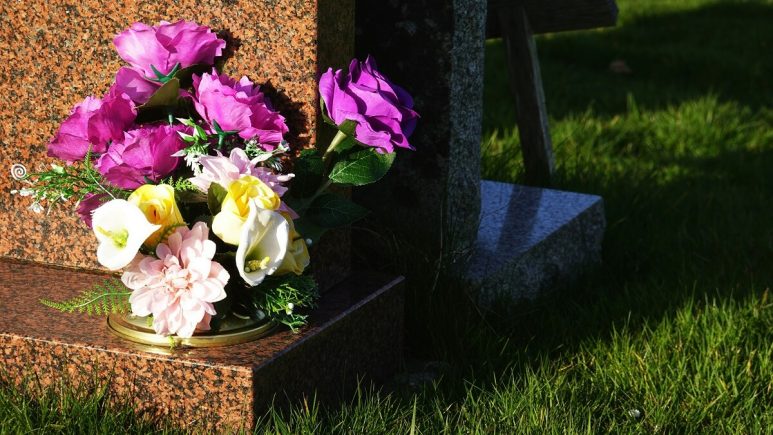
Being abroad creates an urge to send something because it is one thing you can still do. Check what’s needed first. The family may need help with food or chapel expenses, or they may prefer sympathy flowers delivered to the wake. They may also have plenty of all three.
The relative dealing with the chapel will have a better picture than the wider family chat. Ask that person what has been arranged and whether any practical job remains. Otherwise, it is quite possible for several overseas relatives to send dinner while nobody has collected an elderly aunt.
For a delivery, get the deceased’s full name, complete chapel address, exact branch, viewing-room number, suitable time and a local contact. Check that the wake will still be under way on the intended day. Metro Manila memorial companies can have several branches. A chapel name followed by “the one near the mall” leaves rather too much room for interpretation.
Get the schedule from one relative
Funeral arrangements rarely settle at once. The deceased may not yet have arrived at the chapel, visiting hours can change and the burial date may depend on relatives travelling from the province. Information that was correct in the morning can be out of date by dinner.
Choose one relative who is close to the immediate family and knows what is happening. You need the current wake hours, confirmed burial date and place, and the time of any prayers you might join remotely. Hourly updates aren’t necessary, particularly from somebody who has barely slept.
Wakes may be held at home or in a memorial chapel and can continue for several days. Catholic households may hold novena prayers, sometimes continuing after burial. Customs differ between religions, provinces and families. Years abroad can make familiar practices feel less automatic, and this household may do things differently anyway.
Sending money or food
Some families accept abuloy, a discreet contribution towards funeral expenses. It isn’t compulsory and there is no standard amount. Ask a close relative how the family is receiving money, then use a method they already know. This is hardly the moment to introduce somebody at the chapel to a new payment app.
Food can help when relatives are receiving visitors, answering calls and sorting out the burial. Ask before ordering. A fifth tray arriving after everyone has eaten is mainly another object that needs finding space for.
Once money or a delivery has been arranged, a simple confirmation from the local contact is enough. Avoid asking the family to compare several options, inspect screenshots or report each stage of the order. They have other things on.
Calling the wake
A phone or video call can bring you into the room for a few minutes. It still requires somebody at the chapel to step away from visitors, find a quiet corner and hold the phone. Agree on a time and ask who is likely to be free.
Condolences can be plain. “I’m sorry I can’t be there” followed by one honest memory of the deceased is enough. Conversation may then move towards work, children, flights or familiar family stories. Wakes lasting several days include ordinary talk alongside prayers and quieter moments.
Some families may include overseas relatives in prayers by video call or show them the viewing room. Keep the call private. Don’t record the casket, take screenshots or post anything without the immediate family’s permission. Children joining from abroad should know beforehand what they may see.
A cousin may mention stopping for pagpag after leaving the chapel. Some families still observe the custom and others don’t. It has little effect on someone joining from overseas, so there’s no need to turn it into a debate while relatives are heading home.
Visiting after the burial
A later trip may still be welcome. Close relatives sometimes appreciate company once the chapel has emptied, or they may need help with paperwork, the house or an older family member. Equally, they may want a quiet week. The family may also be meeting again for prayers. Ask before booking.
The family will no longer be gathered at the chapel, so establish whether you’re visiting the home, church or cemetery. If landing at NAIA, allow for immigration, baggage and Manila traffic before giving an arrival time. Travelling onwards to the province may add another flight or several hours by road.
Arrange your own transport and accommodation where possible. Choose a date that suits the household and let them decide where to meet. Turning up late is understandable. Turning up late with a fresh set of arrangements for the family to manage is pushing it.
Tara Lets Anywhere features voices from all over the world — travelers, writers, expats, and local experts who write, often from their own firsthand experience. We believe great stories have no borders, and our global contributors bring those stories straight to you.

You May Also Like

Edible History: How Istorya’s Isang Kusina Traced 400 Years of the Filipino-American Journey

6 Easy Ways to Incorporate More Potassium into Your Diet